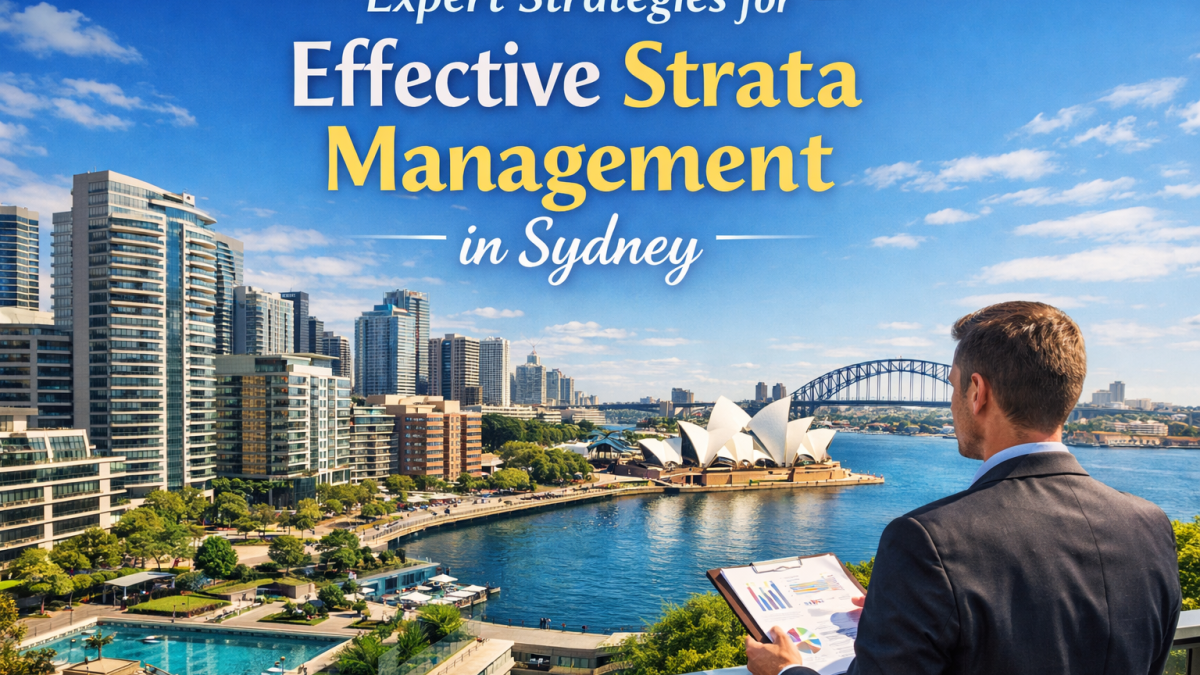
Effective strata management in Sydney is vital for the smooth operation of residential and commercial properties. Strata management involves overseeing the common areas, finances, and communal responsibilities of properties with multiple stakeholders, such as apartment complexes or business parks. Given Sydney’s dynamic property landscape, expert strategies that align with both legal requirements and community expectations are indispensable.
The Importance of Comprehensive Communication
Successful strata management hinges on effective communication. This involves ensuring all stakeholders are informed about major decisions, maintenance updates, and community rules. Regular meetings and transparent updates can help build trust and foster a cohesive community. Communication tools such as newsletters, emails, and digital platforms should be utilised to maintain this engagement consistently.
Financial Oversight and Transparency
Sound financial management is a cornerstone of effective strata operations. Budget planning, accounting transparency, and regular financial reporting ensure that all levy collections and expenditures are appropriately monitored. Employing professional financial services can aid in maintaining the financial health of the property and ensuring obligations are met on time.
Maintenance and Repairs
Timely maintenance and repairs are crucial to preserving property value and ensuring safety. Establishing a proactive maintenance schedule and conducting regular inspections can help identify issues before they escalate. Effective liaison with service providers and trades is vital to managing repairs efficiently within budget constraints.
Legal Compliance and Risk Management
Strata managers must ensure all operations comply with the pertinent legislation, including the Strata Schemes Management Act in New South Wales. Legal compliance extends to health and safety regulations, occupational health measures, and managing disputes amicably to prevent escalation. Engaging a legal expert in strata law can provide invaluable support.
Community Building and Conflict Resolution
Building a positive community atmosphere is essential for pleasant living conditions and neighbourly cooperation. Strata managers should facilitate community-building activities and resolve conflicts impartially. Effective mediation techniques and conflict resolution strategies should be employed to address and mitigate tensions promptly.
Optimising Insurance Coverage
Insurance is a critical aspect of risk management within strata complexes. Ensuring adequate and comprehensive coverage protects the community from potential liabilities and unforeseen disasters. Regular reviews of insurance policies can help determine whether the coverage is sufficient and competitive.
Embracing Technology
The integration of technology in strata management offers numerous benefits, including improved communication, efficient record-keeping, and enhanced financial management. Implementing management software can simplify operations, facilitate remote meetings, and streamline document storage.
Customising Services to Fit Unique Needs
No two strata complexes are identical; hence, management services should be tailored to address the specific requirements and challenges of each property. Customised management plans can result in more efficient operations and higher satisfaction among residents.
Continuous Training and Education
Remaining informed about industry developments, legal amendments, and management best practices is crucial for strata managers. Continuous professional development ensures that management tactics are both current and effective. Training can be achieved through workshops, seminars, and industry conferences.
Implementing Sustainable Practices
Adopting sustainable practices not only benefits the environment but also enhances the property’s appeal. Implementing energy-efficient solutions, waste management strategies, and green building initiatives can contribute to sustainability while potentially reducing costs in the long term.
Evaluating and Enhancing Services Regularly
Regularly reviewing and assessing the management services enables identification of areas requiring improvement. Feedback from residents can be invaluable in this process, ensuring that the management continues to meet or exceed expectations. Both quantitative and qualitative assessments should be applied in evaluations.
Cost Management and Efficiency
Efficient cost management can be achieved through strategic sourcing and negotiations with service providers. Prioritising essential services and seeking value-for-money options can also help balance quality with cost efficiency. Leveraging competitive bidding for service contracts is a beneficial tactic.
Taking a Proactive Approach
A proactive management style involves anticipating potential challenges and addressing them before they arise. This can lead to more efficient operations and a satisfied community. Identifying future needs and planning for long-term projects are part of this approach.
Building Strong Professional Relationships
Finally, strong relationships with stakeholders and service providers can significantly enhance the management process. Networking within the industry and participating in professional associations can help build valuable contacts and access external expertise when needed.