IP addressing
Classful vs. Classless IP Addressing: A Complete CCNA Guide
IP addressing is the foundation of every network. Every device — a laptop, a server, an IoT sensor — needs an IP address to send and receive data. But the way those addresses are organized has changed fundamentally since the early internet. The original system, classful addressing, divided the address space into rigid classes and...
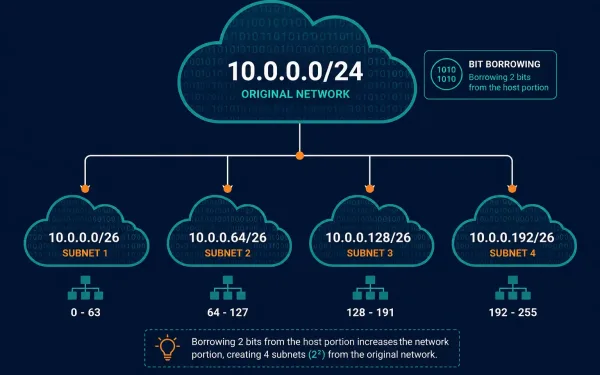
Introduction to Subnetting: How and Why to Divide a Network
Subnetting lets a network administrator divide a large network into smaller, more manageable sub-networks by borrowing bits from the host portion of an IP address. Rather than running one enormous flat network, subnetting adds a third level to the addressing hierarchy, network, subnetwork, and host, giving administrators far more control over how a network actually...
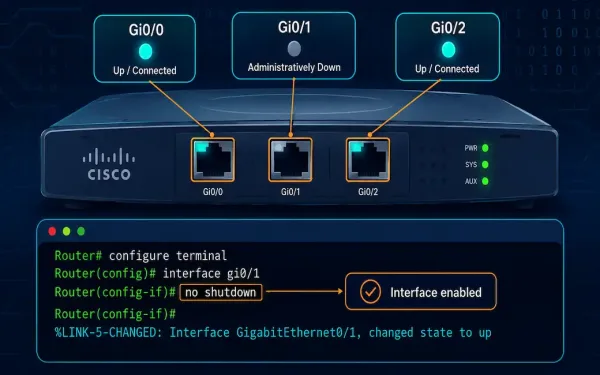
Cisco Router Interface Configuration: A Complete CLI Guide
Last updated: October 2026 — corrected for technical accuracy and modernized for current best practice. Configuring router interfaces correctly is one of the first real skills a CCNA candidate needs, and it’s also one of the easiest places to make a small mistake that causes a confusing failure later. This guide walks through interface types,...