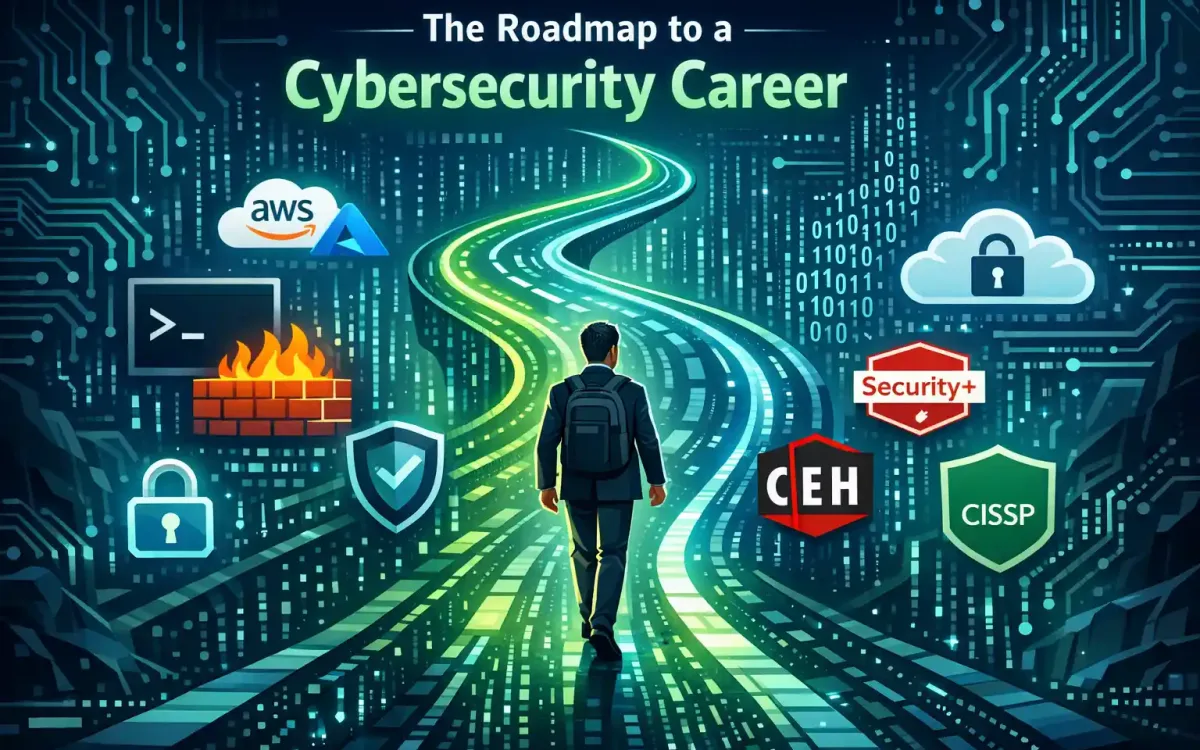
Cybersecurity is one of the fastest-growing and most in-demand fields in today’s technology industry. As organizations continue to expand their digital presence, the need for qualified cybersecurity professionals is steadily increasing.
According to recent reports, the global cybersecurity talent gap continues to grow each year, indicating that those pursuing a career in this field have strong opportunities ahead across industries such as finance, healthcare, government, and cloud technology.
If you are considering a career in cybersecurity, it is important to understand the overall roadmap, including the skills you need, the certifications to consider, and the costs involved in the process.
Key Skills You Need
To become a specialist in cybersecurity, you first need to build a strong foundation in essential technical skills. While many beginners are initially drawn to hacking tools, successful professionals focus on understanding the systems they are responsible for protecting.
Networking is one of the most important areas to master. Understanding how data flows through a network, how protocols like TCP/IP function, and how firewalls and routers operate is essential for recognizing both vulnerabilities and defense mechanisms.
Linux knowledge is also highly valuable, as many cybersecurity tools and environments are based on Linux systems. Being comfortable with the command line and system navigation can significantly improve your efficiency.
In addition, cybersecurity professionals must understand key security concepts such as threat detection, vulnerability scanning, incident response, monitoring, and the tools used in Security Operations Centers (SOC).
Finally, basic scripting skills—especially in Python—can help automate tasks and improve your ability to analyze and manage security data.
Cybersecurity Career Paths
Cybersecurity offers a variety of career paths, allowing individuals to choose roles that match their interests and strengths.
Some professionals focus on defensive security, where they monitor systems, analyze potential threats, and respond to suspicious activity. These roles require strong analytical thinking and attention to detail.
Others pursue offensive security roles, often referred to as ethical hacking or penetration testing. In these positions, professionals simulate attacks to identify weaknesses in systems before malicious actors can exploit them.
Another growing area is cloud security. As organizations increasingly rely on platforms such as Amazon Web Services, Microsoft Azure, and Google Cloud, the demand for specialists who can secure cloud environments continues to rise.
Ultimately, choosing a path depends on whether you prefer defensive work, offensive testing, or securing modern cloud infrastructure.
Cost of Learning Cybersecurity
Many beginners are concerned about the cost of entering the cybersecurity field. The total investment can vary depending on the learning path you choose.
Some individuals rely on free tutorials and practice labs, while others invest in structured training programs, certification courses, and bootcamps. A single certification exam can cost anywhere from a few hundred to over a thousand dollars.
Because of these expenses, many learners explore ways to manage their education costs more effectively. For those who want access to high-quality training programs without delaying their progress, options like student loans with low interest rates can make it easier to invest in certifications, labs, and structured courses while spreading the financial burden over time.
Top Certifications to Consider
Certifications play an important role in helping candidates stand out in the cybersecurity job market. They demonstrate your knowledge and show that you meet industry-recognized standards.
For beginners, CompTIA Security+ is a common starting point because it covers fundamental concepts and does not require extensive prior experience.
After gaining some hands-on experience, many professionals pursue certifications like Certified Ethical Hacker (CEH), which focuses on offensive security techniques.
More advanced professionals often aim for CISSP, a highly respected certification typically associated with senior and leadership roles.
Another widely recognized certification is OSCP, particularly valued in penetration testing due to its practical, hands-on approach.
While certifications are not the only path into cybersecurity, they can significantly improve your job prospects when combined with real-world experience.
Free Resources vs Paid Resources
Cybersecurity is one of the few fields in the tech industry where both free and paid learning resources can lead to success.
Free resources such as YouTube tutorials, blogs, documentation, and community platforms allow beginners to build foundational knowledge without financial investment. Platforms like TryHackMe and Hack The Box also provide practical environments for hands-on learning.
Paid resources, on the other hand, offer structured programs, guided labs, mentorship, and certification preparation. This structured approach can help learners progress faster and more efficiently.
In practice, the most effective learners combine both approaches—using free resources to understand the basics and paid resources to deepen their practical skills.
Conclusion
Cybersecurity is one of the few fields in the tech industry where both free and paid learning resources can lead to success.
Free resources such as YouTube tutorials, blogs, documentation, and community platforms allow beginners to build foundational knowledge without financial investment. Platforms like TryHackMe and Hack The Box also provide practical environments for hands-on learning.
Paid resources, on the other hand, offer structured programs, guided labs, mentorship, and certification preparation. This structured approach can help learners progress faster and more efficiently.
In practice, the most effective learners combine both approaches—using free resources to understand the basics and paid resources to deepen their practical skills.