If your home or office depends on smart lighting, Wi-Fi, security cameras, energy monitoring, or automated controls, you have a hidden risk: voltage surges can quietly damage sensitive electronics long before you notice a failure. That creates three common headaches for you: confusing choices when you try to “add surge protection,” worry about electrical safety and reliability, and costly downtime or replacement when always-on devices stop working at the worst time.
The good news is that surge protection is easier to understand than it sounds, and you can make better decisions once you know where protection belongs in your power distribution. In practice, choosing the right surge protective device is less about jargon and more about matching your building’s setup and risk.
Understanding Voltage Surges in Buildings
Transient Overvoltage and Lightning-Related Disturbances
A surge is a brief, higher-than-normal voltage spike. It can come from nearby lightning activity, utility switching, or large loads turning on and off inside a building, such as elevators, HVAC compressors, pumps, and industrial automation equipment. Even if the lights do not flicker, the spike can stress power supplies, network gear, smart controllers, and connected appliances.
In smart spaces, the impact is often indirect. A single event may not “blow” a device immediately, but repeated surges can shorten the life of power supplies and circuit boards. That is why surge protection is part of a reliability plan, not just an emergency fix after something fails.
Where Protection Fits in Distribution
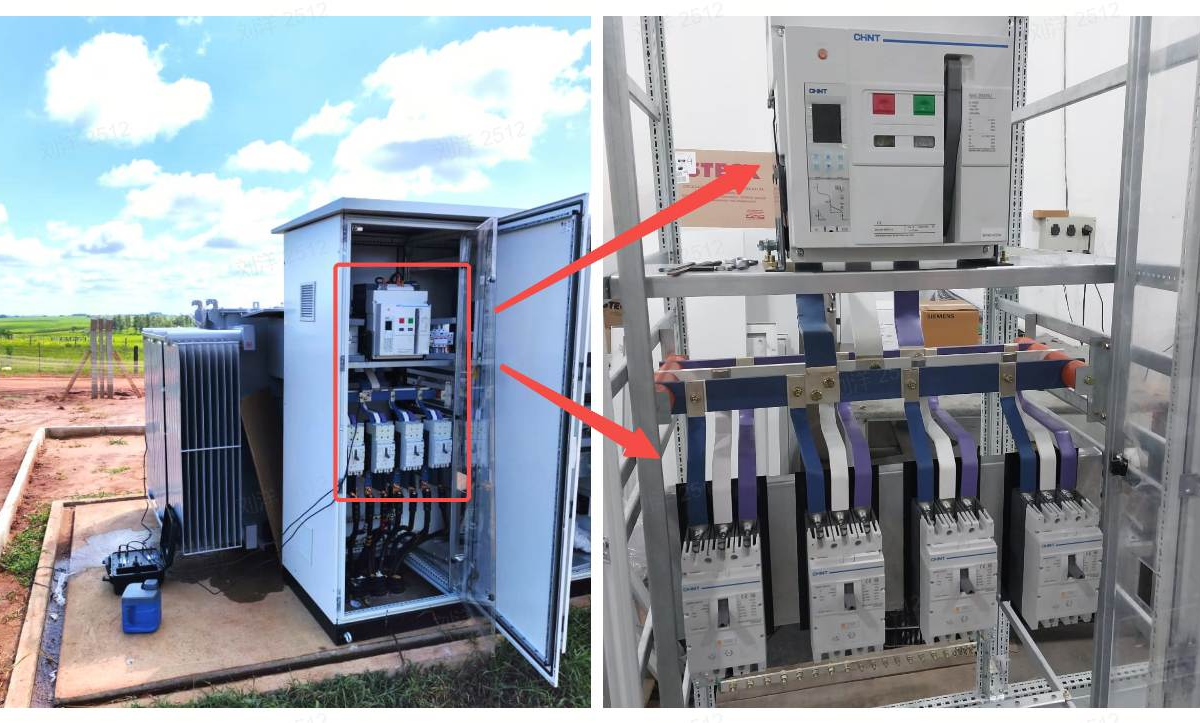
Surge protection works best when you think in terms of your electrical path. Power comes from the utility or generator, passes through the main switchboard or panel, then flows to subpanels, branch circuits, and finally to equipment. A surge protective device is commonly installed in parallel within a distribution board or switchgear to divert surge energy away from your loads and into the grounding system during a spike.
For many homes, the most effective starting point is protection at the main panel, where incoming surges first enter your wiring. In offices, multi-tenant buildings, and facilities with more complex low-voltage electrical layouts, you often benefit from protection at the main distribution and key sub-distribution points that feed critical loads, such as server rooms, building automation, security, and access control.
Core Terms and Standards
Type Classifications Explained
You will often see Type 1, Type 2, or a combined Type 1+2 classification. The practical meaning for you is “where it is intended to be used.” Type 1 devices are commonly associated with service entrance or upstream locations where higher-energy events are more likely to occur. Type 2 devices are typically used downstream in distribution panels. A combined Type 1+2 unit is designed to cover both use cases in a coordinated way, depending on your installation plan and the rest of your protective components.
Common Surge Protection Standards
Standards matter because they define how devices are tested and how ratings are measured. For many markets, IEC/EN 61643-11 is a widely referenced standard for surge protective devices connected to AC low-voltage power systems. When you see a clear reference to a recognized standard, it helps you compare products using the same testing framework instead of relying on vague performance claims.
Compliance Marks and Documents
For a non-technical buyer, your best shortcut is documentation. Look for clear product identification, stated standards, and supporting documents such as declarations of conformity or test reports. Also, look for recognized compliance marks that apply in your region. These signals do not replace good design or correct installation, but they reduce the chance that you are buying an unverified device that does not match the performance you expect.
Integrating Surge Protection in Setups
Mounting and Space Planning
Surge protection lives in your distribution environment, so practical fit matters. When you or your electrician plans an upgrade, consider how much DIN-rail space is available, whether the device layout supports tidy wiring, and how easy it will be to access indicators or modules later. In crowded panels, poor placement can force long conductor runs, thereby reducing protection effectiveness. Planning for space up front can also prevent unsafe modifications or cramped wiring that complicates future maintenance.
Single- and Three-Phase Voltages
Your surge protection should match your power system. Most homes use single-phase service, while many offices and commercial sites use three-phase distribution for better load sharing and efficiency. When you read a datasheet, check that the rated operating voltage and configuration align with your panel and how your circuits are arranged. If you are unsure, read the panel labeling or have a qualified professional confirm your service type before you choose equipment.
Wiring, Grounding, and Coordination
This is where results are won or lost. Surge energy must go somewhere, and the grounding path is that “somewhere.” If grounding and bonding are weak, even a good device cannot perform as intended. Your electrician should keep connection conductors short and direct, and ensure proper bonding and grounding continuity.
Coordination also matters. Many installations include upstream protective components, such as fuses or circuit breakers, sized and selected so that a surge protection installation remains safe and serviceable. If you are upgrading an older panel, you may also need to confirm that the switchgear, breakers, and grounding system meet today’s electrical safety expectations.
Performance Concepts Without Heavy Math
Waveform Labels for Surges
You may see waveform labels like 8/20 μs or 10/350 μs. You do not need to do math to use them. Think of them as standardized “test shapes” for surge current that help you compare how devices are evaluated. In simple terms, they describe how fast the surge rises and how long it lasts during testing.
Discharge Capacity in Plain Terms
You will also see discharge current ratings, often written as In (nominal) and Imax (maximum), among other parameters. These ratings tell you how much surge current a device is designed to handle under defined test conditions. Higher ratings can be useful in higher-exposure locations, but “bigger” is not automatically “better” for every building. The best choice depends on where you install it, the type of electrical service, the quality of the grounding, and the criticality of the loads you want to protect.
Match Ratings to Your System
A practical strategy is to align your protection level with your risk. If you have rooftop equipment, long cable runs, a high density of automation components, or frequent switching loads, you may want a more robust approach at the main distribution. If you run sensitive loads such as network switches, access control systems, or building energy management devices, consider additional downstream protection closer to those circuits. Coordinated, staged protection can reduce the stress on end equipment throughout your power distribution network.
Reliability and Upkeep for Smart Spaces
Status Indicators and Signaling
In a smart home or office, you want to know when protection is healthy without having to guess. Many panel-mounted devices include a visual status indicator that shows normal operation or a fault condition. Some options also support remote signaling contacts so that you can tie status to a building management system or an alarm panel. This can be especially helpful in offices where you cannot afford surprises during business hours.
If you are evaluating options, a global electrical solutions provider like CHINT describes a Type 1+2 low-voltage product built to IEC/EN 61643-11 with plug-in modules, a visual fault indicator, aging and overheating protection, and optional remote alarm signaling. If you want an example of how these features are presented for distribution environments, see this surge protective device page.
Replaceable Modules and Serviceability
Serviceability is a real cost factor for you. In always-on spaces, you want a design that supports safe inspection and predictable replacement. Replaceable modules can reduce downtime because a qualified professional can restore protection faster without swapping the entire base assembly. When you plan for this in advance, you also reduce the temptation to delay maintenance, which is how small electrical risks can turn into expensive failures later.
Operating Conditions and Self-Protection
Electrical panels run warm, and utility conditions are not perfectly steady. Check operating temperature ranges and look for built-in self-protection features that reduce risk during abnormal conditions. If your setup includes renewable energy integration, backup power, EV charging, or industrial automation, it is even more important to confirm that your protection approach fits your real operating environment, not an idealized one.
| Checkpoint | What You Check | What You Do Next |
| Visual status indicator | Normal vs fault indication | Replace the module or device per instructions |
| Panel wiring | Loose terminations, heat discoloration | Have a qualified electrician correct issues |
| Grounding and bonding | Loose or corroded connections | Verify continuity and bonding integrity |
| Remote signaling (if used) | Alarm or status change | Investigate and service promptly |
| Environment | Heat, moisture, dust buildup | Improve ventilation or enclosure protection |
Conclusion
Surges are a normal part of modern electrical life, especially in smart homes and offices filled with connected electronics. You can reduce failures and improve electrical safety by understanding where surges come from, choosing equipment tested to recognized standards, and ensuring that installation details, such as grounding, wiring length, and coordination with circuit protection, are handled correctly. Start by reviewing your main distribution and the circuits that power your critical loads. Then talk with a qualified professional about the right placement and ratings for a surge protective device that fits your power distribution system and your risk level.
FAQs
What causes voltage surges in smart homes and offices?
Voltage surges are brief spikes in electrical voltage from external sources like lightning or utility switching, or internal ones such as elevators, HVAC systems, or heavy pumps starting/stopping. In smart setups, these surges stress power supplies and circuits over time, leading to gradual device degradation rather than instant failure. Proactive protection diverts this energy safely to grounding, reducing downtime and costly replacements for always-on devices like Wi-Fi, cameras, and automation controls.
What are the different types of surge protective devices?
Surge protective devices come in Type 1 for service entrances handling high-energy events like direct lightning, Type 2 for downstream panels protecting against indirect surges, and Type 1+2 for combined use in various locations. They must comply with standards like IEC/EN 61643-11 for verified performance. Choose based on your building’s risk level—robust upstream for exposure, additional downstream for sensitive loads—to ensure coordinated defense without math-heavy calculations.
How should surge protection be installed in electrical systems?
Install surge protectors in parallel within distribution boards or panels, starting at the main panel for homes and adding at sub-distribution for offices’ critical loads. Use short conductors, proper grounding, and bond continuity for effectiveness. Match single- or three-phase voltages, coordinate with fuses/breakers, and plan DIN-rail space for tidy wiring. Always consult qualified electricians to verify safety, avoid long paths that reduce protection, and integrate with building management.
What maintenance is required for surge protectors in smart spaces?
Monitor status indicators (visual or remote signaling) integrated with smart systems for health checks. Use replaceable modules for quick swaps to minimize downtime. Regularly inspect wiring, grounding, environmental conditions, and self-protection features. Align with risks like renewables or EV charging. This ensures reliability in always-on environments, preventing failures from repeated surges and supporting proactive upkeep without disrupting automation or security.
Why is surge protection essential for modern buildings?
In smart homes and offices, surges from inevitable sources threaten connected electronics, causing stress and failures over time. Protection enhances safety, reduces replacements, and improves reliability by diverting energy at key points. It fits seamlessly into power distribution, complies with standards, and includes features like indicators for easy monitoring. Without it, downtime and costs rise—making it a must for protecting investments in automation and critical systems.