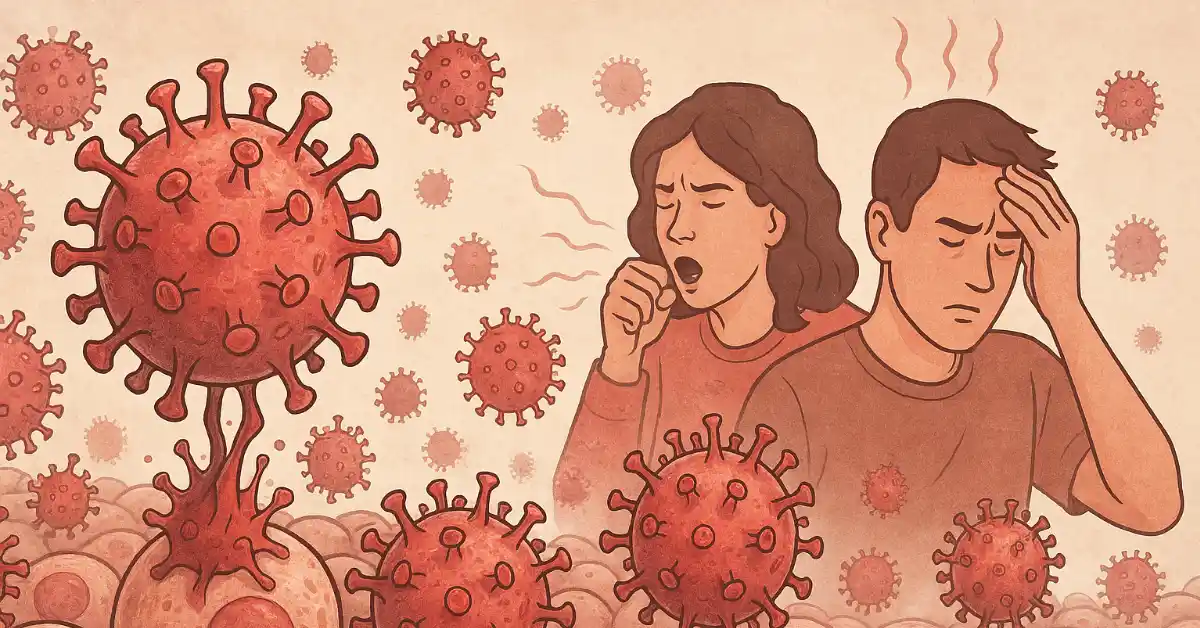
A virus is a microorganism that enters living cells, replicates, and survives. When a virus enters the body and attacks the cells, it causes a viral infection.
Your body can usually fight off a viral infection if you have a strong immune system. Because your body frequently retains a “memory” of this virus, you will be immune to it in the future. Because some viruses cannot be killed by the immune system, they remain in the body for an extended period of time, causing symptoms to recur for years.
Antibiotics have no effect on viral infections, unlike bacterial infections. Antiviral medications can be prescribed, but they will not cure a viral infection; rather, they will help control the virus and reduce the severity of symptoms.
Virus exposure causes a viral infection. Viruses infect their hosts by invading their normal cells and then multiplying and producing other viruses that are similar to themselves.
In 2026, viral infections remain a major global health concern, with common examples including the common cold, influenza, COVID-19, respiratory syncytial virus (RSV), herpes, and hepatitis. According to the World Health Organization (WHO), viral infections account for billions of illnesses annually, with respiratory viruses alone causing over 4 million deaths each year. Recent advances in genomics have allowed scientists to better understand viral mutations, leading to improved surveillance systems like wastewater monitoring, which tracks virus circulation in communities before outbreaks peak.
Types of Viral Infections
To provide a comprehensive overview, it’s essential to categorize viral infections based on the body systems they affect. Respiratory viral infections, such as those caused by rhinoviruses (common cold), influenza viruses, or coronaviruses like SARS-CoV-2, primarily target the lungs and airways. Gastrointestinal viruses, including norovirus and rotavirus, lead to stomach flu with symptoms like vomiting and diarrhea. Skin-related viruses, such as varicella-zoster (chickenpox) or human papillomavirus (HPV), cause rashes or warts.
Other types include systemic infections like HIV, which weakens the immune system over time, or hepatitis viruses (A, B, C) that damage the liver. Emerging viral threats in 2025-2026 include avian influenza strains with potential for human transmission, as reported by the CDC, highlighting the need for ongoing vigilance. Understanding these types helps in tailoring prevention strategies, as each virus has unique transmission modes and vulnerabilities.
How did the viral infection start?
The first case of viral infection was reported on December 1, 2019, and the cause was a newly discovered viral infection later named “Virus.” The virus could have originated in an animal and then changed (mutated) to cause illness in humans. Several infectious disease outbreaks in the past have been linked to viruses that originated in birds, pigs, bats, and other animals and mutated to become dangerous to humans. More research is needed to understand how and why the viral infection evolved into a pandemic disease.
By 2026, zoonotic origins remain a key focus, with over 75% of emerging infectious diseases linked to animal-to-human jumps, per CDC data. For instance, the COVID-19 pandemic, caused by SARS-CoV-2, originated in Wuhan, China, likely from bats via an intermediate host. Similar patterns are seen in historical outbreaks like Ebola (from bats) or MERS (from camels). Recent studies emphasize climate change and habitat loss as drivers increasing human-wildlife contact, potentially sparking new pandemics. Global efforts, including the WHO’s One Health initiative, aim to monitor and prevent such spillovers through enhanced wildlife surveillance and early warning systems.
What is the incubation period for a viral infection?
Symptoms appear in people two to 14 days after being exposed to the virus. A person infected with the viral infection is contagious to others for up to two days before symptoms appear and for 10 to 20 days after symptoms appear, depending on their immune system and the severity of their illness.
Incubation periods vary by virus: For influenza, it’s 1-4 days; for COVID-19 variants in 2026, like NB.1.8.1, it’s shortened to 3-5 days due to mutations enhancing transmissibility, according to Johns Hopkins data. RSV typically incubates in 4-6 days, while HIV can take weeks to months. Factors like age, vaccination status, and viral load influence this window, making contact tracing challenging in outbreaks.
What are the symptoms of a viral infection?
Fever, tiredness, and a dry cough are the most common symptoms of a viral infection. Aches and pains, nasal congestion, a runny nose, a sore throat, or diarrhea may occur in some patients. Typically, these symptoms are mild and appear gradually. Some people become infected but do not show any symptoms or feel ill. The majority of people (around 80%) recover from the disease without any special treatment.
One in every six people who contract a viral infection becomes seriously ill and has difficulty breathing. People over the age of 65, as well as those with underlying medical conditions such as high blood pressure, heart disease, or diabetes, are more likely to develop serious illnesses. People who have a fever, a cough, or are having difficulty breathing should seek medical attention.
Viral infection symptoms include:
- Cough
- Fever or chills
- Shortness of breath or difficulty breathing
- Muscle or body aches
- Sore throat
- New loss of taste or smell
- Diarrhea
- Headache
- New fatigue
- Nausea or vomiting
- Congestion or runny nose
Some people infected with the viral infection have mild symptoms, while others have no symptoms at all. However, viral infection can cause respiratory failure, long-term lung and heart muscle damage, nervous system issues, kidney failure, and death in some cases.
If you have a fever or any of the symptoms listed above, call your doctor or a health care provider and explain your symptoms over the phone before going to the doctor’s office, urgent care facility, or emergency room. If you’re feeling sick and think you might have a viral infection, try the following remedies:
In 2026, symptoms overlap across viruses, complicating diagnosis. For example, COVID-19 now includes more gastrointestinal issues in new variants, per KFF tracker. Long COVID, affecting 10-20% of cases, adds persistent fatigue, brain fog, and joint pain lasting months or years, as detailed in recent Nature studies. Post-viral syndromes from other infections, like chronic fatigue after EBV (mononucleosis), share similarities, emphasizing the need for holistic symptom management.
Long-Term Effects and Post-Viral Syndromes
A significant update in understanding viral infections is the recognition of long-term effects. Long COVID, or post-acute sequelae of SARS-CoV-2 infection, involves symptoms persisting beyond 4 weeks, including cardiovascular issues and neurological problems. Recent research from Yale Medicine indicates symptoms evolve over 15 months, with some improving while others worsen. Similar syndromes follow other viruses, such as myalgic encephalomyelitis/chronic fatigue syndrome (ME/CFS) after flu or EBV. In 2025, Germany committed €500 million to research these conditions, focusing on biomarkers and treatments like antivirals or immunomodulators. Awareness of these effects underscores the importance of early intervention and vaccination to reduce severity.
How it spreads?
In close communities, viral infections spread from person to person.
People who have a viral infection expel tiny droplets containing the virus when they breathe out or cough. These droplets can enter the mouth or nose of someone who does not have the virus, causing an infection.
Close contact with someone who is infected is the most common way for this illness to spread. “Close contact” is defined as being within six feet.
When a person’s symptoms are at their worst, the disease is most contagious.
It is possible for someone who does not have symptoms to spread the virus. According to a new study, 10% of infections are caused by people who have no symptoms.
Droplets of virus can also land on nearby surfaces or objects. Other people can become infected by touching these surfaces or objects. If the person then touches their nose, eyes, or mouth, they are likely to become infected.
It is important to note that viral infection is a relatively new phenomenon, and research is still ongoing. There may be additional ways for the new viral infection to spread.
Transmission modes extend to aerosols in poorly ventilated spaces, as confirmed by CDC for respiratory viruses. In 2026, with hybrid work and travel resuming, superspreader events remain a risk. Fecal-oral routes spread gastrointestinal viruses, while blood-borne like HIV transmit via needles or sex. Preventive measures like ventilation and hygiene reduce R_t (reproduction number), with current U.S. COVID R_t around 1.0-1.2 per CDC estimates.
How is a viral infection diagnosed?
A test is used to diagnose viral infections. Many signs and symptoms of viral infections can be caused by other illnesses, making diagnosis by physical examination difficult. Some people with the viral infection have no symptoms.
Modern diagnostics include rapid antigen tests, PCR for accuracy, and at-home kits for convenience. For COVID-19, wastewater surveillance aids community-level detection. Blood tests detect antibodies for chronic viruses like hepatitis, while imaging (e.g., CT scans) assesses complications like pneumonia.
How is a viral infection treated?
The severity of the infection determines the treatment for viral infections. Resting at home and taking fever-reducing medication is often enough for milder illnesses. More severe cases may necessitate hospitalization, with treatment ranging from intravenous medications to supplemental oxygen, assisted ventilation, and other supportive measures. Paxista and Paxzen are both used to treat viral infections, and you can easily buy Paxzen and Paxista online.
Advances in 2025-2026 include broader antivirals: Oseltamivir for flu, remdesivir for COVID, and new drugs like ensitrelvir targeting multiple coronaviruses. For RSV, nirsevimab provides passive immunity in infants. Supportive care emphasizes hydration, pain relief, and monitoring for secondary bacterial infections. Emerging therapies, like monoclonal antibodies, offer targeted relief for high-risk groups.
How do you protect yourself from this?
The CDC recommends several medicines for viral infections. It’s also critical to get a booster when you’re eligible.
It also helps to follow other safety precautions, such as testing guidelines, wearing a mask, washing your hands, and practicing physical distance.
Vaccination remains the cornerstone: 2025-2026 flu vaccines are trivalent, protecting against H1N1, H3N2, and B strains, per AAP recommendations. COVID boosters target recent variants, reducing severe illness by 50-70%. Other vaccines include HPV for cancer prevention and shingles for older adults. Lifestyle factors—healthy diet, exercise, sleep—bolster immunity. Global strategies include travel screenings and rapid response to outbreaks.
Emerging Threats and Future Outlook
As of 2026, emerging viruses like H5N1 bird flu pose risks, with sporadic human cases reported. Climate change exacerbates spread by altering vector patterns (e.g., dengue via mosquitoes). AI-driven predictive models, like those from the CDC’s CFA, forecast trends using R_t data. Future prevention may involve universal vaccines targeting viral families, currently in trials.
Conclusion
Viral infections, from common colds to pandemics like COVID-19, continue to challenge global health in 2026. Understanding symptoms, causes, and prevention empowers individuals to protect themselves and communities. With updated vaccines, advanced treatments, and vigilant surveillance, we can mitigate risks and reduce long-term impacts. Stay informed through reliable sources like the CDC and WHO, and consult healthcare professionals for personalized advice to ensure optimal health outcomes.
FAQs
What causes viral infections?
Viral infections are caused by viruses invading host cells to replicate. Common triggers include exposure through droplets, contaminated surfaces, or close contact. Factors like weakened immunity from stress or illness increase susceptibility, while zoonotic spills from animals spark new outbreaks like COVID-19. Prevention focuses on hygiene and vaccination.
How can I differentiate viral from bacterial infections?
Viral infections often cause mild, gradual symptoms like fever and cough, without pus or high white blood cell counts seen in bacterial ones. Antibiotics don’t work on viruses; tests like PCR confirm. Bacterial infections may respond to antibiotics, but overuse leads to resistance. Consult a doctor for accurate diagnosis.
What are the latest treatments for COVID-19 in 2026?
Treatments include antivirals like remdesivir for severe cases and Paxlovid for early intervention. Boosters target variants like NB.1.8.1, reducing hospitalization by 60%. Supportive care involves oxygen and anti-inflammatories. Long COVID management uses rehab and symptom-specific drugs; always seek medical advice promptly.
How effective are vaccines against viral infections?
Vaccines like those for flu, COVID, and HPV prevent severe illness in 70-90% of cases by building immunity. 2026 formulations are updated for variants, with trivalent flu shots covering key strains. They reduce transmission and long-term effects; boosters are crucial for at-risk groups to maintain protection.
What is long COVID and how is it managed?
Long COVID involves persistent symptoms like fatigue and brain fog post-infection, affecting 10-20% of cases for months. Management includes rest, physical therapy, and medications for symptoms. Recent 2025 research focuses on biomarkers; prevention via vaccination lowers risk. Track symptoms and consult specialists.
Disclaimer: This article is for informational purposes only and does not constitute medical advice, diagnosis, or treatment. Always consult a qualified healthcare professional for personalized guidance on viral infections or any health concerns. The information is based on general knowledge and may not apply to individual cases. The author and publisher are not responsible for any actions taken based on the information provided in this content.