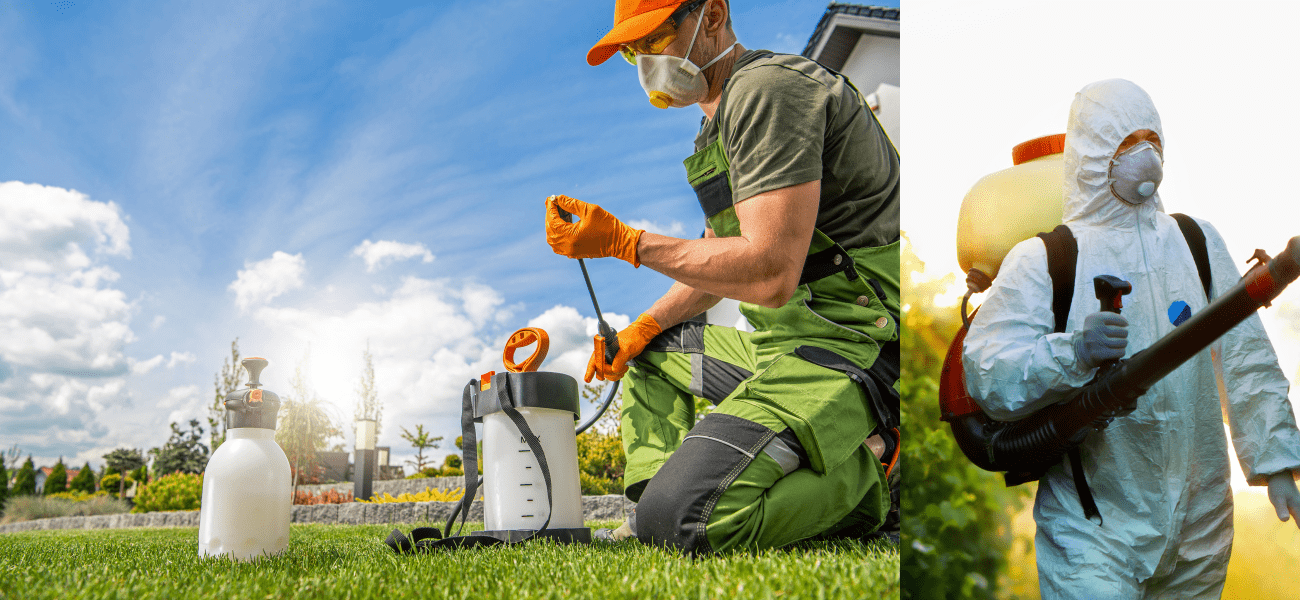
Gardens and outdoor spaces are an essential part of any property, providing a place to relax and enjoy the beauty of nature. However, pests such as insects, rodents, and other animals can quickly turn your dream garden into a nightmare. In this blog post, we will explore 7 tips for effective pest control for gardens and outdoor spaces. Whether you have a small patio or a sprawling lawn, these tips will help you keep your outdoor spaces pest-free and enjoyable for years to come. So, let’s get started!
As we enter 2026, pest pressures in gardens have intensified due to climate change, which extends breeding seasons and introduces invasive species. Recent data shows pest-related losses rising 10-25% in many regions, while the global pest control market surges toward $44 billion by 2034 at a 5.4% CAGR. Home gardeners now prioritize sustainable solutions: over 75% choose eco-friendly options, and Integrated Pest Management (IPM) reduces chemical use by up to 70%. This updated guide blends timeless tips with 2026 advancements like biopesticides, smart monitoring apps, and biological controls to deliver long-term results.
7 Tips For Pest Control For Gardens And Outdoor Spaces
For gardens and outdoor spaces, you can follow the 7 tips below:
Tip #1: Regular maintenance
Regular maintenance of your garden and outdoor spaces is crucial in preventing pests from setting in. Make sure to clean up any fallen leaves and debris, trim any overgrown plants, and dispose of any dead vegetation. By keeping your outdoor spaces clean, you reduce the hiding spots and food sources for pests. Tools like battery-powered grass trimmers make edging and cutting back tall grass or weeds effortless and quiet, helping maintain tidy borders around beds, fences, and pathways without emissions—ideal for sustainable 2026 gardening.
In 2026, experts emphasize that consistent maintenance alone can cut infestation risks by 50% or more. Use mulching techniques that discourage soil-dwelling pests while retaining moisture. Apps with AI-powered reminders now help track debris buildup and weather-linked pest alerts. Combine this with proper composting—away from garden beds—to eliminate breeding grounds for flies and rodents. For lawns, aerate regularly to disrupt grub habitats, aligning with IPM principles recommended by the EPA.
Tip #2: Proper storage of garden tools and supplies
Improper storage of garden tools and supplies can attract pests and provide them with a comfortable home. Ensure that all garden tools and supplies are stored properly and in a dry place to prevent pests from taking over.
Sealed plastic bins with silica packets prevent moisture that draws silverfish and ants. Elevated shelving in sheds keeps rodents at bay. Many gardeners now use pest-proof storage containers with tight seals, reducing issues by 40% according to recent extension service reports. Label and rotate supplies to avoid spills that become food sources. This simple habit supports broader IPM strategies and pairs well with outdoor organization trends.
Tip #3: Use pest-resistant plants
Plants that are resistant to pests are a great way to keep pests away from your outdoor spaces. Some examples of pest-resistant plants include marigolds, chrysanthemums, and lavender. Incorporate more resilient varieties like garlic, chives, and nasturtiums for natural barriers. Companion planting data shows marigolds repel nematodes while lavender deters moths. New hybrid cultivars bred for climate resilience resist aphids and beetles even in warmer zones. Plant in borders or intersperse throughout beds for maximum coverage. Over 40% of sustainable gardeners now rely on these biological defenses as primary IPM tools.
Tip #4: Natural pest control methods
Natural pest control methods are a safe and effective way to keep pests out of your garden and outdoor spaces. Some methods include companion planting (planting certain plants together to repel pests), using essential oils, and planting herbs such as mint and rosemary.
Neem oil sprays, diatomaceous earth barriers, and beneficial insects like ladybugs or predatory nematodes (commercially available and highly effective). Essential oils from peppermint or eucalyptus create repellents safe for pets. Studies confirm biological controls reduce pesticide needs dramatically. Release lacewings for aphid control or use Bt (Bacillus thuringiensis) for caterpillars—targeted and residue-free. Companion planting charts updated for regional climates make implementation easy for beginners.
Tip #5: Regular inspection
Regular inspections of your garden and outdoor spaces are crucial in detecting pests early on. Make sure to check for any signs of pests such as holes in leaves, droppings, or nests. By catching pests early, you can quickly take action to prevent a full-blown infestation.
Modern 2026 inspections leverage smartphone apps with image recognition for instant pest ID. Check undersides of leaves weekly during peak seasons. Look for sticky honeydew (aphids) or webbing (spider mites). Early detection via traps or monitoring stations prevents 80% of outbreaks per extension data. Combine with weather tracking—warmer winters mean earlier activity. Document findings in a garden journal for pattern recognition.
Tip #6: Chemical pest control methods
In some cases, chemical pest control methods may be necessary to effectively get rid of pests in your garden and outdoor spaces. Make sure to choose chemicals that are safe for plants and wildlife, and follow all instructions carefully.
For 2026, regulations favor low-toxicity options like targeted biopesticides over broad-spectrum synthetics. Always follow label rates and rotate modes of action to prevent resistance. Select products approved for residential use with minimal environmental runoff. Many now integrate with IPM—applying chemicals only as a last resort after cultural and biological steps fail. Local extension services provide 2026-approved lists tailored to your zone.
Tip #7: Professional pest control services
If you have tried everything and still can’t get rid of pests in your garden and outdoor spaces, consider contacting a professional pest control service. They have the knowledge and experience to effectively get rid of pests and keep them from coming back.
Professionals in 2026 offer IPM-certified plans with drone monitoring, pheromone traps, and eco-friendly treatments. They assess site-specific risks, including climate impacts, and provide ongoing prevention. Services often guarantee results while minimizing chemical exposure. For complex infestations involving termites or invasive species, their expertise ensures compliance with evolving regulations.
Advanced 2026 Techniques for Garden Pest Control
Beyond the basics, embrace smart tech: solar-powered traps with apps that notify you of captures, or drone mapping for large properties. Biocontrol agents (predatory mites, parasitic wasps) thrive in balanced ecosystems. Climate-adapted strategies address new threats like expanded mosquito ranges. These methods align with global sustainability goals and deliver superior long-term protection compared to traditional approaches.
Pests can quickly turn a beautiful garden or outdoor space into a nightmare. By following these 7 tips for effective pest control, you can keep pests out of your garden and enjoy your outdoor spaces for years to come. If you have any questions or need assistance, contact us to learn more about our pest control services. Don’t let pests ruin your outdoor spaces, take action today!
In 2026, combining these strategies with IPM delivers the most sustainable, effective results for home gardeners. Stay proactive, monitor regularly, and prioritize eco-friendly solutions to protect both your plants and the environment.
FAQs
What is the best natural pest control for gardens in 2026?
Companion planting with marigolds and lavender plus neem oil or beneficial insects like ladybugs offers top results. These methods reduce chemicals by 60%+ while being pet- and pollinator-safe. IPM experts recommend starting here before any sprays.
How does climate change affect pest control in outdoor spaces?
Warmer temperatures extend pest breeding cycles, increasing populations 10-25%. Gardeners must inspect earlier and use resilient plants plus monitoring apps. IPM adapts strategies seasonally for new invasive threats.
Are chemical methods still safe for garden pest control?
Yes, when using 2026-approved low-toxicity biopesticides as a last resort per IPM guidelines. Follow labels strictly and rotate products to avoid resistance. Eco-friendly alternatives are preferred for most home gardens.
When should I call professional pest control for my garden?
Call if home methods fail after 2-3 weeks or for large infestations like termites/rodents. Professionals provide IPM plans with monitoring and guarantees tailored to 2026 climate conditions.
What plants naturally repel garden pests?
Marigolds, lavender, chrysanthemums, mint, rosemary, and garlic create effective barriers. Plant densely in borders for best coverage. These pest-resistant varieties support biodiversity and align with sustainable 2026 gardening trends.
Disclaimer: This article provides general educational information based on 2026 trends and is not professional advice. Pest situations vary by location and conditions. Consult licensed pest control services or local extension offices for tailored recommendations. Always follow product labels and local regulations. NetworkUstad and contributors assume no liability for outcomes.