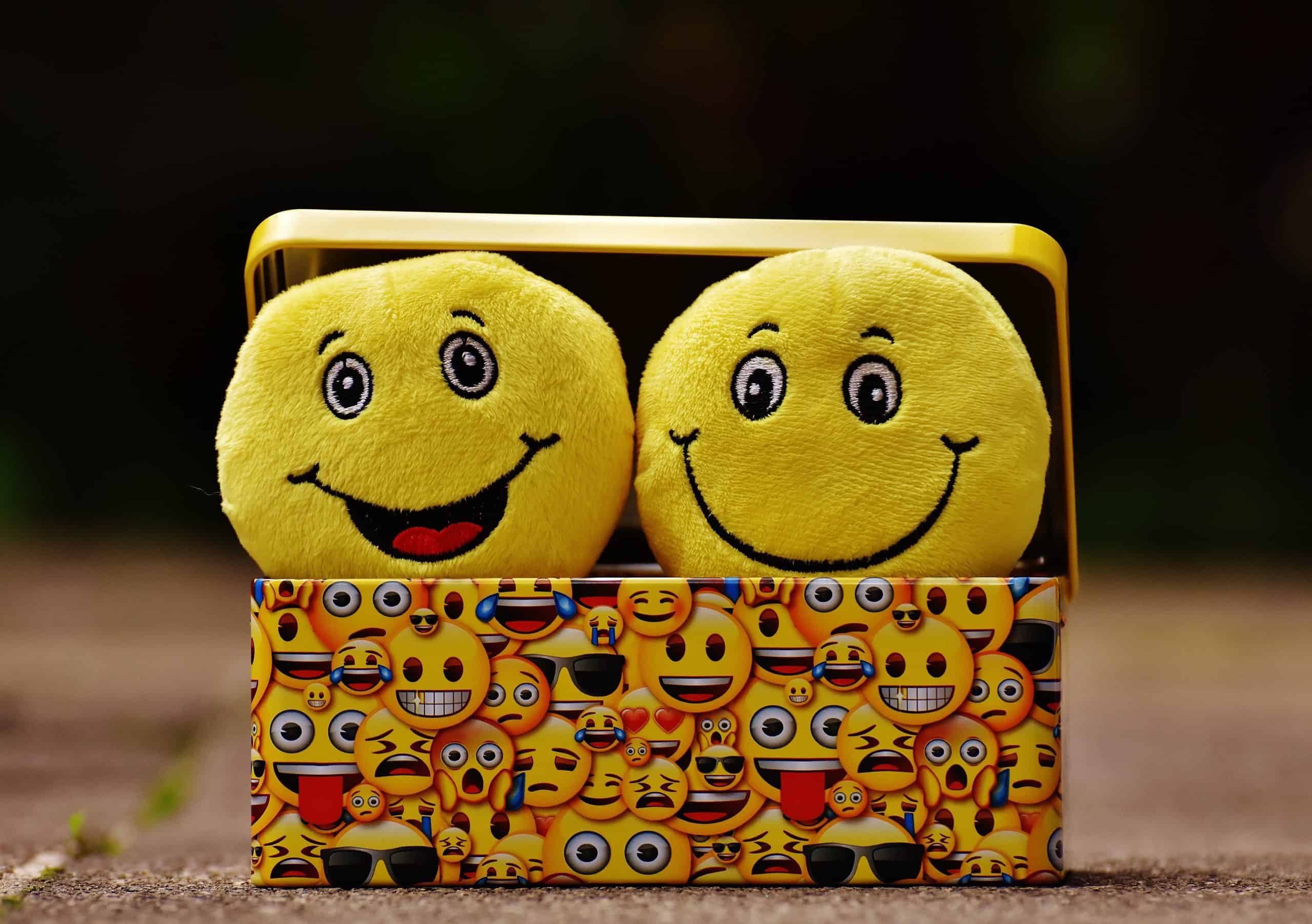
Today, as the use of Emoji in everyday communication is on the rise, we’re starting to see it in the most unusual of places. But what about Emoji in Meta Titles and Descriptions in a Google SERP (search engine results page)?
How might that impact SEO? Is it allowed? Can’t it hinder your progress? And is it seen as unprofessional?
Read on and we’ll tell you everything you need to know about Emoji in Metas.
What’s all the fuss about Emoji?
Those funky little icons that we receive in WhatsApp messages and social media conversations have taken the world by storm in recent years.
In fact, they’ve become so prevalent in popular culture that Oxford Dictionaries selected the “face with tears of joy” Emoji as the word of the year in 2015 (not to mention the animated movie)!
Of course, to any writers and language purists out there, the thought of an Emoji being picked for ‘word of the year’ is frustrating – but, it does stand testament to just how much of an impact these colourful little icons have made.
And whether you like them or not, there’s no denying how handy Emoji are – and indeed just how useful they are when expressing feelings and emotions in online engagement.
Can you use Emoji in your Meta Titles and Descriptions?
You can indeed use Emoji in your Meta!
First of all, Google announced that the use of Emoji in titles and descriptions is perfectly acceptable, but that it wouldn’t impact your SEO rankings at all.
Which begs the question, what is the point in using Emoji if you won’t gain a boost in your rankings?
Should you use Emoji in your Meta Titles and Descriptions?
As to whether you should use Emoji, it really boils down to your brand and business. If you are targeting an older audience (say aged 50+) then Emoji likely won’t have quite as much of an impact.
However, as for a younger audience, it could indeed make your link in the SERPs more appealing.
You also need to think carefully about what message you would like to convey with your Emoji and choose wisely. A digital marketing agency in Singapore for example, could use a ‘green tick’ or ‘upwards arrow’ Emoji to signal some sort of positive upward trajectory that can be gained by working with them, etc.
As for whether or not Emoji in Meta can make an impact: SplitSignal did a very interesting split-testing case study by adding a Cocktail Emoji into the Meta Title for their recipe pages and saw an increase of 11.3% in their organic traffic!
That’s a huge increase and stands testament to the fact that in some cases, the use of Emoji in Meta can be very powerful.
And yes, while it might not impact your rankings, an increase in traffic is a valuable result indeed!
Conclusion
To quickly recap:
- You can use Emoji in your Meta.
- Doing so doesn’t impact your rankings.
- When utilised well it can increase your traffic!
If you can’t make your mind up, why not give it a go and try a similar split-testing experiment?