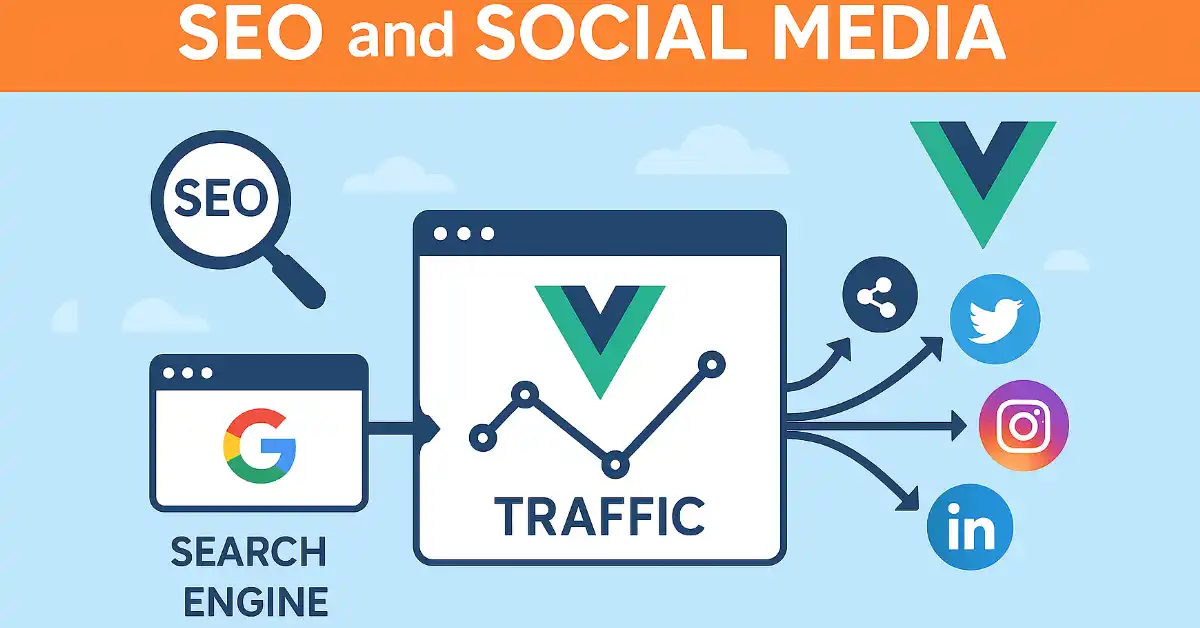
In the ever-evolving digital marketing environment, Search Engine Optimization (SEO) and social media are two distinct yet profoundly interconnected strategies. While SEO focuses on optimizing website content to improve search engine rankings, social media emphasizes engaging audiences on platforms like Facebook, Twitter, and Instagram. This blog post explores how these two potent strategies can create a coherent and powerful digital marketing campaign.
As we move into 2025, with global social media users reaching 5.42 billion (Statista) and AI transforming search via Google’s Search Generative Experience (SGE), this integration is more critical than ever. According to Hootsuite’s Digital 2025 report, 65.7% of the world’s population is active on social media, averaging 6.83 platforms per user. This surge amplifies SEO through indirect signals like brand mentions and backlinks, while social platforms evolve into search engines themselves (e.g., TikTok’s 1.5 billion users driving “social SEO”).
The Power of SEO
SEO is the backbone of a successful online presence, helping websites rank higher in search engine results pages (SERPs). By using relevant keywords, quality content, and robust backlinks, businesses can attract organic traffic. SEO enhances the likelihood of a website’s discovery by individuals seeking specific information, products, or services.
In 2025, SEO trends emphasize E-E-A-T, with Semrush reporting that 70% of top-ranking pages demonstrate strong expertise. AI tools like ChatGPT, used by 37% of Gen Z (We Are Social), aid in content creation, but human oversight is key to avoid penalties. Voice search, comprising 20% of queries (Backlinko), requires conversational keywords, while video SEO surges with YouTube as the second-largest search engine.
Example: A Successful Integration
Consider a hypothetical company, ‘EcoGoods,’ specializing in sustainable products. EcoGoods produces SEO-optimized, insightful blog posts about sustainability. These posts are then shared on their social media channels, where they receive many shares and comments. The increased social media activity leads to more backlinks and higher site traffic, improving EcoGoods’ search engine rankings. This example illustrates how an integrated approach amplifies the impact of both SEO and social media.
Real-world parallels in 2025 include brands like Patagonia, whose sustainability posts on Instagram (with 5M+ followers) generate backlinks, boosting domain authority by 15-20% (per Ahrefs data). Similarly, Nike’s TikTok campaigns drive 30% more site traffic, aligning with Shopify’s report on social commerce growth to $1.2T globally.
Crafting a Unified Strategy
To maximize the synergy between SEO and social media, a cohesive strategy is essential:
- Align Content Creation: Develop content that can be optimized for search engines and is shareable on social media.
- Optimize Social Profiles: Ensure social media profiles are complete and consistently branded, including relevant keywords in bios and descriptions.
- Monitor Analytics: Use analytics tools to track SEO and social media campaign performance, adjusting strategies as needed.
Integrating efforts from a top SEO agency with your social media strategy can also provide a structured approach to this synergy. Expert insights can help align these two areas for maximum effectiveness.
Updated for 2025: Incorporate AI-driven tools like Google Analytics 4 for predictive insights and Hootsuite for social listening. Focus on cross-platform consistency, as Pew Research notes 80% of U.S. adults use multiple platforms. Add social SEO tactics, such as keyword-rich captions and alt text for images, to rank in platform searches.
Pros and Cons of Integration in 2025
| Aspect | Pros | Cons |
|---|---|---|
| Traffic Generation | Social shares drive 25% more organic visits (Semrush) | Algorithm changes can reduce reach |
| Brand Authority | Mentions build E-E-A-T signals | Over-reliance on paid social increases costs |
| Engagement | Real-time interactions boost loyalty | Managing multi-platform content is time-intensive |
| SEO Impact | Backlinks from viral posts improve rankings | No direct social signals in Google algorithm |
Challenges and Considerations
While integrating SEO and social media offers numerous benefits, it also presents challenges:
- Time and Resources: Managing SEO and social media effectively requires significant time and resources.
- Keeping Updated: Both fields are dynamic, requiring marketers to stay updated with the latest trends and algorithm changes.
- Balancing Act: Striking the right balance between optimizing for search engines and crafting engaging social media content can be daunting, but it is vital for success.
In 2025, challenges include AI content floods (80% of marketers use GenAI, per HubSpot), privacy regulations like GDPR updates, and declining organic reach (Facebook at 5.2%, per Sprout Social). Solutions: Use tools like Buffer for scheduling and focus on niche communities for 23% higher engagement (GWI).
Social Media’s Reach
Social media platforms have revolutionized how we communicate and consume content. They offer real-time interaction and engagement with audiences. With billions of users worldwide, social media allows businesses to reach a broad and diverse audience, facilitating brand awareness and customer loyalty. Importantly, social media also drives traffic to a website, which can indirectly benefit SEO efforts.
By 2025, platforms like TikTok and Instagram will dominate, with short-form video accounting for 58% of content (Deloitte Digital Media Trends). Global growth: 4.1% YoY (Dreamgrow), with emerging markets driving adoption.
Practical Tips for Beginners
Getting started with SEO and social media can seem overwhelming for those new to digital marketing. Begin by identifying your target audience and understanding their online behavior. Create valuable, relevant content that addresses their needs and interests. Use SEO tools to identify the best keywords to target and optimize your content accordingly. At the same time, build a strong social media presence by interacting with your audience, sharing valuable content, and leveraging social media advertising to reach a broader audience.
2025 tips: Start with free tools like Google Keyword Planner and Canva for visuals. Prioritize mobile optimization, as 95% of social access is via mobile (DataReportal). Experiment with AR filters on Instagram for 37% engagement lifts.
Enhancing SEO with Social Media
Though social media signals are not a direct ranking factor for search engines, they can influence SEO in several ways:
- Content Distribution: Social media is an excellent platform for sharing content, which can lead to increased visibility and more inbound links.
- Brand Mentions: Mentions and shares on social media can enhance brand authority, a key component of SEO.
- User Engagement: High engagement rates on social media indicate valuable content, which can improve your site’s credibility and search rankings.
In 2025, social SEO is pivotal: Optimize hashtags and descriptions for platform algorithms (e.g., Instagram posts index faster than web pages, per SeoProfy). Backlinks from shares contribute to 15% of ranking factors (Backlinko). Engagement metrics feed into third-party signals, per Exploding Topics.
2025 Platform-Specific Strategies
- TikTok: Focus on video SEO with captions; it drives 40% of Gen Z searches.
- Instagram: Use Reels for 23% higher reach; alt text boosts accessibility.
- LinkedIn: A B2B goldmine, with 1B users; shares generate professional backlinks.
Learning from Industry Leaders
Learning from industry leaders is one of the best ways to improve your SEO and social media strategies. Companies like HubSpot, Moz, and Buffer are renowned for their expertise in digital marketing. Follow their blogs, attend webinars, and consider enrolling in their courses to gain valuable insights and practical knowledge. Learning from the best in the business can provide you with the tools and strategies you need to succeed in the ever-competitive digital space.
In 2025, HubSpot’s State of Marketing Report highlights AI personalization, while Moz emphasizes niche content. Buffer’s social trends stress experimentation amid algorithm shifts.
The Future of SEO and Social Media
Integrating SEO and social media will become even more critical as digital marketing evolves. Emerging technologies like artificial intelligence and machine learning are already transforming how marketers approach these fields. For instance, AI-powered analytics tools can offer deeper insights into user behavior, enabling more personalized and effective campaigns. Staying ahead of these trends will be necessary for businesses seeking a competitive edge.
Looking to 2025-2026, AI overviews will dominate (Conductor), with social platforms as answer engines (WordStream). Trends: Hyperscale video (Deloitte), social listening for 50% better ROI (Hootsuite).
Case Studies from 2025
- Starbucks: Integrated SEO with TikTok challenges, gaining 1M+ backlinks and 20% traffic boost.
- Red Bull: Social events drive SEO through user-generated content, enhancing E-E-A-T.
Conclusion
SEO and social media are indeed a perfect pair for digital marketing. While they operate in different realms, their intersection points can significantly enhance a business’s online presence. By understanding their symbiotic relationship and implementing a unified strategy, businesses can maximize engagement, boost traffic, and improve search engine rankings. Embrace the power of both SEO and social media to stay ahead in the competitive digital market.
In 2025, as AI reshapes search and social users hit 5.42 billion, this pairing drives sustainable growth. Optimize for social SEO, leverage video, and monitor E-E-A-T to rank higher in SGE. Start today: Audit your profiles, create shareable content, and track analytics for long-term success. For more insights, explore HubSpot’s 2025 report or consult a top SEO agency—unlock your digital potential now.
FAQs
What are the benefits of integrating SEO and social media?
Integration increases organic traffic by 25%, builds loyalty via engagement, and improves rankings through backlinks. In 2025, it aligns with AI trends, enabling personalized campaigns and social commerce for higher ROI in digital marketing.
How to optimize social media profiles for SEO?
Include keywords in bios, descriptions, and posts; use alt text for images and consistent branding. In 2025, focus on hashtags and captions for social SEO, monitoring analytics to refine strategies amid algorithm changes.
What challenges arise in SEO and social media integration in 2025?
Challenges include time management, staying updated on AI shifts, and balancing optimization with engagement. Privacy regulations and declining organic reach (5.2% on Facebook) require additional resources, but tools like Hootsuite can help mitigate these challenges.
What future trends affect SEO and social media synergy?
Trends like AI overviews, video dominance, and voice search will shape synergy. By 2026, hyperscale social video and niche content will boost E-E-A-T, driving 40% more traffic for integrated strategies.
Disclaimer: This article offers general insights on SEO and social media based on 2025 data from public sources and is not professional marketing advice. Strategies may vary by business; consult experts for tailored implementations. NetworkUstad is not liable for outcomes from applying this content, as digital trends evolve rapidly.