
Behind every successful event lies a foundation of reliable catering supplies. Whether orchestrating an intimate corporate gathering or managing a wedding for hundreds, caterers face a persistent challenge: sourcing high-quality, comprehensive supplies that arrive consistently and fit within budget constraints. The difference between a seamless service and operational chaos often comes down to supply chain reliability. This guide examines the catering supplies wholesale landscape, highlighting practical approaches that address the real-world demands of professional food service. We’ll explore how to select versatile tableware sets that elevate any presentation, identify the characteristics of a truly dependable supplier, and understand how to tailor hosting solutions to match the unique requirements of diverse occasions—from efficient corporate lunches to elegant galas and casual outdoor events.
Building Your Foundation: The Core Components of Catering Supplies Wholesale
Successful catering operations depend on having immediate access to a comprehensive range of supplies. A well-structured wholesale strategy can function as a one-stop solution, potentially eliminating the inefficiencies of scattered ordering systems and ensuring visual consistency across all event elements. The foundation of any professional catering inventory breaks down into three essential categories that work in concert to deliver seamless service.

Tableware forms the guest-facing cornerstone of your supply arsenal. This encompasses dinner and salad plates in various sizes, bowls for soups or sides, and complete cutlery sets. Quality tableware directly impacts guest perception, making material selection—whether ceramic, melamine, or premium disposables—a decision that balances aesthetics with practicality.
Serving ware represents the operational backbone that keeps food at proper temperatures and presentations appealing throughout service. Chafing dishes maintain hot entrées during buffet service, while tiered platters showcase appetizers elegantly. Beverage dispensers, serving utensils, and carving stations complete this category, enabling efficient food distribution regardless of event scale.

Essential disposables round out your core inventory with items that facilitate smooth operations behind the scenes. This includes food storage containers for prep work, aluminum pans for transport, napkins and table coverings, and waste management solutions. When sourced strategically, these three supply groups integrate seamlessly, allowing caterers to manage inventory with precision and maintain consistent quality standards.
Curating the Perfect Tableware Sets for Every Event Style
The tableware selected communicates volumes about event sophistication before guests take their first bite. Fine china with gold-rimmed edges and weighted flatware signals formality and elegance, appropriate for galas and formal dinners where presentation rivals the cuisine itself.
Mid-range events often benefit from high-quality melamine or heavyweight plastic tableware that mimics ceramic aesthetics while offering practical durability. These sets can work well for corporate events and daytime receptions where professional presentation matters but operational efficiency takes priority. The key advantage lies in their resistance to chipping and breaking during high-volume service.
Budget-conscious occasions and outdoor events may call for premium disposable tableware that doesn’t compromise on appearance. Modern disposable sets offer designs with clean lines and neutral tones that can elevate casual gatherings. When selecting any tableware set, professionals recommend prioritizing cohesive design elements—matching colors and consistent patterns across plates, bowls, and utensils.
Tailored Hosting Solutions: From Corporate Lunches to Grand Galas
Event diversity demands supply flexibility. Strategic hosting requires preparing supplies that match both the occasion’s tone and its logistical realities.
Streamlined Supplies for Efficient Corporate Lunches
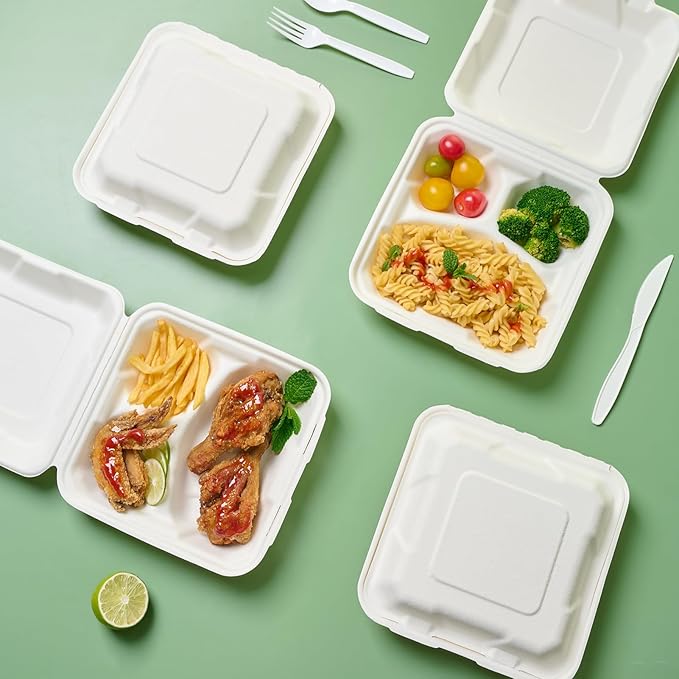
Corporate events often prioritize efficiency without sacrificing professionalism. The supply focus typically centers on portability and quick service capabilities. Compartmentalized lunch boxes or bento-style containers can facilitate individual portions while maintaining food separation. These can be paired with minimalist tableware sets in neutral colors that convey sophistication. For beverage service, sealed individual bottles or sleek dispensers are commonly used to maintain a professional aesthetic.
Complete Picnic Supplies for Outdoor Catering Success
Outdoor events introduce environmental variables that require specialized supplies built for durability. Common solutions include heavyweight disposable plates that resist bending and cups with weighted bases or lids to prevent tipping. Insulated food carriers help maintain proper temperatures, while portable chafing dishes with wind guards can be useful. Eco-friendly bamboo or compostable utensils are also a frequent consideration for environmentally conscious events.
Comprehensive Kits for Weddings and Large-Scale Events
Upscale events often demand supplies that function as décor elements. Wedding and gala preparations may include charger plates for visual impact, stemware for beverage service, and matching serving pieces like tiered stands and decorative platters. For events at this scale, some caterers use pre-assembled kits organized by guest count to ensure cohesive design and efficient setup.
Your Step-by-Step Guide to Partnering with a Reliable Supplier
The supplier you choose becomes the invisible partner at every event you cater. Their reliability determines whether you deliver flawless service or scramble with last-minute substitutions. Yet many caterers select wholesalers based solely on initial pricing, only to face inconsistent quality, delayed shipments, or inadequate product ranges when demand surges. A strategic approach to supplier selection transforms this relationship from transactional to foundational, ensuring your operations scale smoothly as your business grows.
Step 1: Defining Your Needs and Volume Requirements
Begin with a comprehensive audit of your catering calendar. Document the frequency of each event type and typical guest counts. Calculate monthly consumption of core items like plates and utensils, then identify seasonal peaks. This analysis helps in understanding minimum order quantities and reorder frequency, which is useful when communicating with potential suppliers.
Step 2: Vetting for Quality, Consistency, and Range
It is advisable to evaluate supplier products physically before committing. Requesting sample kits containing items from each regular category allows for testing in actual event conditions. Examining catalog breadth ensures a supplier can meet diverse needs. Researching a supplier’s reputation through industry forums and checking references from other caterers is considered a standard due diligence practice.
Step 3: Evaluating Logistics, Support, and Terms
Logistical capabilities are critical. It is important to confirm delivery areas, standard lead times, and expedited shipping options. Reviewing customer service accessibility, return policies, and payment terms helps in assessing the operational fit. Finally, understanding a supplier’s capacity to scale alongside your business growth is a key long-term consideration.

Building Long-Term Success Through Strategic Supply Partnerships
The trajectory of a catering business is influenced by supply chain strategy. Operational success hinges on the ability to deliver consistent service backed by reliable supplies. Versatile tableware sets help adapt to different event aesthetics, while tailored hosting solutions ensure appropriate equipment for each occasion. The relationship with a reliable supplier who provides consistency, comprehensive inventory, and logistical support can be a significant factor in scaling operations confidently. Caterers who develop effective supply strategies position themselves to manage larger contracts and deliver the consistent experiences that support professional growth.