A United States court has sentenced an American couple for operating laptop farms that housed North Korean IT workers evading sanctions. The operation allowed the workers to pose as Americans and secure remote jobs with U.S. companies, funneling earnings back to the North Korean regime.
Key Details
The duo, identified in court documents as American citizens, set up facilities with dozens of laptops connected to residential networks. These setups enabled North Korean workers to use stolen or fabricated U.S. identities for freelance platforms and corporate contracts. Federal authorities raided the sites after tracing suspicious IP patterns and payment flows.
Prosecutors detailed how the farms operated in multiple locations, providing high-speed internet, VPNs, and physical isolation to mimic legitimate U.S.-based freelancers. The scheme generated substantial revenue, with estimates in the millions, routed through cryptocurrency and shell accounts to North Korea.
Sentencing occurred last week in a federal district court. The couple received prison terms, though exact lengths remain under seal pending appeals. Charges included sanctions violations, wire fraud, and conspiracy to support a foreign adversary.
Background and Investigation
This case stems from a multiyear U.S. government crackdown on North Korea’s IT export programs. Pyongyang has expanded these networks since 2020 to bypass international sanctions amid economic isolation. Workers often train in China or Russia before infiltrating Western job markets via proxies.
Similar operations have surfaced in recent years, with arrests in other states for comparable laptop farm setups. The FBI and Treasury Department’s OFAC led the probe, collaborating with private sector firms monitoring anomalous remote work activity. One report highlighted how such fraud has cost U.S. employers over $100 million annually in stolen wages.
The sentencing underscores ongoing risks in remote work. Companies have ramped up identity verification, including biometric checks and geolocation audits, following alerts from cybersecurity firms. This incident ties into broader concerns over online scams exploiting digital anonymity.
Official Statements
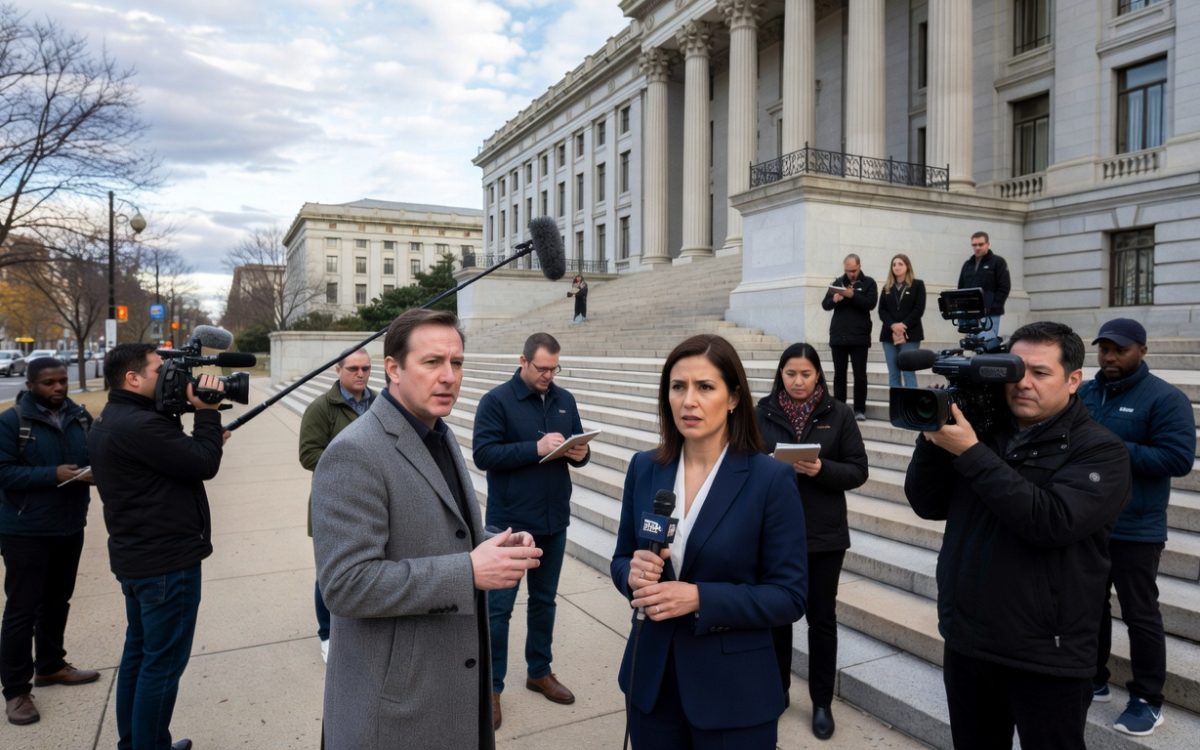
The U.S. Attorney’s Office stated the convictions “dismantle a key revenue stream for North Korea’s illicit activities.” An FBI spokesperson noted, “These farms were sophisticated fronts that deceived employers and undermined sanctions.” No direct quotes from the defendants appear in public records.
Experts in sanctions enforcement point to the case as a warning. “Remote work has created blind spots for nation-state actors,” one analyst remarked in a related briefing.
Implications and Next Steps
The ruling may prompt stricter platform policies for freelancers. Major sites like Upwork and Fiverr have already enhanced AI-driven fraud detection. U.S. agencies plan further indictments against overseas facilitators.
Authorities continue investigating linked networks. Potential asset forfeitures from the operation are expected soon. Businesses are advised to review vendor contracts amid heightened scrutiny. For more on digital fraud trends, see coverage of user verification challenges in remote economies.
This development highlights vulnerabilities in global IT outsourcing. As enforcement intensifies, similar schemes face growing barriers, though experts anticipate adaptations by state-sponsored actors.