China-Linked Hackers Target Asian Governments, NATO State, Journalists, and Activists
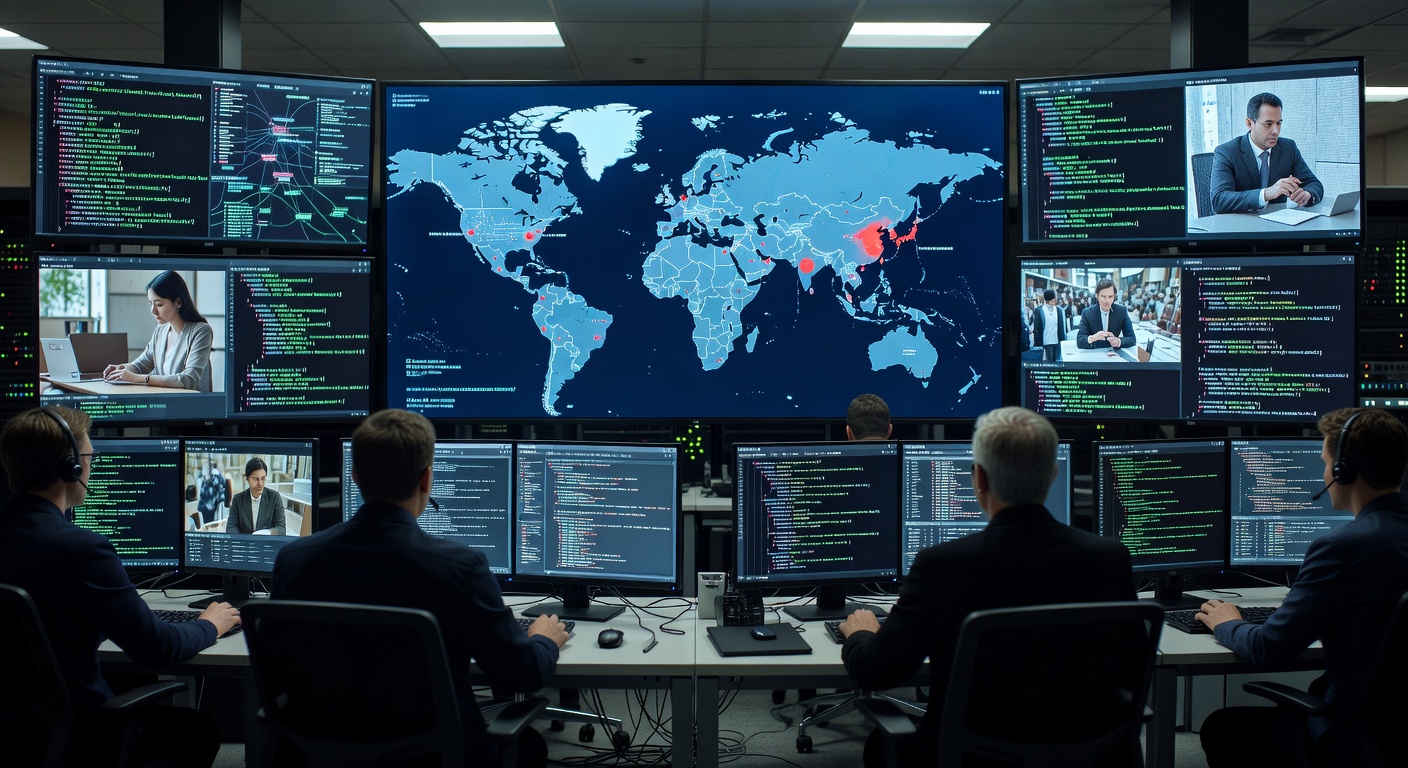
China-linked hackers have targeted governments in Asia, a NATO member state, journalists, and activists in a series of cyber operations detected in recent months. Cybersecurity firms report the attacks aimed to steal sensitive data and monitor dissent, with operations linked to groups backed by Beijing.
Key Details
The hackers, tracked under names such as APT41 and Salt Typhoon, used spear-phishing emails and malware implants to breach networks. Targets included foreign ministries in Southeast Asia, defense officials in a NATO country in Eastern Europe, and news outlets covering human rights in China. Activists from Hong Kong and Xinjiang communities faced persistent surveillance attempts.
Attacks employed zero-day exploits in widely used software, allowing initial access before lateral movement within victim systems. Data exfiltration focused on policy documents, diplomatic cables, and personal communications. Some intrusions lasted over six months before detection.
Context and Background
These operations fit a pattern of state-sponsored cyber espionage attributed to China. Similar groups have hit U.S. telecom firms and political targets in past years, often during periods of geopolitical tension. For more on online threats and scams, experts note rising sophistication in digital attacks.
The NATO state involvement raises alliance-wide concerns, as the breach exposed classified military exchanges. Asian governments face pressure amid South China Sea disputes. Journalists and activists report heightened risks, with some devices fully compromised.
Statements from Experts
A report from a major cybersecurity firm stated the group “conducted operations aligned with Chinese government interests.” Officials from targeted nations confirmed incidents without naming perpetrators publicly. One Asian foreign ministry spokesperson said, “We detected unauthorized access and took defensive measures.”
Analysts point to overlaps in tactics, tools, and infrastructure with prior campaigns. “This shows continued focus on information control and strategic intelligence,” one researcher noted.
Broader Implications
The attacks highlight vulnerabilities in government and media sectors. Affected entities have since patched systems and enhanced monitoring. International coordination grows, with NATO discussing collective responses. For insights into digital security trends, such incidents underscore needs for better user protections.
Targets report no public data leaks so far, but private disclosures warn of potential espionage impacts. Beijing denies involvement, calling claims baseless. Cybersecurity firms urge multi-factor authentication and regular audits worldwide.
Investigations continue, with U.S. and allied agencies sharing intelligence. Victims implement endpoint detection tools. Upcoming briefings at international forums will address attribution and mitigation.
These events occur amid strained U.S.-China relations and regional flashpoints. Experts expect more such activity ahead of key diplomatic meetings. (Word count: 612)