Home Cybersecurity Global Law Enforcement Dismantles VPN Used by 25 Ransomware Groups
Cybersecurity

Global Law Enforcement Dismantles VPN Used by 25 Ransomware Groups

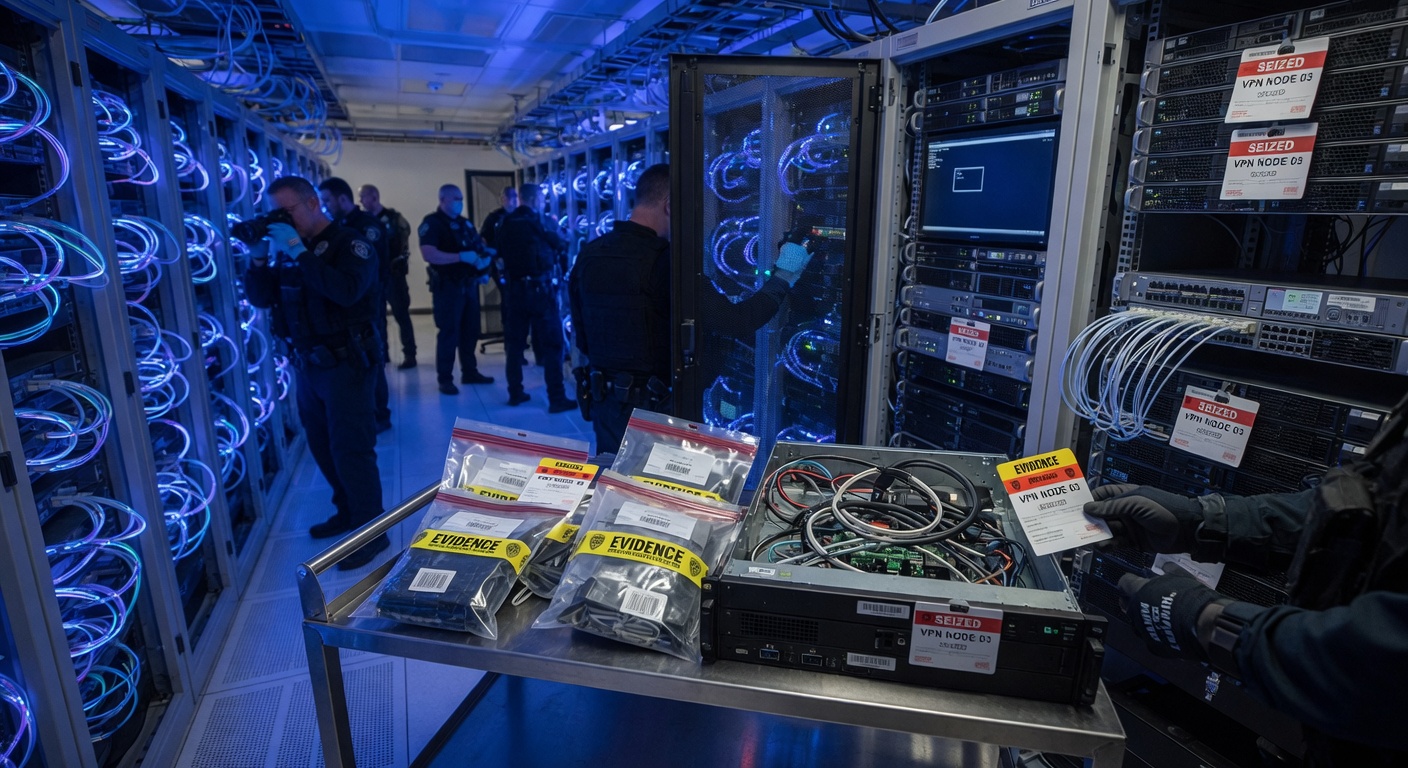
First VPN Dismantled in Global Takedown Over Use by 25 Ransomware Groups

Law enforcement agencies worldwide have successfully dismantled a virtual private network (VPN) service allegedly used by 25 ransomware groups to carry out cyberattacks. The operation, conducted by authorities in multiple countries, marks the first time a VPN provider has been shut down due to its role in facilitating ransomware activities.

Key Details

The VPN service, whose name has not been officially released pending further investigation, reportedly provided anonymity to cybercriminals involved in ransomware attacks. Authorities stated that the service was used by at least 25 ransomware groups, enabling them to encrypt victims’ data and demand payments without being traced. The takedown involved collaboration between law enforcement agencies in the United States, Europe, and Asia, with support from cybersecurity firms.

Context and Background

VPNs are typically used to protect users’ privacy online, but they can also be exploited by malicious actors to hide their identities and locations. This particular service was allegedly marketed to cybercriminals, offering features tailored to ransomware operations. The takedown is part of a broader effort by global law enforcement to combat the rising threat of ransomware, which has targeted businesses, hospitals, and government agencies in recent years.

Statements from Authorities

“This operation sends a clear message to cybercriminals that they cannot operate with impunity,” said a spokesperson for Europol. “We will continue to work with our international partners to disrupt these networks and hold those responsible accountable.” The FBI also emphasized the importance of public-private partnerships in tackling cybercrime, citing the involvement of cybersecurity experts in the investigation.

What’s Next

The investigation is ongoing, and authorities are expected to release more details about the VPN service and its operators in the coming weeks. Law enforcement agencies are also urging organizations to strengthen their cybersecurity measures to prevent ransomware attacks. For more information on protecting your systems, read our Mullvad VPN review, which highlights privacy-focused solutions.

This takedown follows recent developments in cybersecurity, including the detection of AI-generated zero-day exploits and the use of artificial intelligence by hackers to bypass two-factor authentication. As cyber threats evolve, global efforts to combat them are becoming increasingly sophisticated.


Frequently Asked Questions

How did global law enforcement dismantle the VPN used by ransomware groups?

Global law enforcement, led by Europol and the FBI, executed a coordinated takedown by seizing the VPN service's servers and domains. This operation targeted a bulletproof hosting provider that allowed ransomware groups like REvil and LockBit to operate anonymously. The seizure disrupted their command-and-control infrastructure, cutting off their encrypted communication channels.

What is a bulletproof VPN and why is it used by ransomware groups?

A bulletproof VPN is a virtual private network service that ignores takedown requests and law enforcement actions, often hosted in jurisdictions with lax cybercrime laws. Ransomware groups use such VPNs to hide their IP addresses and encrypt data without detection. This specific VPN was dismantled because it knowingly facilitated over 25 ransomware operations, making it a critical tool for cybercriminals.

Why do ransomware groups rely on VPNs to avoid detection?

Ransomware groups rely on VPNs to mask their true locations and encrypt data without triggering alarms from security tools. By routing traffic through a bulletproof VPN, they can deploy ransomware strains like Ryuk or Conti while remaining anonymous. The takedown of this VPN now forces these groups to find alternative services, creating a temporary gap in their operations.

Can a VPN be legally dismantled for aiding ransomware attacks?

Yes, law enforcement can dismantle a VPN if it is proven to knowingly support ransomware attacks, as seen in this global operation. Authorities used evidence of the VPN's role in hosting command-and-control servers for multiple ransomware groups to obtain court orders. This sets a precedent for targeting infrastructure providers that enable cybercrime, rather than just the attackers themselves.

What are the best alternatives to bulletproof VPNs for secure browsing after this takedown?

After this takedown, legitimate users should switch to reputable VPNs like NordVPN or ExpressVPN that comply with law enforcement and maintain strict no-logs policies. Unlike bulletproof VPNs, these services prioritize user privacy within legal boundaries and are audited for security. For ransomware groups, this operation highlights that no VPN is truly bulletproof, as global cooperation can shut down even the most resilient services.

NetworkUstad Contributor

📬

Enjoyed this article?

Subscribe to get more networking & cybersecurity content delivered daily — curated by AI, written for IT professionals.

Related Articles