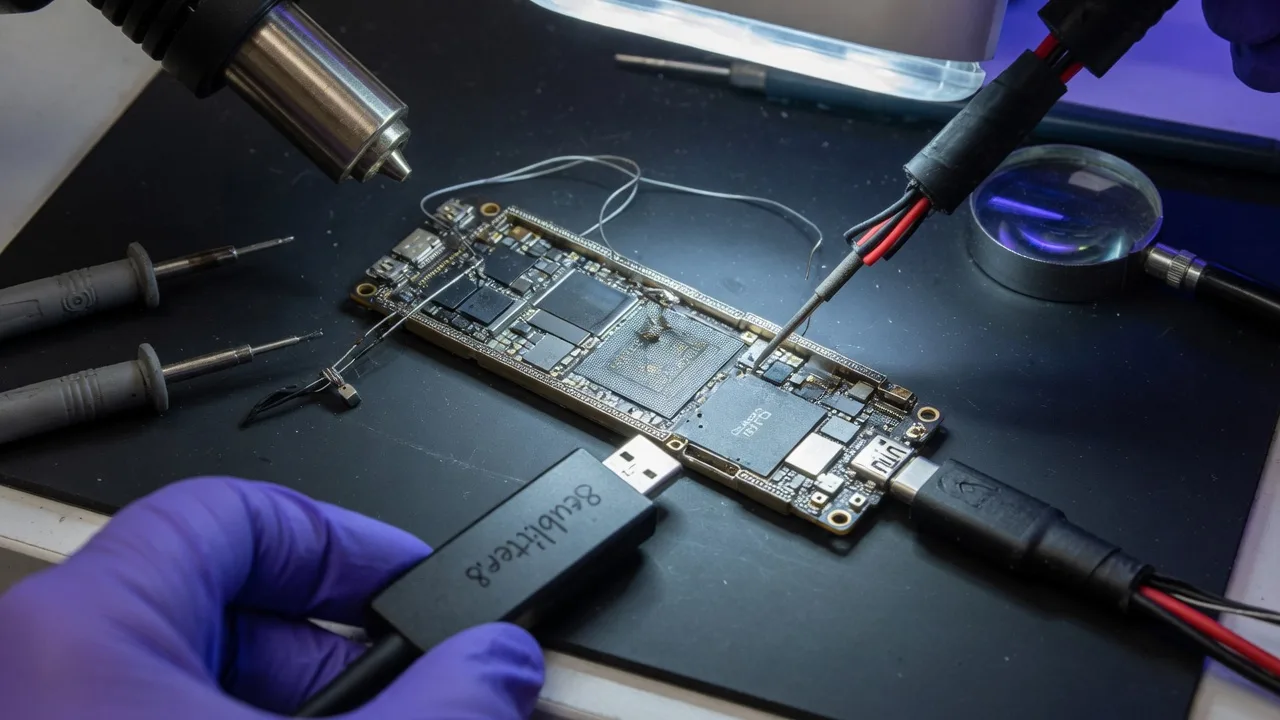
A critical vulnerability known as “usbliter8” has been discovered in Apple’s A12 and A13 SoCs, breaking the SecureROM boot chain and rendering the chips effectively unpatchable. This exploit, disclosed by security researchers, poses a significant threat to the security of numerous Apple devices, including iPhones and iPads.
The Unpatchable “usbliter8” Exploit
The “usbliter8” vulnerability is a hardware-level flaw that affects the SecureROM, a important component responsible for the initial boot process in Apple’s A12 and A13 processors. This exploit allows attackers to bypass the secure boot chain, potentially enabling them to execute arbitrary code and gain full control of affected devices.
Impact on Apple Devices
The “usbliter8” exploit is particularly concerning because it is considered unpatchable, meaning Apple will not be able to issue a software update to address the vulnerability. This leaves millions of iPhone and iPad users vulnerable to potential attacks, as the affected devices include the iPhone XS, XR, 11, 12, and 13 series, as well as the iPad Air 3, iPad mini 5, and iPad Pro 3rd generation.
Potential Consequences and Risks
The ability to bypass the SecureROM boot chain opens the door to a wide range of malicious activities, including the installation of persistent malware, the extraction of sensitive user data, and the potential for device bricking or other system-level attacks. This vulnerability could also enable the development of jailbreaks and unauthorized modifications to Apple’s iOS operating system, potentially compromising the overall security and integrity of affected devices.
Response from Apple and Security Community
Apple has not yet issued an official statement or response regarding the “usbliter8” exploit. However, the security research community has raised significant concerns about the implications of this vulnerability, urging Apple to investigate the issue and provide guidance to users on potential mitigations or workarounds.
Potential Mitigation Strategies
While the “usbliter8” exploit is considered unpatchable, security experts suggest that users should be vigilant in maintaining strong security practices, such as avoiding the installation of untrusted applications, enabling two-factor authentication, and regularly backing up their device data. users may consider upgrading to newer Apple devices that are not affected by this vulnerability.