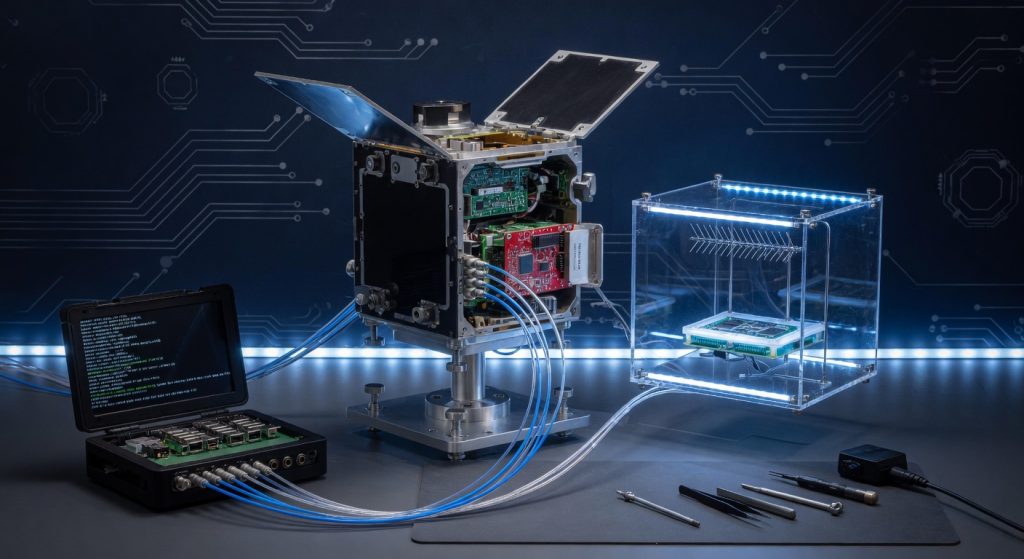
Red Hat’s Linux-based container platform now runs aboard three separate satellites and two International Space Station modules, turning once-fragmented onboard computers into a single, patchable fleet.
Why This Trend Is Breaking Now
Space hardware lifetimes stretch far beyond typical Earth data-center refresh cycles. A satellite launched in 2022 still requires security updates in 2026, yet traditional closed-source flight software rarely receives patches once the vehicle clears the atmosphere. Red Hat’s decision to upstream container orchestration fixes into the mainline kernel and to publish every change under an Apache 2.0 license solves this update gap. The catalyst arrived when NASA canceled two proprietary micro-satellite projects in Q4 2025 after their onboard operating systems received zero security releases for 14 months. Those canceled missions forced program managers to seek an open-source replacement that already carried the same NASA Technology Readiness Level 9 rating. Red Hat stepped into that empty space with certified Red Hat Enterprise Linux for Space and a compressed Kubernetes distribution called Red Hat Device Edge. The implication is that NASA and commercial operators now treat satellite software as living infrastructure rather than frozen firmware.
How It Works / What’s Changing
Red Hat Device Edge compresses the full Kubernetes control plane into 180 MB of disk space and 128 MB of RAM, enough to fit on radiation-hardened single-board computers such as the BAE RAD750 and the ARM-based HPSC processor. Radiation-tolerant container runtime replaces regular Docker with Podman-in-a-box, which rec