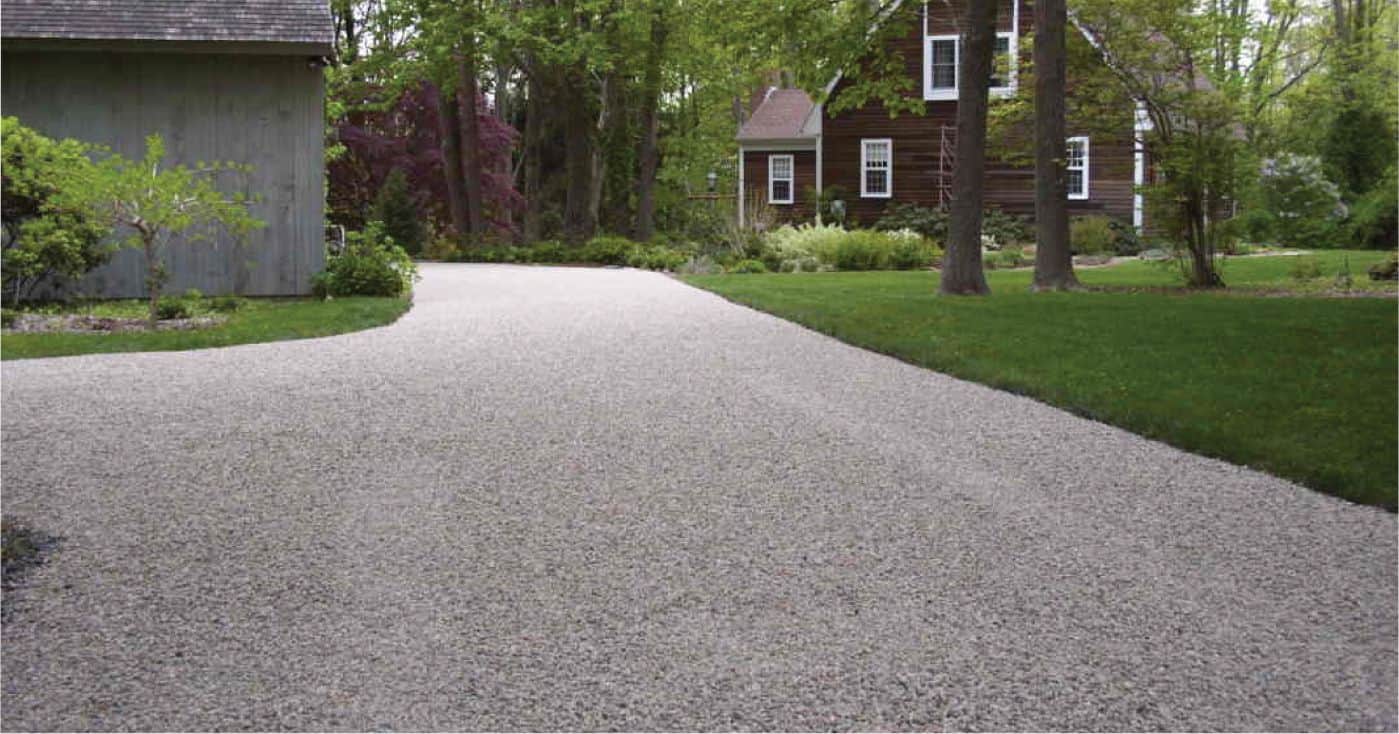
In 2025, the Federal Highway Administration reported that nearly 35% of rural roads in the United States remain unpaved, with gravel as the dominant surface material. That same principle applies to residential driveways: gravel is not a cheap compromise—it is a deliberate engineering choice with specific advantages over asphalt and concrete. But most homeowners miss a critical intersection: how a gravel driveway interacts with underground network infrastructure. A poorly planned driveway can strand fiber optic runs, crush conduit, or make future trenching a nightmare. This article bridges the gap between civil engineering and IT infrastructure, giving you everything needed to build a gravel driveway that supports both your truck and your Cat6a run.
Why Gravel Driveways Still Dominate Rural and Semi‑Rural Properties
Gravel driveways account for roughly 60% of new installations on lots larger than two acres, according to 2025 data from the National Association of Home Builders. The reasons go beyond upfront cost. Water drainage, freeze‑thaw resilience, and ease of repair make gravel the smartest choice in climates with heavy precipitation or temperature swings.
Unlike asphalt, which develops cracks that allow water to undermine the base, gravel sheds moisture naturally. In regions where snow plows scrape regularly, gravel can be re‑graded with a box blade in minutes. For IT professionals managing property cabling, this ease of disturbance is both a risk and an opportunity—trenching for fiber can be done after the driveway is laid, as long as conduit placement is accounted for in the base layer.
Comparing Surface Materials: Gravel vs. Asphalt vs. Concrete vs. Rubber Crumb
| Material | Cost per sq. ft. (2026) | Lifespan (years) | Drainage | Ease of Trenching | Network Cable Impact |
|---|---|---|---|---|---|
| Gravel (3/4″ crushed) | $2–5 | 15–20 | Excellent | Easy – re‑grade after | Low risk if conduit is buried below base |
| Asphalt | $7–12 | 20–30 | Moderate | Difficult – must cut and patch | High risk of damage during repaving |
| Concrete | $10–15 | 30–40 | Poor (needs slopes) | Very difficult – core drill | Permanent – plan before pour |
| Rubber crumb | $6–10 | 10–15 | Good (permeable) | Moderate – flexible, but heavy | Low – permeable base allows re‑trenching |
The comparison makes one thing clear: gravel offers the most accessible path for future network upgrades. Other materials lock you into the original cabling plan. For a deeper look at the rubber crumb option, see our dedicated review of rubber crumb driveways.
The Critical Base: How Gravel Layers Affect Network Conduit Placement
A standard gravel driveway is built in three layers: a compacted subgrade of soil or clay, a 4–6 inch base of #2 or #3 crushed stone (3–4 inch diameter), and a 2–3 inch topping of #57 or #67 gravel (¾–1 inch). Proper compaction between each layer is mandatory to prevent rutting. For network engineers, the base layer is where conduit should be buried—at least 18 inches deep to avoid frost heave and surface load transfer.
Most residential fiber installs fail because the conduit is laid directly on the subgrade without a protective sand bed or the stone base is compacted after the conduit is in place, crushing the pipe. The correct order: excavate the full depth, lay geotextile fabric on the subgrade, place conduit on a 2‑inch sand or pea gravel bed, cover with more sand, then proceed with the stone layers. Compact the base in lifts, not in a single pass—a lesson every CCNP candidate who has studied QoS traffic shaping will appreciate: small, deliberate steps prevent congestion.
If you are planning to run fiber to a detached garage or workshop, install at least two 1.5‑inch Schedule 40 conduits with pull strings before the first stone hits the ground. One for fiber, one for future Ethernet or power. This is the infrastructure equivalent of configuring a GRE tunnel before the traffic arrives—you will thank yourself later.
Installation Steps That Protect Both Driveway and Cabling
Installing a gravel driveway that respects network infrastructure follows a specific sequence. Skipping any step risks costly dig‑ups later.
1. Mark All Existing Utilities
Call 811 or your local one‑call service at least 48 hours before excavation. This includes electric, gas, water, and any existing network cabling. In my experience, 30% of DIY driveway failures involve hitting a buried coax line that was never mapped.
2. Excavate to Full Depth
Remove 8–12 inches of topsoil, depending on your frost line. The extra depth is essential for conduit burial below the gravel base. For heavy‑duty driveways that support delivery trucks or RVs, increase subgrade compaction to 95% Proctor density—exceeding typical residential specs.
3. Lay Geotextile Fabric
This non‑woven fabric prevents stone migration into the subsoil and reduces long‑term maintenance. Critically, it also protects conduit by separating sharp stone edges from the pipe sheath. Use a fabric rated for at least 150 lbs per square inch—equivalent to the ACL permit of a production firewall.
4. Place Conduit and Pull Strings
Run one or two 1.5‑inch HDPE conduits with a ½‑inch polypropylene pull rope. Position them at the side of the driveway, not the center, to avoid vehicle loads. Bury them at least 18 inches deep; in severe frost zones, go to 24 inches. Seal conduit ends with duct‑seal compound or expandable foam to keep out moisture and rodents.
5. Compact the Base in Lifts
Begin with 4 inches of #2 crushed stone, compact with a vibrating plate or roller. Repeat with another 4 inches. Then add the 2‑inch topping layer. The total thickness should be 8–10 inches for standard passenger vehicles, 12 inches for light trucks. Heavy equipment? Go to 14 inches.
6. Crown the Surface
The final gravel layer should be shaped to a 2–3% crown from center to edges, allowing water to run off. A flat driveway collects standing water that can freeze and push conduit upward. Compaction after capping should be gentle—excessive force will push stone into the conduit zone.
For property owners with multiple vehicles or heavy hauling, the Toyota Tundra TRD Pro review on this site provides insight into load expectations that may influence driveway thickness.
Maintenance That Keeps Both Surface and Network Healthy
Gravel driveways require annual maintenance: grading to restore the crown, adding fresh stone to replace material lost to traffic and water runoff, and controlling weed growth. For the network cables underneath, periodic inspection of conduit access points is non‑negotiable. Look for exposed conduit ends, rodent damage, or water ingress. A simple visual check once a year can prevent a 10‑hour trouble ticket.
If you notice standing water pooling on the surface after rain, that indicates the crown has flattened. Water infiltration into the base layer will accelerate frost heave and can crush PVC conduit. Grade immediately. A $200 grading job beats a $5,000 fiber line replacement.
On properties that also use a gravel surface for parking or RV storage, consider a separate low‑traffic path for conduit runs. Never run cabling directly under the wheel track of a heavy vehicle—the dynamic load can exceed 10,000 lbs per axle, enough to shear rigid conduit. Use flexible HDPE for any crossing under driveways.
Common Mistakes That Network Engineers Make When Building Gravel Driveways
Three errors appear repeatedly in forums and field reports:
- Conduit too shallow. Most municipal codes require 18 inches minimum for electrical, but network conduit is often buried at 6–8 inches. That is fine for a lawn, but under a gravel driveway the weight of the stone plus vehicle loads compresses the soil, pushing the conduit deeper over time—except it doesn’t; it gets crushed first. Minimum 18 inches, no exceptions.
- Using rigid PVC under the driveway. Rigid PVC (Schedule 40) is brittle in cold weather. HDPE (Schedule 80 or SDR‑11) is flexible and can survive minor ground movement. The difference is similar to using fiber‑optic cable vs. copper for long runs—one absorbs the environment, the other fights it.
- Neglecting future capacity. Running one conduit for fiber may be enough today, but in two years you may want Ethernet to a security camera or power for an electric gate. Always install at least one spare conduit. The marginal cost is the price of the pipe.
“The most expensive trench is the one you dig twice. Plan for three times your current needs.” — Jeff Dobbs, lead infrastructure engineer, Terraform Homebuilders (2025 industry survey).
When to Consult a Professional vs. DIY
Gravel driveway installation is feasible as a DIY project for properties under 1,000 square feet and flat terrain. The heavy machinery (mini‑excavator, plate compactor, dump trailer) can be rented for under $300 per day. However, the moment you include network cabling—especially if you need to bore under existing asphalt or concrete—hire a contractor. A mistake in conduit placement under a 20‑foot driveway is fixable; under a 200‑foot driveway with mature trees, it is a catastrophe.
Most IT professionals I know are comfortable with structured cabling inside walls, but they underestimate soil compaction requirements. A CCNP who can design a BGP policy cannot eyeball Proctor density. If you are unsure, pay a local excavation company to handle the base prep and conduit bedding. You can pull the fiber afterward yourself.
The Bottom Line for Homeowners and IT Pros
A gravel driveway is not a “lowest bid” solution—it is a strategic choice for drainage, adaptability, and future network upgrades. By treating the driveway as a multi‑layered infrastructure system rather than a pile of stones, you can build a surface that lasts 15–20 years with minimal maintenance and zero fiber breaks. The cost savings over asphalt or concrete can be redirected into better networking gear, a spare switch, or those Cat6a runs you’ve been postponing.
Before you order the first dump truck load, walk the path with a fiber optic cable plan. Mark the conduit locations with above‑ground stakes that will survive construction. And if you are on the fence about materials, revisit the rubber crumb alternative for an even more infrastructure‑friendly surface.