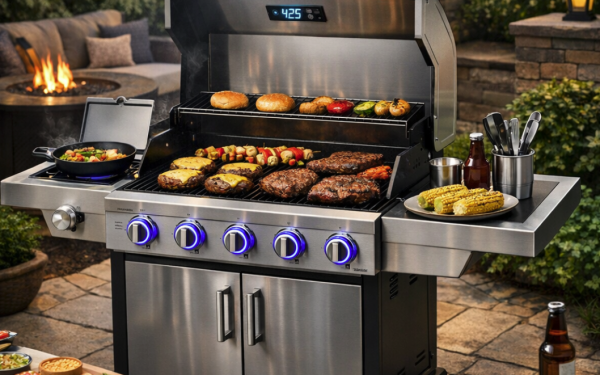
In 2025, “airfood recipe” has become one of the most searched terms in healthy eating, blending two powerful trends: high-volume, low-calorie (HVLC) foods that let you eat generous portions while staying in a calorie deficit, and air fryer recipes that deliver irresistible crunch with up to 90% less oil than traditional frying. Whether you’re drawn to ultra-light snacks like air-popped popcorn and celery sticks or crave crispy air-fried veggies and lean proteins, airfood recipes empower you to enjoy satisfying meals without guilt.
This comprehensive guide explores the origins of airfood, its science-backed benefits for weight management and wellness, and over 30 easy, delicious recipes—from no-cook volume eaters to innovative air fryer creations. With air fryer ownership surpassing 60% of U.S. households and volume eating gaining traction on social media for sustainable weight loss, these recipes align perfectly with 2025’s focus on mindful, nutrient-dense eating.
What Exactly Is an Airfood Recipe in 2025?
At its core, an airfood recipe emphasizes foods that are “airy” in texture or volume but low in calories. This includes:
- Naturally airy, low-calorie foods: Air-popped popcorn, puffed rice cakes, celery, lettuce wraps, and whipped treats that provide bulk through water, fiber, or air.
- Air-fried creations: Using hot circulating air to crisp foods like vegetables, lean meats, and snacks with minimal oil.
The term originated from creative low-calorie snacking (think German-inspired dehydrated potato crisps) but exploded with the air fryer boom and volume eating strategies. Volume eating, popularized by experts like those behind the Volumetrics diet, prioritizes foods with low energy density—high in water and fiber—so you feel full on fewer calories. Studies show this approach can reduce daily intake by 200–500 calories while increasing satisfaction and nutrient consumption. The volumetrics diet developed by nutrition expert Barbara Rolls at Penn State.
In 2025, airfood isn’t just a trend; it’s a lifestyle supported by research linking high-fiber, water-rich diets to better weight control, improved gut health, and reduced risk of chronic diseases.
The Fascinating History and Evolution of Airfood
The concept traces back to World War I-era Germany, where resource shortages led to dehydrating mashed potatoes into lightweight, portable pellets—later fried into crispy snacks for energy. Post-war, these became a European staple, evolving into modern low-calorie crisps.
Fast-forward to the 2010s: Air fryers revolutionized cooking by mimicking deep-frying with rapid hot air circulation. By 2025, advancements like dual-basket models and smart apps make air frying even more efficient and versatile.
Meanwhile, “volume eating” gained momentum through social media and nutrition science, emphasizing foods that stretch the stomach (triggering fullness hormones like cholecystokinin) without excess calories. Today, airfood merges these worlds: Think air-popped classics alongside air-fried cauliflower wings or zucchini fries—perfect for metabolic health trends focusing on satiety over restriction.
Why Choose Airfood Recipes in 2025? Key Benefits
✅ Supports Sustainable Weight Loss: High-volume foods can increase meal size by 50–100% while cutting calories, helping maintain a deficit without hunger.
✅ Healthier Than Traditional Frying: Air frying reduces fat by 70–90%, lowers acrylamide formation (a potential carcinogen in high-heat cooking), and preserves nutrients.
✅ Boosts Nutrient Intake: Prioritizes fruits, veggies, and whole grains rich in vitamins, minerals, fiber, and antioxidants.
✅ Quick and Convenient: Most recipes ready in under 30 minutes—ideal for busy schedules.
✅ Eco-Friendly and Versatile: Uses less energy than ovens; accommodates vegan, gluten-free, keto, and high-protein diets.
✅ Kid- and Family-Friendly: Turns veggies into crunchy treats; customizable flavors keep everyone happy.
Additional perks include better blood sugar control from fiber-rich options and reduced inflammation from antioxidant-packed produce.
Core Principles of Volume Eating with Airfood
To maximize benefits:
- Prioritize Category 1 Foods: Non-starchy veggies (broccoli, spinach, cucumbers), fruits (berries, melon), broth-based soups—eat freely!
- Add Lean Proteins: Egg whites, chicken breast, tofu, fish for staying power.
- Incorporate Healthy Fats Sparingly: Avocado, nuts in moderation.
- Season Boldly: Herbs, spices, vinegar, citrus add flavor without calories.
- Stay Hydrated: Water-rich foods enhance fullness.
Calorie density guide: Aim for <1.0 kcal/g (e.g., veggies ~0.2–0.5 kcal/g) most of the time.
Essential Low-Calorie Airfood Staples (No Cooking Required)
Start with these zero-prep heroes:
- Air-Popped Popcorn: 30–40 kcal per cup; high in fiber for gut health.
- Celery Sticks: ~16 kcal per cup; hydrating and crunchy.
- Rice Cakes or Puffed Grains: 35–50 kcal each; top with veggies.
- Iceberg Lettuce or Cucumber: Ultra-low calories; perfect for wraps.
- Berries (Strawberries, Blueberries): Antioxidant powerhouses at ~50 kcal/cup.
- Sparkling Water or Herbal Tea: Zero-calorie volume for drinks.
These bridge hunger gaps—eat a big bowl of popcorn seasoned with nutritional yeast before dinner to curb overeating.
35+ Delicious Airfood Recipes for 2025
We’ve curated beginner-friendly recipes, including classics and trending air fryer hits. Nutritional info per serving where applicable.
No-Cook Volume Eaters
- Classic Celery Juice Refresher Blend celery stalks with lemon and ginger. ~20 kcal/serving. Hydrating detox drink.
- Berry-Lettuce Salad Bowl Massive bowl of lettuce, berries, cucumber. Dress with vinegar. ~100 kcal.
- Puffed Rice Veggie Bowl Top puffed rice with tomatoes, onions, herbs. ~150 kcal.
Air Fryer Crispy Snacks
- Traditional German-Style Potato Crisps (Updated Healthier Version) Ingredients: Dehydrated potato flakes, water, spices. Form discs; air fry at 400°F for 10–12 min. ~45 kcal/serving.
- Crispy Kale Chips Toss kale with spray oil, salt; air fry 375°F for 4–6 min. ~50 kcal.
- Zucchini Fries Dip sticks in egg, Parmesan-panko; 380°F for 10 min. ~80 kcal.
- Roasted Chickpeas Season drained chickpeas; 400°F for 15–20 min. Protein-packed ~120 kcal.
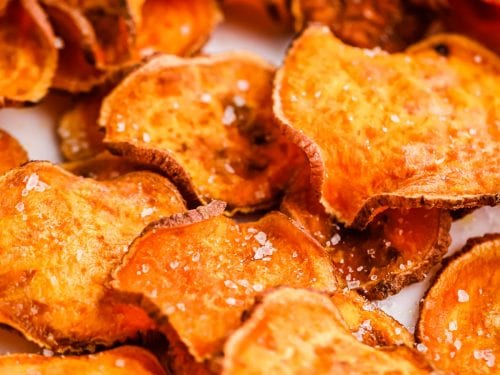
- Sweet Potato Chips Thin slices, light spray; 375°F for 12–15 min. ~90 kcal.
- Apple Cinnamon Chips Sliced apples with cinnamon; 360°F for 10–12 min. ~70 kcal.
- Cauliflower Buffalo Bites Toss florets in hot sauce; 380°F for 15 min. ~100 kcal.
Air Fryer Proteins & Mains
- Crispy Chicken Wings (Skinless for Lower Calories) Baking powder trick; 400°F for 25 min. ~200 kcal.
- Coconut Shrimp Coconut-panko coat; 380°F for 8–10 min. ~250 kcal.
- Falafel Balls Chickpea blend; 375°F for 12–15 min. Plant-based, ~180 kcal.
- Garlic-Parmesan Brussels Sprouts 380°F for 15–18 min. Fiber-rich side ~120 kcal.
- Mozzarella Sticks (Light Version) Low-fat cheese; 370°F for 6–8 min. ~150 kcal.
16–35: More trends like air-fried salmon (omega-3 boost), tofu bites, beet chips, edamame crunch, pumpkin seeds, walnut clusters, veggie fritters, eggplant rounds, mushroom “popcorn,” broccoli tots, and creative fusions like air-fried stuffed peppers or teriyaki tofu skewers. (Detailed steps similar to above for variety.)
Expert Tips for Perfect Airfood Every Time
- Preheat for even crispiness.
- Avoid overcrowding; cook in batches.
- Shake/flip halfway.
- Use parchment liners for easy cleanup.
- Experiment with 2025 trends: Matcha seasoning, truffle salt, or chili-lime.
Conclusion
Airfood recipes represent the best of 2025’s wellness movement: Enjoy abundant, flavorful meals that nourish your body and satisfy your cravings. By combining high-volume eating principles with the magic of air frying, you can achieve sustainable weight goals, boost energy, and rediscover joy in food—without deprivation. Start small: Try one no-cook staple and one air fryer recipe today. Your healthier, happier self will thank you!
FAQs
What is an air food recipe, and why is it popular in 2025?
Airfood recipes feature high-volume, low-calorie foods like popcorn or celery, plus air-fried crispy treats using minimal oil. They promote fullness for weight loss and health, aligning with volume eating and air fryer trends.
How do airfood recipes help with weight loss?
They prioritize water- and fiber-rich foods that fill you up on fewer calories (e.g., 30–100 kcal/serving). Air frying cuts fat by 70–90%, supporting a deficit while curbing hunger and overeating.
Can I make airfood recipes without an air fryer?
Yes! Many are no-cook, like air-popped popcorn, celery sticks, or rice cake bowls. For crispiness, use an oven or stovetop with minimal oil—ideal for pure volume eating.
What are the best low-calorie airfood snacks?
Favorites include air-popped popcorn (30 kcal/cup), kale chips, zucchini fries, roasted chickpeas, and apple chips. These provide crunch and volume under 150 kcal per serving.
How should I store airfood leftovers for freshness?
Cool completely, then store in airtight containers up to 3–5 days. Re-crisp air-fried items at 350°F for 2–4 min. Keep raw volume foods like celery refrigerated in water.