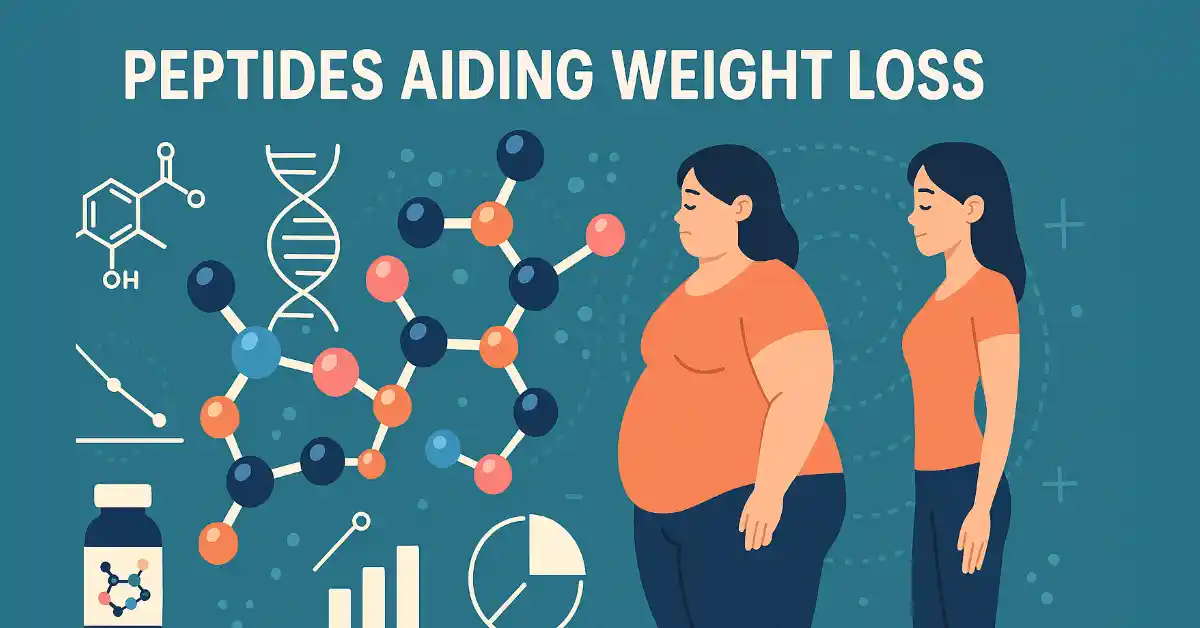
In the ever-evolving landscape of weight loss , peptides have emerged as a promising avenue for those seeking effective and innovative solutions. These tiny protein fragments are key to unlocking our body’s potential to shed those stubborn pounds. This article delves into peptides, exploring their mechanisms, benefits, and potential drawbacks in weight loss.
By 2026, the peptide therapeutics market has surged to over $50 billion globally, driven by advancements in GLP-1 agonists and growing demand for targeted obesity treatments. Recent studies, including 2025 meta-analyses, confirm their efficacy in achieving 15-20% body weight reduction when combined with lifestyle changes, but regulatory scrutiny on compounded versions highlights the need for caution.
Modern society’s growing concern about health and appearance has increased the demand for innovative weight loss methods. Once confined to scientific research, Peptides have risen to the forefront as potential game-changers.
Understanding Peptides
What Are Peptides?
Peptides are short chains of amino acids, the building blocks of proteins. They play a crucial role in various physiological functions within the body.
In 2026, peptides are classified into categories like growth hormone-releasing peptides (GHRPs) and glucagon-like peptide-1 (GLP-1) agonists, with the latter dominating weight loss due to their mimicry of natural gut hormones.
How Do They Work?
Peptides interact with specific receptors in the body, initiating various biological responses. In the context of weight loss, certain peptides can target receptors that influence appetite, metabolism, and fat breakdown.
Advances in nanotechnology by 2026 enhance bioavailability, allowing oral formulations for some peptides, reducing reliance on injections.
The Role of Peptides in Weight Loss
Appetite Regulation
Peptides can regulate appetite by affecting hormones like ghrelin and leptin. By modulating these hormones, peptides help control hunger and prevent overeating.
GLP-1 peptides like Semaglutide delay gastric emptying, promoting satiety; 2025 trials show reduced calorie intake by 20-30%.
Fat Metabolism
Certain peptides stimulate the breakdown of stored fat and encourage the body to use it for energy. This process, known as lipolysis, contributes to fat loss.
Tirzepatide enhances this via dual GIP/GLP-1 action, leading to visceral fat reductions in studies.
Muscle Preservation
During weight loss, preserving lean muscle mass is crucial. Peptides can support muscle retention, preventing the loss of muscle tissue while shedding excess fat.
This is vital for metabolic health; 2026 research links muscle-sparing effects to sustained weight maintenance post-treatment.
Emerging Roles: Metabolic and Hormonal Optimization
Peptides now target insulin sensitivity and brown fat activation, with 2025 studies showing improved energy expenditure.
Popular Peptides for Weight Loss
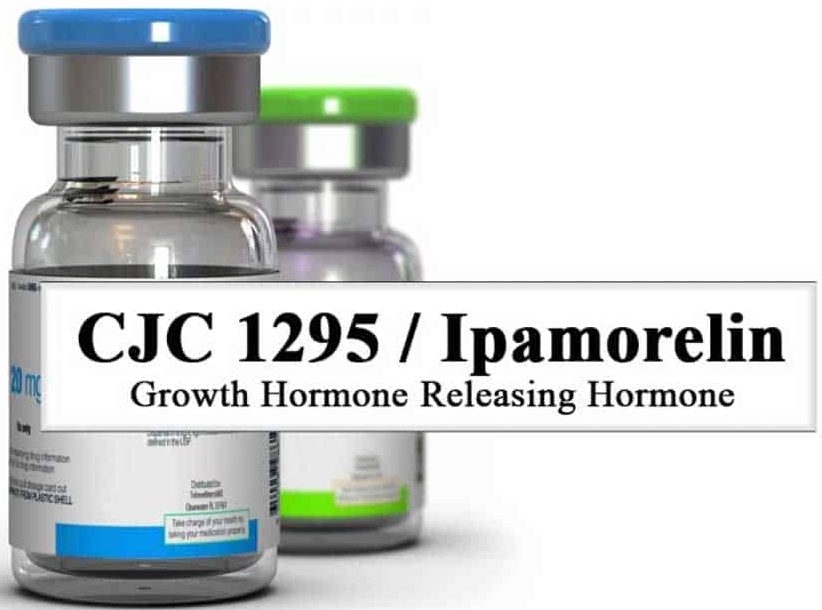
CJC-1295
CJC-1295 promotes the release of growth hormone, enhancing fat metabolism and muscle growth. It also aids in improving sleep and recovery.
Ipamorelin
Ipamorelin stimulates the release of growth hormones without affecting cortisol levels. This makes it effective for fat loss without the downsides of increased stress hormones.
Melanotan II
Melanotan II not only aids in weight loss but also increases melanin production, resulting in a tanned appearance. It can indirectly support weight loss by boosting confidence.
New Additions in 2026: GLP-1 Agonists and Beyond
Semaglutide (e.g., Ozempic/Wegovy) mimics GLP-1 for appetite control, with STEP trials showing 15% average loss. Tirzepatide (Mounjaro) combines GLP-1/GIP, achieving 20%+ loss in SURMOUNT. AOD-9604 targets lipolysis; BPC-157 aids gut health for indirect benefits.
Incorporating Peptides into Your Weight Loss Journey
Consultation with a Healthcare Professional
Before starting any peptide regimen, consulting a healthcare provider is essential. They can assess your suitability, guide peptide selection, and monitor your progress.
In 2026, telehealth platforms offer personalized plans, but FDA warns against unverified compounded sources.
Dosage and Administration
Peptides are typically administered through injections. Proper dosage and administration techniques are vital to ensure safety and efficacy.
Oral options emerge for GLP-1s, with weekly dosing common.
Complementary Lifestyle Changes
While peptides offer assistance, they are most effective with a healthy diet and regular exercise.
Integrate with apps for tracking; 2025 data shows combined approaches double success rates.

Short-term vs. Long-term Effects
Limited research exists on the long-term effects of peptide use. Short-term side effects may include injection site reactions or temporary hormonal fluctuations.
2025 updates note GI issues (nausea) for GLP-1s; long-term risks include thyroid concerns, per FDA.
Individual Variability
Peptide responses can vary widely between individuals. What works for one person may have different effects on another.
Genetic testing in 2026 helps predict responses.
Regulatory Landscape in 2026
FDA approvals limit to prescription; compounded peptides face bans for safety.
Success Stories: Real People, Real Results
Numerous individuals have reported positive outcomes with peptide-assisted weight loss. These stories inspire and motivate others embarking on their weight loss journeys.
Reddit threads in 2026 share 50-100lb losses with Semaglutide, but note rebound if discontinued.

The Future of Peptide-based Weight Loss Solutions
As research continues, the potential of peptides in weight loss remains exciting. Their targeted approach and minimal side effects make them an intriguing prospect.
By 2030, AI-personalized peptides and oral biosimilars could dominate, per market forecasts.
Recent Studies and Efficacy Data
2025 PubMed reviews confirm peptides’ role in obesity; STEP/SURMOUNT trials validate sustained loss.
Debunking Myths and Misconceptions
Peptides vs. Steroids
Peptides are often mistakenly associated with steroids. Unlike steroids, peptides work in harmony with the body’s natural processes.
Sustainable Weight Loss
Peptides are not a magic solution. Sustainable weight loss still requires dedication to a healthy lifestyle.
Additional Myths: Hype vs. Reality
Not all peptides are FDA-approved; compounded risks scams. Diet remains key, per 2026 reviews.
Ethical Considerations
Booming market raises access issues; ethical use emphasizes medical oversight.
Conclusion
Peptides represent a captivating frontier in the realm of weight loss. Their ability to modulate appetite , metabolism, and fat utilization has garnered attention. However, informed and responsible usage, alongside lifestyle adjustments, are vital for lasting success.
In 2026, with GLP-1 advancements, peptides offer targeted solutions, but prioritize safety and sustainability for optimal results.
FAQs
What are the best peptides for weight loss in 2026?
Semaglutide and Tirzepatide lead, with 15-20% body weight loss in trials. CJC-1295 and Ipamorelin support fat metabolism. Consult pros for personalized, FDA-approved options amid compounded risks.
Are peptides safe for long-term weight loss?
Short-term effects include nausea; long-term risks like thyroid issues per FDA. 2025 studies show efficacy but variability; medical supervision essential, not replacements for diet/exercise.
How do peptides like Semaglutide work for fat loss?
They mimic GLP-1 to regulate appetite, slow digestion, boost insulin. STEP trials confirm 15% loss; combine with lifestyle for sustainability in 2026 trends.
What new peptides emerged for weight loss by 2026?
Tirzepatide (dual GLP-1/GIP) achieves 20%+ loss; AOD-9604 targets lipolysis. Market hits $50B, but ethical use and telehealth access key per regulations.
Can peptides replace diet and exercise?
No; 2026 reviews emphasize complementarity. Peptides enhance results, but sustainable loss requires habits; hype fades without them, per real-user stories.
Disclaimer: This article is for informational purposes only and not medical advice. Peptides for weight loss involve risks; consult a healthcare professional before use. Efficacy varies, and unapproved compounds may be unsafe. Not endorsed for off-label applications.