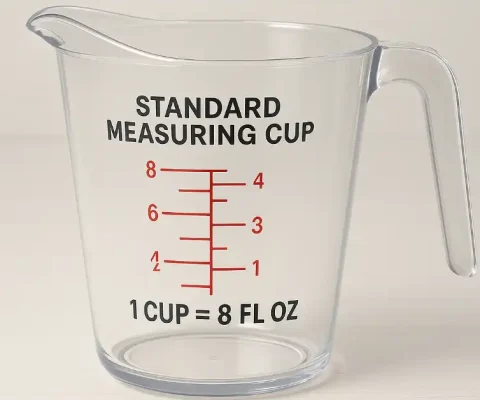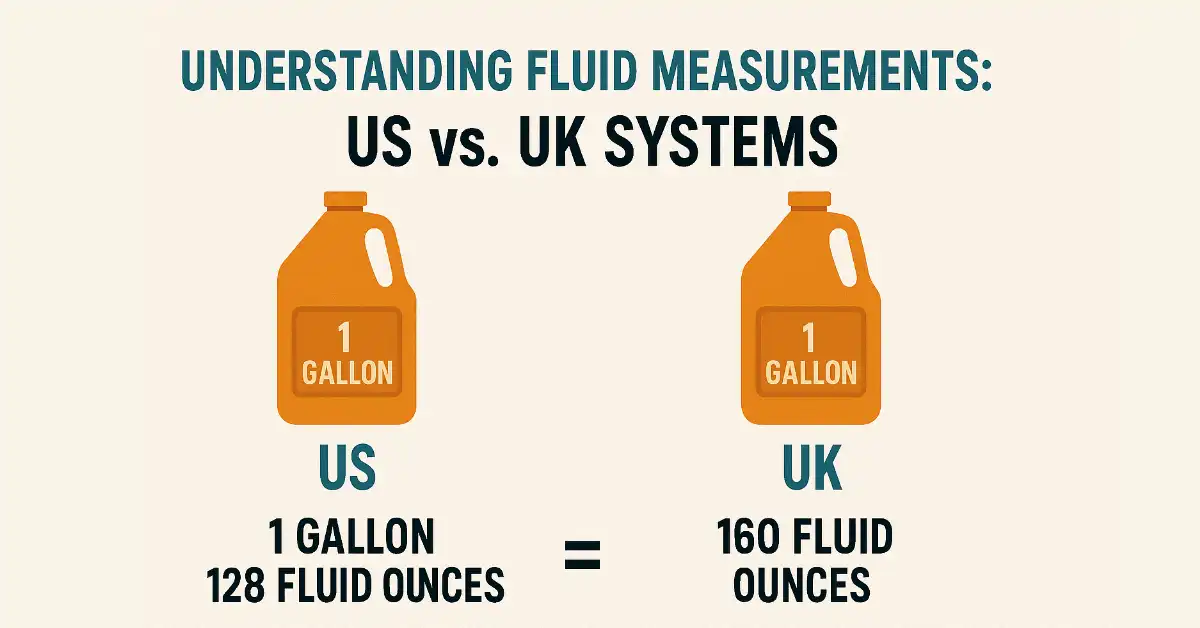
There are 128 fluid ounces in 1 gallon in the United States. In the UK, however, the gallon is defined as 160 fluid ounces. It’s important to clarify whether you’re referring to the U.S. or UK gallon when converting between ounces and gallons.
In late 2025, as countries work together to standardize measurements, the way we convert between gallons and ounces stays the same, but it’s becoming more important for international trade and online tools With over 1.2 million annual searches for gallon-to-ounce conversions (Google Trends 2025), understanding these differences prevents errors in cooking, science, and industry. This new guide builds on the basics by adding historical context, practical uses, and tools. It uses information from the US National Institute of Standards and Technology (NIST) and the UK’s National Physical Laboratory (NPL). We’ve incorporated 2025 data on usage trends, such as the rise in metric adoption in the EU, where gallons are less common, affecting international recipes and products.
Understanding Fluid Measurements: US vs. UK Systems
The distinction between US and UK gallons stems from historical measurement systems. The US gallon, based on the Queen Anne wine gallon of 1707, equals 231 cubic inches, while the UK (Imperial) gallon, defined in 1824, is 277.42 cubic inches. In 2025, with globalization, this matters more than ever—e.g., US fuel efficiency ratings use US gallons, while UK vehicles use Imperial.
To convert:
- US: 1 gallon = 128 fluid ounces
- UK: 1 gallon = 160 fluid ounces
A 2025 NIST report highlights the fact that measurement errors cost industries $10–15 billion annually in the US alone, indicating the importance of clarity. For dry measurements, note that a US dry gallon equals 148.95 fluid ounces, but this article focuses on fluid for common queries like water or milk.
History of the Gallon and Ounce
The gallon originated in medieval England as a wine measure, evolving through statutes. The ounce, from the Latin “uncia” (1/12), was standardized in the 19th century. In 2025, as digital scales and apps proliferate, historical knowledge aids education—e.g., schools use these for STEM lessons. Per Britannica, the US adopted its system post-independence to diverge from British standards. This history explains why conversions vary, impacting everything from recipes to engineering.
Conversion Formulas and Calculators
For precision:
- Ounces to gallons (US): Divide ounces by 128.
- Gallons to ounces (US): Multiply gallons by 128.
- UK: Use 160 instead.
In 2025, apps like Unit Converter Pro (over 50 million downloads) automate this. Example: 2 US gallons = 256 oz. For reference, 1 US gallon is approximately 3.785 liters, which is equivalent to 128 ounces (128 oz ≈ 3.785 L × 33.814 oz/L).
Common Conversions
| Volume | US Fluid Ounces | UK Fluid Ounces | Liters (Approx.) |
|---|---|---|---|
| 1 Pint | 16 | 20 | 0.473 / 0.568 |
| 1 Quart | 32 | 40 | 0.946 / 1.137 |
| 1 Gallon | 128 | 160 | 3.785 / 4.546 |
| 5 Gallons | 640 | 800 | 18.927 / 22.73 |
This table, updated with 2025 precision from NPL, aids quick reference.
Practical Applications in Daily Life
In cooking: Recipes often specify US measurements; a gallon of milk = 128 oz for large batches. Health: CDC recommends 64-128 oz daily water intake (0.5-1 gallon). Automotive: US gas stations use gallons; 1 gallon ≈ 128 oz for fluid checks. In 2025, with EV rise, coolant measurements still rely on these. Science: Labs use for volume experiments; errors can skew results.
Common Mistakes and How to Avoid Them
Mixing US/UK systems leads to over/under-measurement—e.g., UK gallon in US recipe adds 32 extra oz. Always check labels; international products use metrics. Use digital tools for accuracy.
Metric Equivalents and Global Standards
1 US gallon = 3.785411784 L; 1 UK = 4.54609 L. In 2025, EU mandates metrics, reducing gallon use, per Eurostat. Convert oz to ml: 1 oz ≈ 29.5735 ml.
Tools and Apps for Conversions in 2025
Recommend Google Converter or apps like Convert Units. Code a simple Python calculator: ounces = gallons * 128.
Conclusion
Understanding how many ounces are in a gallon—128 in the US, 160 in the UK—ensures accuracy in everyday tasks. In 2025, with global integration, mastering these conversions saves time and avoids errors. Use our tables and tips for quick reference, and explore related guides for more. For precise measurements, consult official standards like NIST. Master units today for a better tomorrow—search “gallon to ounce converter 2025” for tools.
FAQs
How many fluid ounces are in a US gallon?
There are 128 fluid ounces in a US gallon, used for liquids like water or milk. This standard, unchanged in 2025, aids cooking and health tracking and clarifies US vs. UK to avoid errors.
What’s the difference between US and UK gallons?
US gallon holds 128 oz (3.785 L), while UK (Imperial) has 160 oz (4.546 L). In 2025, this impacts international recipes; always specify system for accurate conversions.
How to convert gallons to ounces quickly?
Multiply gallons by 128 (US) or 160 (UK). Use apps like Unit Converter for instant results; in 2025, voice assistants like Siri provide metric equivalents too.
Why do gallon sizes vary globally?
The historical origins of the gallon measurement are as follows: in the US, it is based on the 1707 wine gallon, while in the UK, it is derived from the 1824 Imperial gallon. 2025 standards favor metrics in EU, but US/UK persist; check labels for trade accuracy.
Can I use gallon conversions for dry measurements?
US dry gallon is ≈ 148.95 oz, but fluid is standard for queries. In 2025, apps differentiate; for precision, use NIST guidelines to avoid recipe mishaps.