
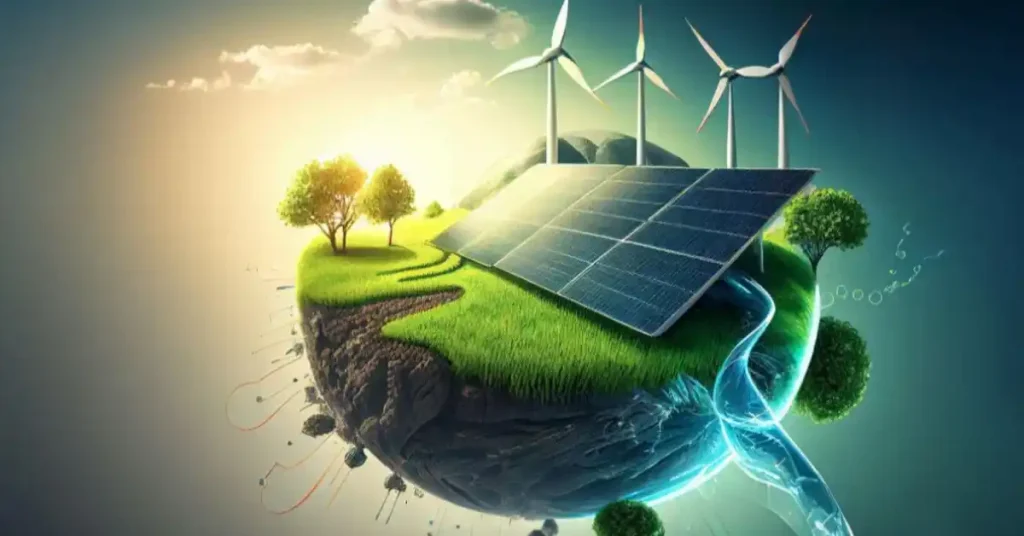

Energy needs are growing across homes, businesses and industries. At the same time, concerns about climate change, fuel costs and long-term availability of resources are becoming harder to ignore. This has led to a clear shift in how power is produced and consumed. Instead of relying only on conventional sources, many organisations and governments are turning to cleaner alternatives.
At the centre of this shift are renewable energy systems. These systems use natural sources like sunlight and wind to generate power in a more responsible way. What makes them truly effective today is not just the energy source, but the modern technology that supports generation, storage and distribution.
According to media reports, India added over 44 GW of renewable energy capacity in 2025, driven mainly by solar and wind projects, highlighting the rapid adoption of clean power technologies.
Understanding Renewable Energy Systems In Simple Terms
Renewable energy systems are designed to produce electricity using sources that naturally replenish over time. Solar panels convert sunlight into power. Wind turbines use air movement to generate electricity. Unlike fossil fuels, these sources do not run out with use.
Earlier, such systems were seen as limited or unreliable. Output depended heavily on weather conditions, and efficiency was lower. Today, technology has changed that picture. Modern systems are smarter, more stable and capable of supporting large-scale energy needs.
Technology Has Improved Efficiency And Reliability
One of the biggest changes in renewable energy has been the improvement in efficiency. Solar panels today can capture more energy from the same amount of sunlight. Wind turbines are designed to operate effectively even at lower wind speeds.
Advanced monitoring tools now track performance in real time. If a system is not working at its best, issues can be identified and addressed quickly. This reduces downtime and improves overall output. As a result, renewable power has become more dependable for both industrial and utility-scale use.
Energy Storage Has Strengthened Renewable Power
A common concern with renewable sources is availability. The sun does not shine all the time. Wind patterns change. This is where energy storage plays a crucial role.
Modern battery systems store excess energy produced during peak generation. This stored power can be used later when production is low. With better storage solutions, renewable energy can support a consistent supply rather than only daytime or high-wind use.
This development has made renewable setups practical for continuous operations, including manufacturing facilities, offices and large infrastructure projects.
Digital Tools Are Making Systems Smarter
Digital technology has become an important part of energy management. Smart sensors, automation software and data analytics now support renewable installations.
These tools help operators predict output, manage loads and balance supply with demand. They also support grid integration, ensuring renewable power works smoothly alongside conventional energy sources. This level of control was not possible earlier and has made renewable systems easier to manage at scale.
Lower Environmental Impact With Long-Term Benefits
Renewable energy reduces dependence on fossil fuels and lowers carbon emissions. Over time, this helps improve air quality and reduce environmental damage.
Beyond environmental benefits, renewable systems also offer long-term cost stability. Once installed, operating costs are lower since fuel is free. This makes energy planning more predictable, especially for businesses that depend on a steady power supply.
Large-Scale Projects Need Integrated Execution
Building renewable infrastructure is not just about installing panels or turbines. It involves planning, land assessment, grid connection and long-term maintenance.
This is why experienced energy solution providers matter. Companies with a strong background in engineering and large-scale execution understand how to align technology, safety and performance. Leading companies like Hero Future Energies, a global renewable energy developer, known for their work in clean power development, follow this integrated approach to support reliable renewable projects.
Supporting Economic Growth And Energy Independence
Renewable energy projects create local employment and support skill development. They also reduce dependence on imported fuels, which improves energy security.
As more regions invest in renewable power, energy becomes more decentralised. This reduces pressure on traditional grids and helps communities become more self-reliant.
The Future Of Renewable Energy Systems
The future points toward further innovation. Research continues to improve panel efficiency, battery life and system integration. Hybrid systems that combine solar, wind and storage are becoming more common.
As technology evolves, renewable energy systems will continue to scale and adapt. They will support not just power generation but also smart cities, electric mobility and industrial transformation.
Conclusion
Modern energy challenges need practical and forward-looking solutions. Renewable energy systems, supported by advanced technologies, offer a clear path toward cleaner and more reliable power.
With better efficiency, smarter management and improved storage, renewable energy is no longer a secondary option. It is becoming a core part of global energy planning. As adoption grows, these systems will play a key role in building a sustainable future that balances progress with responsibility.
FAQs
What are renewable energy systems and how do they work?
Renewable energy systems generate electricity from natural, replenishing sources like sunlight via solar panels and air movement through wind turbines. Unlike fossil fuels, they are sustainable. Modern tech enhances efficiency, with storage batteries addressing intermittency for consistent power in homes, businesses, and industries. India’s 2025 addition of 44 GW capacity highlights growth.
How has technology improved the efficiency and reliability of renewable energy?
Advancements include solar panels capturing more sunlight and wind turbines operating at lower speeds. Real-time monitoring tools minimize downtime, while digital sensors and automation software predict output, manage loads, and integrate with grids for stable supply, overcoming historical limitations like weather dependency.
What are the key benefits of adopting renewable energy systems?
They reduce fossil fuel reliance, lower carbon emissions, improve air quality, and offer cost stability with low operating expenses. Economically, they create jobs, boost skills, and enhance energy independence by minimizing imports. Operationally, they support decentralized power and consistent supply via storage.
What challenges do renewable energy systems face, and how to address them?
Main challenges include intermittency from weather variability and complexity in large-scale implementation like land assessment and grid connection. Address via advanced storage batteries for steady power, integrated planning, and partnering with experts like Hero Future Energies for maintenance and execution.
What does the future hold for renewable energy systems?
Innovations will boost panel efficiency, battery life, and system integration. Hybrid solar-wind-storage setups will rise, supporting smart cities, electric mobility, and industrial shifts. As adoption grows, renewables will centralize in global energy plans for sustainable, balanced progress.