
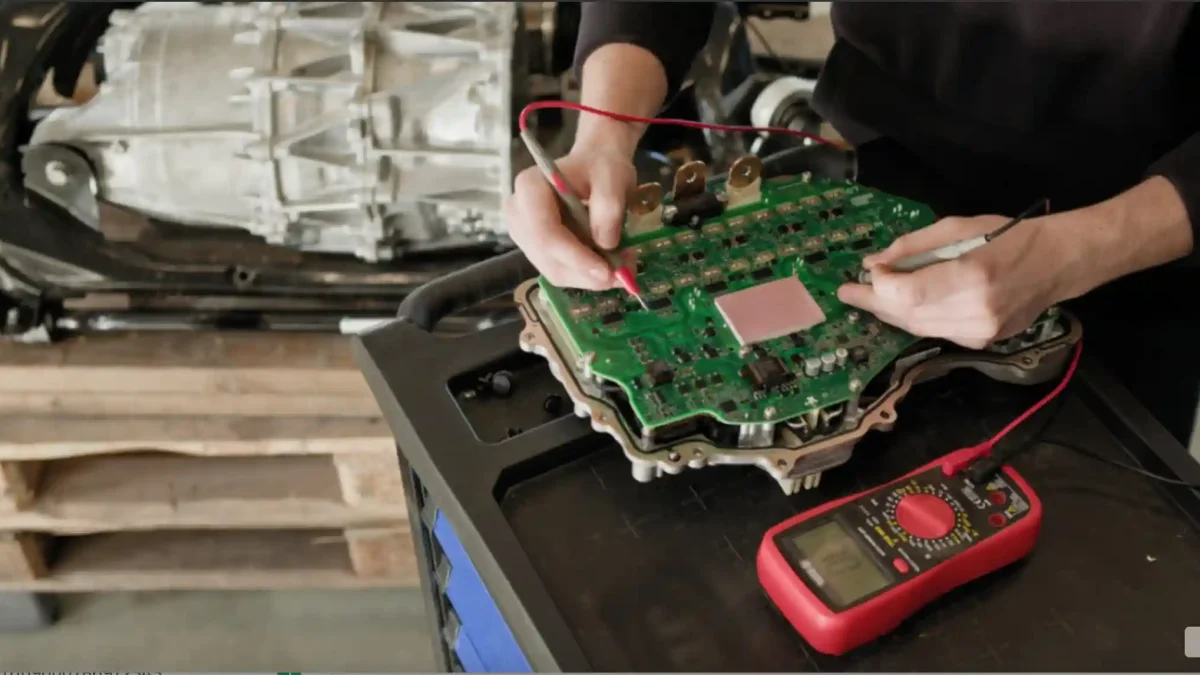
Electrical systems are becoming more complex as businesses, utilities, and consumers are demanding more power, greater efficiency, and smarter infrastructure. At the same time, safety remains a top concern as electrical loads increase and new technologies reshape how power is generated, distributed, and consumed. In response, manufacturers, regulators, and engineers are rethinking how electrical technology is designed and deployed. Looking ahead to 2026 and beyond, several key trends show how the industry is adapting to reduce risk and protect people, property, and critical assets.
Smarter Detection and Prevention of Electrical Fires
Electrical fires remain a serious safety concern in commercial and industrial environments, often caused by faulty wiring, overloaded circuits, and aging infrastructure. U.S. commercial properties experience an estimated 33,000 electrical fires each year, according to Cleanfax, highlighting the ongoing need for better prevention methods.
To address this risk, modern electrical systems increasingly rely on smart circuit breakers, arc-fault detection devices, and real-time monitoring software. These technologies track current flow, temperature changes, and abnormal electrical activity to identify hazards early. Rather than responding after a failure, building managers can take proactive steps such as maintenance or system shutdowns.
Artificial intelligence further supports prevention efforts by analyzing performance data to predict potential component failures. As these tools become more affordable and widely adopted, they are expected to play a key role in reducing electrical fire incidents in both new and existing facilities.
Improved Protection Against High-Voltage Injuries
High-voltage systems are critical for powering data centers, manufacturing facilities, and large-scale infrastructure, but they also present significant safety risks. Despite improved training and regulations, high-voltage incidents still result in approximately 400 electrical injuries each year, according to research cited by the National Center for Biotechnology Information.
To reduce exposure, newer electrical equipment is being designed with safeguards such as insulated switchgear, touch-safe connectors, and automated grounding systems. Robotics and remote-controlled tools further improve safety by limiting direct contact with energized components during inspections and maintenance.
Wearable safety technology is also gaining adoption. Smart protective gear can detect proximity to live equipment, monitor worker conditions, and issue real-time alerts. Together, these innovations are helping make high-voltage environments safer as standards and technology continue to advance.
Safer Integration of Renewable Energy Systems
The rapid growth of renewable energy is reshaping the electrical landscape and introducing new safety considerations. Solar power is expanding quickly, and it could become the largest single source of electrical generation capacity in the United States by 2050, according to This Old House. As this transition accelerates, safe integration of renewable systems remains a priority.
Unlike traditional centralized power plants, solar installations are often distributed across rooftops, commercial sites, and utility-scale farms. This decentralization increases grid complexity and introduces electrical hazards such as backfeed risks during outages. To address these challenges, manufacturers are developing smarter inverters, rapid shutdown systems, and advanced disconnect mechanisms that improve safety for installers, maintenance crews, and first responders.
Grid operators are also investing in enhanced control systems that balance variable renewable output while maintaining stable voltage and frequency levels. These technologies help prevent overloads and reduce the likelihood of equipment damage or electrical accidents.
As electrical demand continues to rise this year, safety innovation is no longer optional. From intelligent fire prevention systems to advanced protection for high-voltage work and safer renewable energy integration, electrical technology is rapidly evolving to address both longstanding and emerging risks. Beyond 2026, these advancements will not only reduce injuries and property damage but also build greater confidence in the systems that power modern life. For businesses, utilities, and consumers alike, investing in safer electrical technology is becoming a fundamental part of future-ready infrastructure.
FAQs
What are the latest statistics on electrical fires in the US for 2026?
As of 2026, NFPA reports around 51,000 home and commercial electrical fires annually, up 6% over the decade, causing 500 deaths and $1.3B in damage. Smart detection tech reduces risks by 20-30% in updated systems.
How is technology reducing high-voltage injuries in 2026?
2026 tech like wearables, robotics, and AR glasses cut high-voltage injuries by 18-40%, with ESFI noting 130-150 annual fatalities. Automated systems limit exposure, vital in data centers and utilities.
What are projections for solar power growth in the US by 2026?
EIA forecasts 70 GW of new solar capacity by 2027, a 49% increase, making it the top generation source. Safer inverters and microgrids address integration risks for distributed systems.
What emerging electrical safety trends should businesses watch in 2026?
Key trends include AI predictive monitoring, NFPA updates, and 5G-integrated wearables. These reduce fires and injuries by 15-35%, with focus on renewables and data centers for resilient infrastructure.
How does Florida’s location impact electrical safety adaptations in 2026?
In storm-prone Florida, 2026 adaptations like hurricane-resilient grids and auto-isolate tech cut outage fires by 15-25%. Miami’s solar boom drives safer DER integration amid growing demand.
About This Content
