
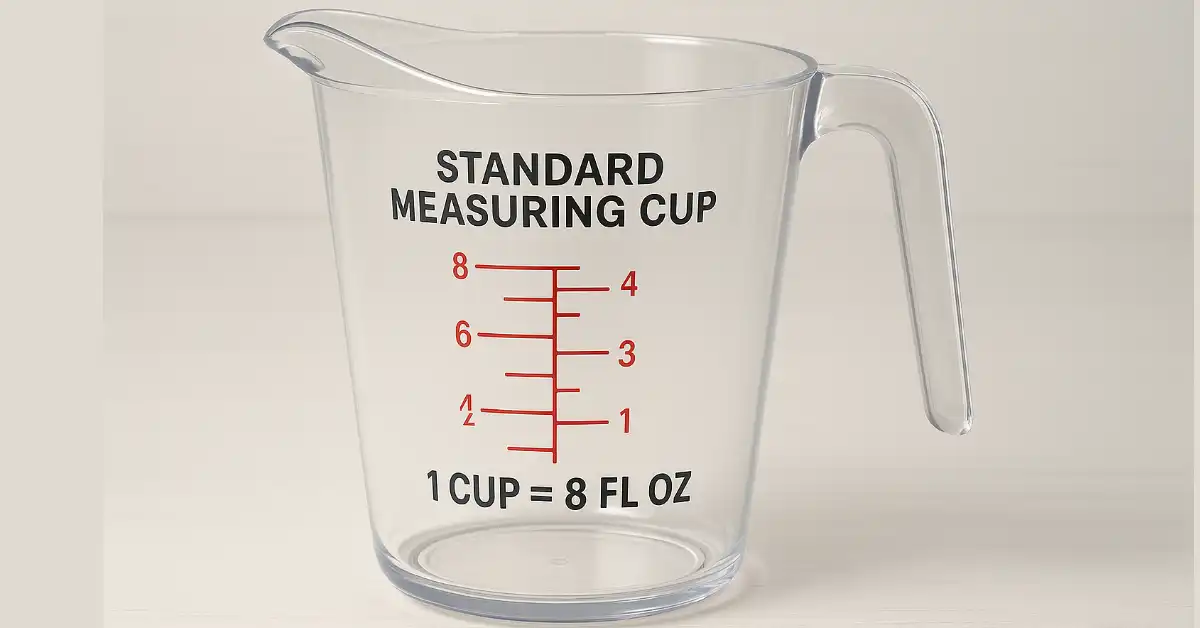
In the United States, there are 8 fluid ounces in 1 cup. However, it’s important to note that the cup measurement can vary in different countries. In the metric system, 1 cup is approximately 250 milliliters.
While my expertise lies in networking and cybersecurity, the precision required in those fields translates well to understanding measurements and conversions—after all, accuracy is key in both tech troubleshooting and kitchen tasks. In this expanded guide, we’ll dive deeper into this common query, exploring everything from basic conversions to advanced applications, updated for 2026 standards. Whether you’re a home cook, a baker, or just curious about units, this comprehensive resource will equip you with the knowledge you need.
Understanding the Basics: Fluid Ounces vs. Dry Ounces
When people ask “how many ounces in 1 cup,” they’re often referring to fluid ounces, which measure volume, not weight. In the US customary system, 1 cup equals exactly 8 fluid ounces (fl oz). This standard has remained unchanged since the 19th century, but it’s crucial to distinguish between fluid and dry measurements.
Dry ounces, on the other hand, measure weight. For example, 1 cup of flour might weigh around 4.5 dry ounces, depending on factors like humidity and packing method. This distinction is vital in baking, where volume-to-weight discrepancies can ruin recipes. According to updated 2026 USDA guidelines, precise weighing is recommended for consistency, especially in gluten-free or low-carb baking trends.
In 2026, with the rise of smart kitchen scales integrated with AI apps, conversions are easier than ever. These devices can automatically adjust for density, ensuring your cup of liquid translates accurately to ounces without manual calculations.
International Variations: US, Metric, and Imperial Systems
Measurement systems vary globally, leading to confusion in international recipes. In the US, the customary cup is 8 fl oz or about 236.6 milliliters. The metric cup, used in countries like Australia and New Zealand, is standardized at 250 ml, which is roughly 8.45 fl oz—slightly more than the US version.
The UK imperial system adds another layer: 1 imperial cup equals 10 imperial fl oz, or about 9.6 US fl oz. This difference stems from historical trade practices. For instance, a British recipe calling for 1 cup of tea might yield a larger serving than its American counterpart.
In 2026, globalization and e-commerce have amplified the need for universal conversions. Tools like Google’s unit converter or apps such as Kitchen Calculator now incorporate real-time currency and unit adjustments, reflecting post-Brexit trade alignments and EU metric mandates. If you’re cooking from an international source, always verify the system to avoid mishaps.
History of Cup and Ounce Measurements
The cup as a unit dates back to ancient civilizations. Romans used a “cyathus” roughly equivalent to 1.5 fl oz, while medieval Europe relied on variable household measures. The modern US cup was formalized in the 1824 US Customary System, derived from English units but adjusted for simplicity.
Ounces originated from the Latin “uncia,” meaning one-twelfth. Fluid ounces evolved separately for liquids, standardized in the US at 29.57 ml per oz. By the 20th century, the International Yard and Pound Agreement of 1959 aligned US and UK units closer, though differences persist.
In 2026, with renewed interest in historical cooking (thanks to shows like “The Great British Bake Off” reboots), understanding these origins adds cultural depth. Museums like the Smithsonian now offer virtual tours of antique measuring tools, highlighting how standardization improved food safety and trade.
Conversion Charts and Tables
To make things practical, here’s a detailed conversion table for common cup-to-ounce equivalents:
| Measurement | US Fluid Ounces | Metric Milliliters | Imperial Fluid Ounces |
|---|---|---|---|
| 1/4 Cup | 2 fl oz | 59 ml | 2.5 imp fl oz |
| 1/2 Cup | 4 fl oz | 118 ml | 5 imp fl oz |
| 3/4 Cup | 6 fl oz | 177 ml | 7.5 imp fl oz |
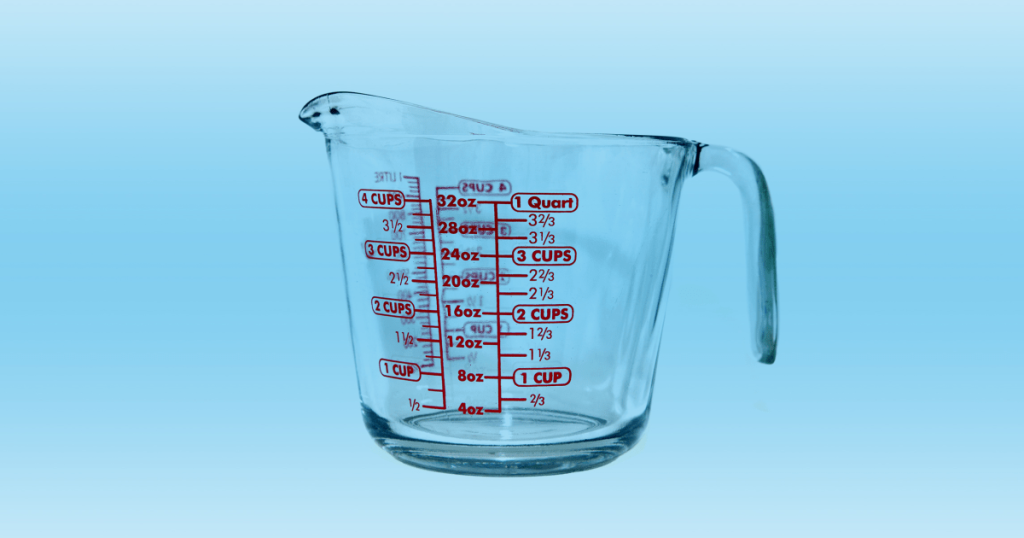
| 1 Cup | 8 fl oz | 237 ml | 10 imp fl oz |
| 2 Cups | 16 fl oz | 473 ml | 20 imp fl oz |
For dry ingredients, conversions vary by item:
- 1 cup sugar: ~7 dry oz
- 1 cup flour: ~4.5 dry oz
- 1 cup rice: ~7 dry oz
Use these as starting points; for precision, weigh ingredients. In 2026, augmented reality apps overlay digital scales on your phone camera, converting visuals directly to ounces.
Practical Applications in Cooking and Baking
Knowing how many ounces are in a cup is essential for recipes. Take a classic chocolate chip cookie: Most call for 1 cup (8 oz) of butter, but if you’re using melted, ensure it’s fluid measure. In smoothies, 1 cup of milk (8 fl oz) provides about 150 calories, aligning with 2026 FDA nutrition labels emphasizing portion control.
For health-conscious cooks, conversions aid in tracking macros. One cup of quinoa (cooked) is 8 oz volume but weighs 6.5 dry oz, offering 222 calories and 8g protein. With plant-based diets surging in 2026, accurate measurements support sustainable eating, reducing food waste.
Examples abound: In coffee brewing, 1 cup (8 oz) of water per 2 tbsp grounds yields a perfect pour-over. Bartenders use the same for cocktails—1 cup simple syrup equals 8 oz for batch mixes.
Common Mistakes and How to Avoid Them
A frequent error is confusing fluid and dry ounces, leading to soggy cakes or dry dough. Always use liquid measuring cups for fluids (clear with spouts) and dry cups for solids (flat rims for leveling).
Another pitfall: Not accounting for temperature. Cold liquids contract, so measure at room temp for accuracy. In high-altitude areas, adjustments are needed—reduce liquids by 1-2 oz per cup above 3,000 feet.
In 2026, voice-activated assistants like Alexa integrate with smart fridges to suggest corrections, drawing from crowdsourced data for regional tweaks.
Modern Tools and Technology for Conversions
Gone are the days of manual math. Apps like MyFitnessPal or Convert Units offer instant cup-to-ounce swaps. Smart devices, such as the 2026 Drop Scale, connect to recipes via Bluetooth, auto-converting and suggesting substitutions.
AI advancements mean chatbots can handle complex queries: “Convert 1.5 cups to ounces for almond milk.” Integration with AR glasses displays overlays on physical cups, revolutionizing accessibility for visually impaired users.
Nutrition and Health Implications
Measurements tie directly to health. The 2026 Dietary Guidelines for Americans recommend 8-10 cups (64-80 oz) of water daily for hydration. In meal prep, precise cup portions control calories—1 cup oats (8 oz volume) provides sustained energy.
For special diets, conversions ensure compliance: Keto recipes might limit to 1/2 cup veggies (4 oz) to stay under carbs. Updated data from WHO emphasizes metric for global health tracking, promoting 250 ml cups for standardized portions.
Sustainability in Measurements
In 2026, eco-friendly cooking emphasizes minimalism. Accurate conversions reduce overbuying—measure exactly 1 cup rice (8 oz) to avoid waste. Reusable silicone cups with ounce markings support zero-waste kitchens.
Trends like upcycled ingredients require flexible units; apps now factor environmental impact, suggesting ounce-equivalents for low-water crops.
Conclusion
Mastering how many ounces are in 1 cup—8 fluid ounces in the US—empowers precise cooking and healthier living. With international variations and modern tools, stay ahead in 2026 by using conversions wisely. For more tips, explore our related guides.
FAQs
What is the difference between fluid ounces and dry ounces in a cup?
Fluid ounces measure volume for liquids, with 1 cup equaling 8 fl oz. Dry ounces measure weight for solids, varying by ingredient (e.g., 1 cup flour is about 4.5 oz). Always use appropriate tools to avoid recipe errors.
How does a metric cup differ from a US cup in ounces?
A metric cup is 250 ml, or about 8.45 US fl oz, slightly larger than the US cup’s 8 fl oz (236.6 ml). This affects international recipes; convert carefully for accuracy in baking or cooking.
Can I use a scale for cup-to-ounce conversions?
Yes, digital scales provide precise weight in ounces. For liquids, 1 cup water weighs 8.3 oz; for dry goods, it varies. In 2026, smart scales auto-convert, enhancing efficiency in kitchens.
Why do recipes specify fluid ounces instead of cups?
Fluid ounces offer more precision for small amounts or scaling. 1 cup = 8 fl oz simplifies math, reducing errors in professional or dietary-controlled cooking like keto or vegan meals.
How has technology changed cup-to-ounce measurements in 2026?
AI apps and smart devices like AR scales provide instant, voice-activated conversions. They adjust for density, altitude, and sustainability, making measurements more accurate and user-friendly.
