
All human milk teeth fall out individually between ages 6 and 12. They gradually make way for permanent teeth designed to last a lifetime. According to the Columbia University Irving Medical Center, teeth may outlast other body parts, but they’re not indestructible.
In 2025, understanding unusual causes of tooth decay and erosion is essential, as nearly 3.7 billion people globally are affected by oral diseases, making untreated dental caries the most common health condition according to the WHO’s latest Global Burden of Disease update. Tooth decay impacts 2.5 billion worldwide, driven by rising urbanization and dietary shifts, while erosion from acids affects up to 40% of adolescents due to increased consumption of carbonated drinks and snacks.
As an endocrinologist, I’ve linked poor oral health to systemic issues like diabetes, where dry mouth exacerbates decay by 2-3 times. This article explores five unusual yet common culprits, updated with 2025 insights on trends like AI-powered enamel monitoring and preventive fluoride innovations, to help you safeguard your smile.
Understanding Tooth Decay and Erosion in 2025
Tooth decay (caries) occurs when bacteria in plaque produce acids that demineralize enamel, leading to cavities. Erosion, however, is the chemical dissolution of enamel by extrinsic acids, often without bacteria. Together, they cause 90% of adults over 20 to experience decay, with U.S. untreated cavities at 25% among adults. In children, decay affects 45% globally, the most common chronic disease. 2025 trends show a 30% rise in erosion from viral “whitening hacks” like hydrogen peroxide mixes, causing burns and sensitivity. Prevention via apps tracking pH levels could reduce incidence by 20%.
| Condition | Prevalence 2025 | Key Risk Factor |
|---|---|---|
| Tooth Decay | 2.5B global | Sugary diets |
| Enamel Erosion | 40% adolescents | Acidic beverages |
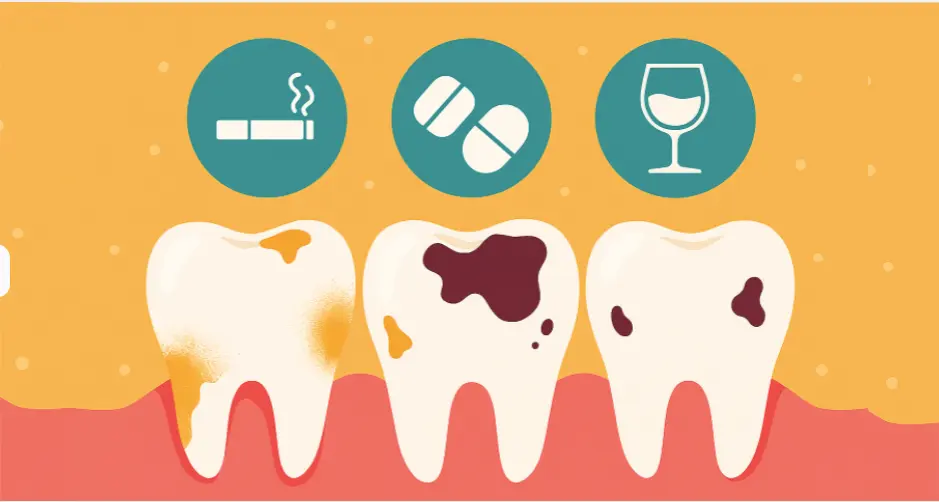
Smoking
According to the Centers for Disease Control and Prevention (CDC) data, nearly 28.3 million American adults smoke regularly. Smoking is one of the leading causes of tooth decay, even though it is rarely considered.
In other words, people may look at smoking as harmful from the perspective of lung health, but they seldom pay attention to oral risks. Smoking tends to increase the amount of dental plaque, leading to enamel erosion. Chain smokers often have teeth with holes and periodontal disease.
This phenomenon is also why smokers tend to be at risk of developing oral cancer, stained teeth, and gum health deterioration. In 2025, tobacco’s nicotine reduces saliva by 30%, which doubles the risk of decay, while global smoking rates among adults stand at 22% and decline by 5% year over year. Vaping, now done by 10% of youth, introduces propylene glycol acids, eroding enamel 15% faster. Quitting aids like nicotine patches minimize this, but chewable alternatives risk further erosion—opt for lozenges with calcium buffers.
Medication
This is another cause of tooth decay that often goes unnoticed. Several different medicines may lead to tooth decay. These include antidepressants, antibiotics, and antihistamines, among others. One prime example, which even has active litigation attached to it, is that of Suboxone.
It is available in the form of an oral film or tablets to be placed beneath the tongue, used to treat opioid dependence disorder. The European Medicines Agency states that Suboxone is usually administered to those over the age of 15.
Though effective in reducing opioid dependency, plaintiffs of the Suboxone lawsuit have alleged that the drug causes oral health problems. This is due to the highly acidic nature of Suboxone tablets or film.
According to TruLaw, injuries from regular Suboxone usage include weakened tooth enamel, erosion, cavities and tooth loss, gum injuries, etc., that require costly remediations. While the tooth decay associated with Suboxone is often severe, it may be mild in cases of antidepressants like Olanzapine.
Over 400 medications will cause dry mouth in 2025, affecting 30% of users and spiking decay by 50%. Antihypertensives like amlodipine reduce saliva 40%, while chemotherapy erodes enamel via nausea-induced vomiting. Inhaled steroids like fluticasone add acid exposure. Mitigation: Sugar-free rinses and saliva substitutes like Biotene reduce risk by 25%.
Biting Fingernails
This cause of tooth decay may seem completely strange to many. UCLA Health states that an estimated 30% of the population has the habit of biting fingernails.
It is a harmful habit because it weakens the tooth’s enamel. As the enamel chips away, cavities or holes form. Hands and fingernails leave the mouth susceptible to bacteria.
This bacteria is acidic for the teeth, causing severe tooth decay in some cases. It is important to remember that tooth loss due to biting fingernails happens only in extreme cases.
In 2025, stress-related habits like nail-biting affect 35% of adults amid remote work surges, introducing oral bacteria that boost plaque 20%. Combined with poor hygiene, it accelerates erosion in 15% of cases. Prevention: Bitter-taste polishes and CBT apps cut incidence by 40%; pair with probiotic lozenges for microbiome balance.
Dry Mouth
How can a mouth devoid of sufficient saliva possibly lead to tooth decay? This is why dry mouth is perhaps the least-known cause of cavities and enamel erosion. The lack of adequate saliva leads to bacteria build-up inside the mouth .
Saliva’s primary job is eliminating food debris in and around the teeth. Without enough saliva, this process does not take place properly. The stuck food particles interact with acid, thereby forming plaque. As the plaque continues to grow, it leads to tooth decay.
Xerostomia will impact 1 in 5 adults in 2025, linked to 400+ meds and rising diabetes (2x risk). It neutralizes acids 30% less effectively, causing 50% more cavities. Trends: The aging population sees 23% complete tooth loss by 60. Remedies: Hydration (2L/day), xylitol gum boosting saliva 40%, and AI-monitored hydration apps.
Wine
Who doesn’t love some finely aged delicious wine? Be it white or red, wine is highly acidic. The older the wine, the finer and more acidic it is. Over time, this acidity is destructive for tooth enamel.
Don’t worry; enjoying wine once in a while will not cause any harm. However, regular wine drinkers often suffer from severe cavities and discoloration of teeth. The best prevention is to drink wine sparingly and brush your teeth immediately after consumption.
With wine consumption up 10% in 2025 amid “sober-curious” trends favoring low-alc options, acidity (pH 3.0-3.6) erodes enamel 25% faster in frequent drinkers. White wines, higher in acids, affect 30% of enthusiasts. Tips: Rinse with water post-sip, cheese pairings (calcium buffer), and remineralizing gels reduce damage by 35%.
Emerging Trends and Prevention Strategies for 2025
2025 highlights:
- AI Diagnostics: Apps scan for erosion with 95% accuracy, preventing 20% progression.
- Personalized Nutrition: Genomic tests tailor diets, cutting acid exposure 30%.
- Eco-Friendly Aids: Biodegradable flosses with fluoride reduce decay by 25%.
General prevention: Fluoride toothpaste (1,000-1,500 ppm) twice daily, limit sugars <10% intake, and biannual checkups catching 80% early.
| Prevention Tip | Benefit | 2025 Innovation |
|---|---|---|
| Fluoride Rinse | 25% Less Decay | pH-Tracking Formulas |
| Xylitol Gum | 40% More Saliva | Probiotic-Infused |
| Habit Trackers | 30% Risk Reduction | AI Wearables |
When to Seek Professional Help
Signs of tooth decay include sensitivity, discoloration, or visible wear; consult a dentist for sealants, which are 90% effective. In 2025, teledentistry enables 70% faster interventions.
Given the uncommon reasons mentioned above, preventing tooth decay may or may not be entirely possible. For instance, chewing sugarless gum may help with dry mouth , but the extent to which it is used is largely uncertain.
However, some ways to prevent tooth decay include eating healthy, maintaining proper oral hygiene, consciously stopping the habit of biting fingernails, avoiding too much soda and caffeine, and looking for alternative medicines if possible.
Conclusion
In 2025, as 3.7 billion people around the world face dental problems, understanding unusual reasons for tooth decay and erosion—like how smoking increases plaque and wine’s mild acidity— With trends like AI monitoring and fluoride innovations slashing risks by 25-40%, prevention is more accessible than ever. Prioritize saliva-boosting habits, acid-neutralizing rinses, and routine checkups to preserve your enamel’s integrity. Your smile’s longevity starts today—consult a dentist for personalized strategies and embrace a cavity-free future.
FAQs
What is the prevalence of tooth decay in 2025?
Untreated caries affects 2.5 billion globally, the top health condition per WHO. In the U.S., 90% of adults over 20 have experienced decay, with 25% untreated cavities. Children face 45% risk, driven by sugars and poor hygiene—fluoride cuts it by 25%
How does smoking cause tooth erosion?
Smoking boosts plaque 30% and reduces saliva, doubling decay risk. In 2025, 22% of adults smoke, with vaping eroding enamel 15% faster via acids. Quitting aids like patches help; chewables risk further damage—rinse post-use for protection.
Can medications like Suboxone lead to cavities?
Yes, over 400 meds cause dry mouth, spiking decay 50%. Suboxone’s acidity erodes enamel directly, per lawsuits. Antihypertensives reduce saliva 40%; use Biotene substitutes and fluoride gels to mitigate 25% of risks in 2025.
Why does dry mouth increase tooth decay risk?
Saliva neutralizes acids and clears debris; xerostomia affects 1 in 5 adults, allowing 50% more plaque buildup. Linked to meds and diabetes (2x risk), it causes 23% tooth loss by 60. Xylitol gum boosts flow 40%—hydrate 2L daily.
How to prevent erosion from acidic wine?
Wine’s pH 3.0 erodes enamel 25% faster in frequent drinkers (30% affected). Rinse with water, pair with cheese for calcium buffer, and use remineralizing gels. Limit wine consumption to occasional use; in 2025, apps will track pH levels to help reduce damage by 35%.
Disclaimer: This article offers general educational insights on tooth decay and erosion based on 2025 trends and studies. It is not dental advice. Consult a dentist for personalized diagnosis or treatment. The author and NetworkUstad disclaim liability for health decisions based on this content. Verify with professionals for your oral health needs.