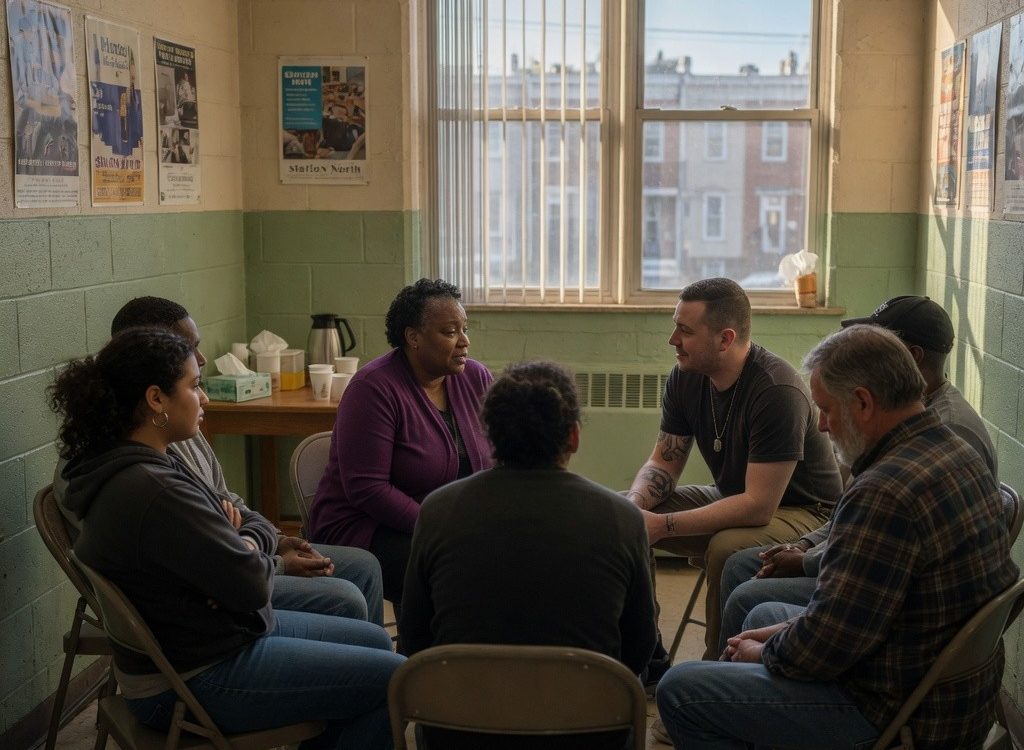
Addiction can place heavy strain on mental health, family bonds, work life, and daily routines. Many adults in Baltimore face silent stress after alcohol or substance misuse takes hold. Private counseling can help, yet some people seek a deeper sense of connection and shared trust during recovery. Group sessions often create that sense of unity through honest talks, peer advice, and mutual respect.
A rise in demand for group therapy services in Baltimore reflects a wider search for emotional relief and steady recovery paths. Many addiction sufferers now seek spaces that offer empathy, structure, and social comfort. This article covers several clear signs that may point toward a strong match with group care.
Isolation Starts to Shape Daily Life
Addiction often leads to social distance. Friends may fade away, family talks may turn tense, and normal routines may lose value. A person may spend long hours alone or avoid public events due to fear, shame, or stress. Over time, that distance can deepen emotional pain. Group sessions create a safe place for open discussion. Honest stories from others can reduce fear and self-doubt.
Shared struggles often help addiction sufferers realize that many people face similar battles. That sense of connection may restore hope after long periods of emotional strain. Many recovery experts in Baltimore value peer dialogue because human connection can ease emotional pressure. A calm group setting may offer comfort that private isolation rarely provides.
Past Relapse Creates Fear About Recovery
Repeated relapse can weaken confidence. Many addiction sufferers carry guilt after several failed attempts at sobriety. Fear of future setbacks may also stop progress before real recovery begins. Group care may help through shared accountability and routine social contact. Recovery stories from peers can inspire confidence after periods of frustration.
Honest feedback from others may also help participants notice harmful habits before another setback occurs. Several programs focus on relapse prevention through structured discussion, emotional support, and practical advice. Consistent group contact often helps participants stay focused on personal goals.
Daily Stress Feels Hard to Control
Stress from work, finances, family conflict, or health concerns can push addiction deeper. Some people lose emotional balance after minor problems. Anger, panic, sadness, or emotional numbness may become common reactions.
Group care may offer healthy outlets for emotional release. Calm discussion often helps participants process difficult emotions in a stable environment. Many therapists also guide sessions that focus on coping skills, conflict control, and emotional awareness.
Signs that stress may require group support include:
Frequent emotional outbursts
Sleep problems after substance misuse
Withdrawal from family or close friends
Constant fear of future relapse
Lack of motivation or personal direction
Many addiction sufferers in Baltimore benefit from peer advice during stressful periods. Shared experiences can create reassurance during emotional hardship.
Recovery Feels Easier With Shared Encouragement
Some addiction sufferers lose motivation during solo recovery attempts. Personal goals may feel distant without social support or positive reinforcement. Recovery often becomes harder after long periods of discouragement. Peer encouragement can make a major difference. Group members may celebrate milestones, offer advice after setbacks, and provide emotional comfort during difficult weeks. That sense of shared progress often builds resilience and hope.
Many adults now seek group therapy services in Baltimore because group care offers emotional connection alongside professional guidance. Baltimore continues to support community-based recovery through programs that encourage trust, openness, and personal growth.
Addiction recovery rarely follows a straight path. Emotional setbacks, stress, and social pressure can slow progress at any stage. Group care may offer structure, empathy, and valuable human connection during difficult periods. For many adults, honest peer discussion creates comfort that isolation cannot provide. A supportive community can strengthen recovery goals and help addiction sufferers move toward a healthier future.