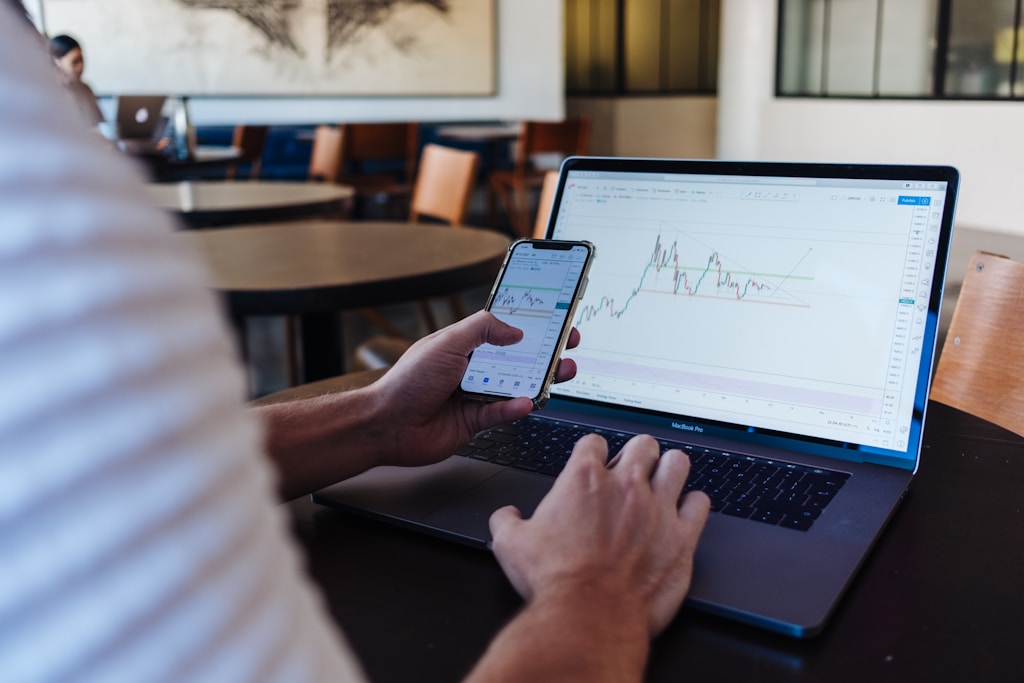
A decade ago, retail forex was still a desk activity. Traders would log in from a laptop or a multi-monitor home setup, place trades, and check positions throughout the day. The shift to mobile started slowly and then accelerated. Today, retail volume booked via phones accounts for a substantial share of every major broker’s flow, and for some brokerages serving emerging markets, mobile is the dominant channel.
This change has reshaped how brokers think about technology, design, and client retention.
Key Takeaways
- Mobile is now the primary trading interface for a growing share of retail clients, not a secondary screen.
- Account opening and KYC have largely moved to smartphones, and desktop-only funnels lose conversions.
- Progressive web apps complement native iOS and Android apps, providing a fallback when app stores are restricted.
- Push notifications are most effective when tied to events traders actually care about, not generic marketing.
- Platforms with weak mobile experiences lose retail clients to competitors that invested in it earlier.
From Companion App to Primary Interface
The first generation of mobile trading apps was essentially shrunken desktop platforms. Charts looked cramped, order entry was awkward, and most traders treated the app as a way to monitor positions rather than open new ones. That pattern has reversed.
Modern mobile apps are designed mobile-first, with gesture-driven navigation, optimized charting, and quick-access trade tickets. Several of the platforms competing for broker business today put the same engineering effort into their mobile experience as they do into their desktop clients. Match-Trader is one example, with parity across PWA, iOS, and Android.
For brokers, this changes commercial priorities. App store presence, push notification strategy, biometric login, and onboarding flows now matter as much as charting depth on desktop.
Mobile-Native Onboarding
The shift goes beyond trading itself. Account opening, KYC, deposit, and verification are now expected to be completed entirely on a smartphone. Brokers that still require a desktop step somewhere in the funnel see measurable increases in drop-off rates.
This has knock-on effects for the rest of the stack:
- CRM systems need to surface mobile-completed onboarding cleanly.
- Risk and compliance tooling has to handle document quality from phone cameras.
- Support needs to be reachable through in-app chat, not just email.
- Push notifications and re-engagement flows replace email as the primary communication channel.
PWAs, App Stores, and Charting
Native iOS and Android apps remain important, but progressive web apps have changed the conversation. A PWA gives traders an app-like experience through their browser, without the friction of a store download. For brokers operating in jurisdictions where major platform apps have faced app store restrictions, PWAs have become a critical fallback.
Some platforms now offer PWAs, native iOS, and native Android in parallel, allowing brokers to choose the combination that best suits their market. Match-Trader, for example, ships with all three.
Charting on a small screen has also matured. Older platforms struggled with cramped interfaces. Newer ones use landscape optimizations, gesture-based indicator overlays, and clearer hit zones. Traders who started on mobile do not need sixty indicators on screen at once; they want reliable execution and fast-loading charts.