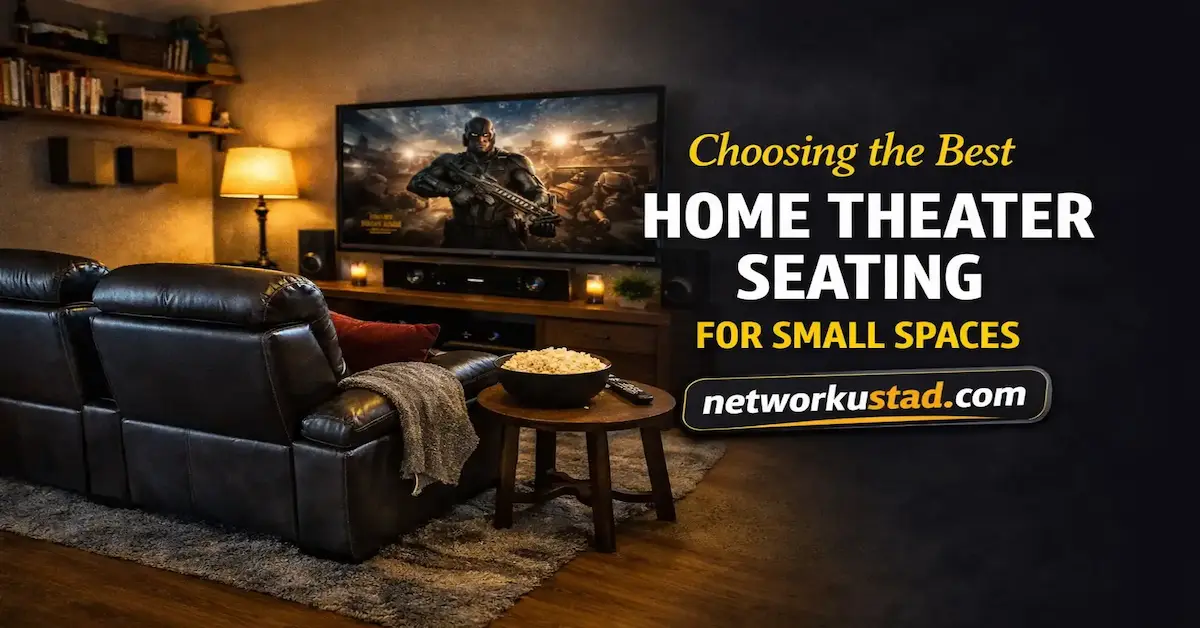
Creating a home theater experience in a small living space presents a familiar challenge: how do you achieve genuine comfort and visual appeal when every square foot counts? As streaming services and high-quality audio systems become more accessible, more homeowners are transforming compact rooms into dedicated entertainment zones. The central problem, however, remains the same—finding seating that delivers a theater-like experience without overwhelming limited floor space or clashing with existing decor. Oversized recliners and bulky sectionals simply won’t work when you’re dealing with a narrow living room or a converted spare bedroom. This guide addresses that exact dilemma with actionable solutions tailored to small-space living. From understanding spatial constraints to selecting features that maximize every inch, you’ll discover how to make informed decisions that balance function with style. Whether you’re setting up your first home theater or upgrading an existing arrangement, these practical tips will help you transform any modest room into a cozy, immersive entertainment hub.
Understanding the Challenges of Small Spaces for Home Theater Seating
Small rooms come with inherent limitations that make choosing home theater seating far more complex than simply picking what looks comfortable in a showroom. Limited floor space is the most obvious hurdle—standard theater recliners often require three to four feet of clearance behind them to fully extend, eating into walkways and making tight rooms feel claustrophobic. Awkward layouts compound the problem; rooms with off-center windows, angled walls, or doors that swing inward restrict where furniture can realistically go. Many homeowners also need their theater space to double as a living room or guest area, demanding multi-functional furniture that transitions seamlessly between uses. Poor seating choices don’t just waste space—they actively shrink a room’s perceived size, block natural traffic flow, and create visual clutter that undermines the relaxing atmosphere a home theater should provide. The key is intentional planning before any purchase. Measuring thoroughly, understanding how each piece interacts with the room’s geometry, and prioritizing space-efficient solutions from the start will prevent costly mistakes. For those working within tight square footage, every design decision must serve both comfort and spatial harmony.
Key Features to Look for in Space-Saving and Flexible Seating Solutions
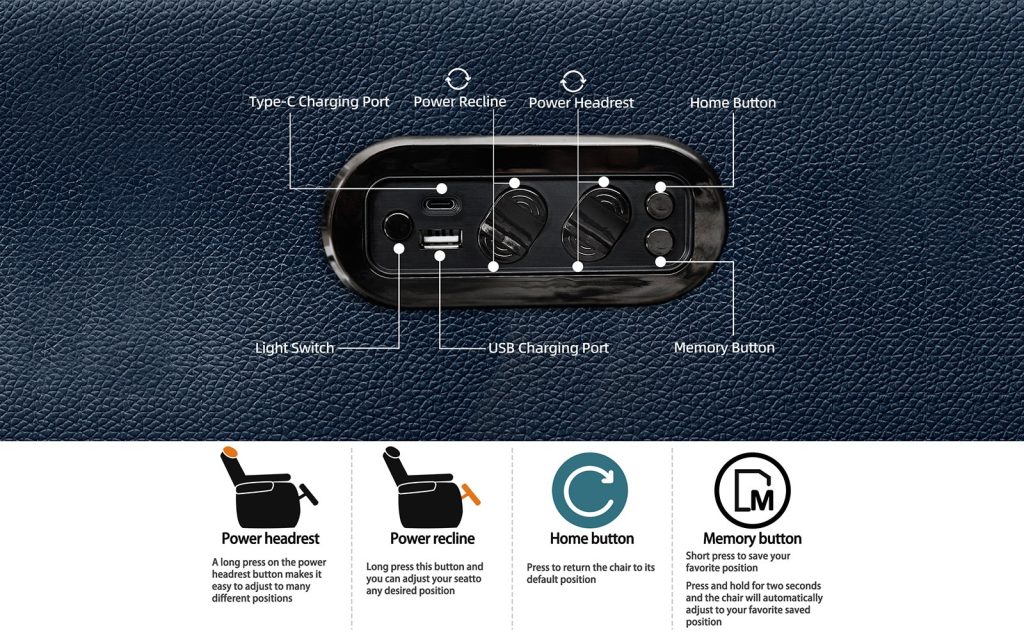
When shopping for home theater seating in a compact room, certain features separate smart purchases from regrettable ones. Start with compact dimensions—look for chairs and loveseats designed with narrower profiles that still accommodate adult frames comfortably. Wall-hugging recliners deserve special attention because they need as little as three to four inches of clearance from the wall to fully recline, compared to the two or three feet traditional recliners demand. This single feature can reclaim a surprising amount of usable floor space. Modular designs offer another layer of adaptability. Sectional sofas composed of individual units let you configure seating to match your room’s exact geometry—arrange them in an L-shape for a corner setup, line them straight against a wall, or separate pieces entirely when the room serves a different purpose. Some modular systems even allow you to add or remove seats over time as your needs evolve, making them genuinely flexible seating solutions for households that entertain varying group sizes. Convertible pieces—such as loveseats that fold into sleepers or ottomans with hidden storage—pull double duty without requiring additional furniture. Materials matter too. Lean toward frames built from kiln-dried hardwood or steel-reinforced construction, which provide lasting support in slimmer silhouettes. For upholstery, tightly woven microfiber or bonded leather delivers durability and easy cleaning without the visual heaviness of overstuffed cushions. A space-saving design doesn’t have to feel flimsy; well-engineered compact seating can rival the sturdiness of larger alternatives.
Prioritizing Comfort and Functionality
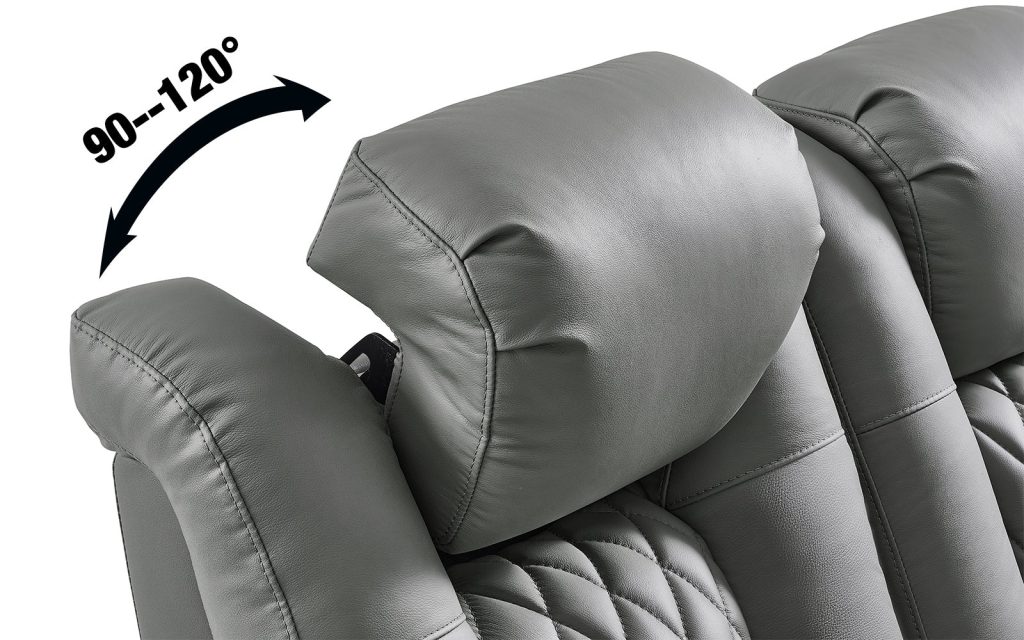
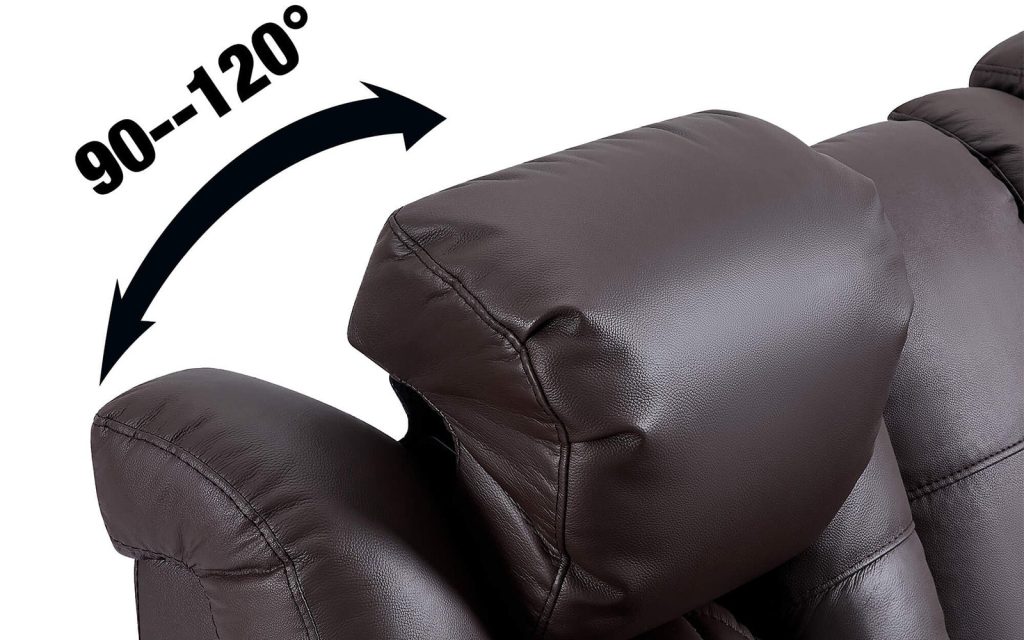
Downsizing shouldn’t mean sacrificing the experience. Ergonomic lumbar support and adjustable headrests let you fine-tune positioning for long movie marathons, and these features integrate directly into the seat frame rather than adding bulk. Built-in cup holders and side storage compartments eliminate the need for end tables, freeing up adjacent floor space. The real trade-off to evaluate is feature density versus seat width—a chair loaded with a tray table, USB charging, and power recline may widen beyond what your layout allows. Identify two or three must-have comfort features and treat everything else as optional to keep dimensions manageable.
How to Measure and Plan Your Living Room Furniture Layout
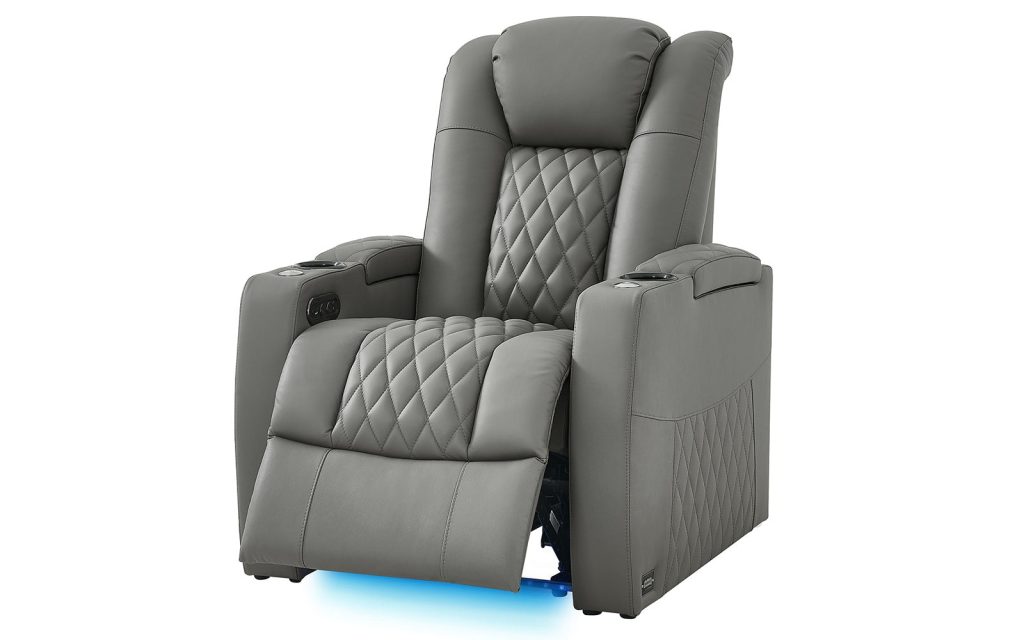
Accurate measurement is the foundation of any successful small-space theater setup, yet it’s the step most people rush through. Begin by recording your room’s full dimensions—length, width, and ceiling height—then map out fixed elements like doors, windows, electrical outlets, and HVAC vents. Next, determine your viewing distance from the screen, which directly influences where seating can go. For most home projectors or large TVs, a distance of 1.5 to 2.5 times the screen’s diagonal width provides comfortable viewing without eye strain. Once you know where seats need to face, measure reclining clearance by adding the full extension depth of any recliner you’re considering to its closed footprint. Leave at least 30 inches for walkways between furniture and walls or other pieces—anything less creates a cramped, obstacle-course feel. A common mistake is measuring only the furniture’s footprint while ignoring how it behaves in use; a seat that fits perfectly when upright may block a doorway once reclined. To visualize configurations before buying, sketch a scaled floor plan on graph paper or use free digital tools like RoomSketcher or the IKEA planning app. These let you drag furniture shapes around a virtual room, testing multiple arrangements in minutes. Try positioning seating at slight angles rather than flush against walls—angled placement can open sightlines and create a sense of depth in boxy rooms. Always verify that your chosen layout preserves clear paths to exits, keeps cords safely routed, and maintains comfortable spacing between viewers so everyone enjoys an unobstructed screen view.
Incorporating Modern Recliners and Design Trends into Your Decor
Small spaces benefit enormously from cohesive design choices, and your theater seating should enhance the room’s aesthetic rather than dominate it. Minimalist and contemporary styles work particularly well in compact environments because they favor clean lines, low profiles, and visual lightness over ornate detailing or heavy frames. Look for modern recliners with slim tapered legs that expose floor space beneath—this simple detail creates an airy feel and makes cleaning easier. Industrial-inspired pieces with metal accents and streamlined cushions can add character without visual bulk, while mid-century designs with angled silhouettes draw the eye without overwhelming a room’s proportions. Color and material choices play a significant role in how spacious a room feels. Lighter upholstery tones—warm grays, soft tans, or muted blues—reflect more light and recede visually, making walls appear farther away. If you prefer darker seating, balance it with lighter walls and strategic lighting to prevent the room from feeling enclosed. Fabrics with subtle texture rather than bold patterns maintain visual calm, and matte leather or suede finishes add sophistication without the glossy reflections that can feel busy in tight quarters. Consider how your seating coordinates with surrounding elements like media consoles, wall-mounted shelves, and lighting fixtures. A unified palette across furniture and accessories creates continuity that tricks the eye into perceiving more space. Modern recliners now come in designs that genuinely resemble stylish lounge chairs, making it entirely possible to build a theater setup that looks intentional and polished rather than like a showroom floor crammed into a bedroom.
A Step-by-Step Guide to Choosing the Best Home Theater Seating
With a clear understanding of features, measurements, and design preferences, you can follow a structured process to land on the ideal seating. First, define your budget and core needs—decide how many seats you require, whether reclining is non-negotiable, and if the space must serve dual purposes like guest sleeping. Having these boundaries set prevents impulse purchases that look great online but fail in practice. Second, research and compare products using the criteria covered earlier: wall-hugging mechanisms, modular configurations, compact dimensions, and durable yet slim construction. Cross-reference multiple sources, read user reviews from people with similar room sizes, and pay close attention to reported measurements versus advertised ones, since discrepancies are common. Third, test seating whenever possible. Visit showrooms to sit in your shortlisted options for at least ten minutes—comfort that feels fine initially can reveal pressure points during a full movie. If in-store testing isn’t feasible, prioritize retailers with generous return windows so you can evaluate pieces at home. Fourth, think through delivery logistics. Narrow hallways, tight staircases, and small doorframes can turn a perfect purchase into a logistical nightmare. Confirm the dimensions of every access point and ask whether the furniture ships partially disassembled for easier maneuvering. Finally, plan your installation by positioning pieces according to your floor plan before anchoring anything, verifying reclining clearance, outlet access, and sightlines one last time.
Evaluating Brands and Retailers
Choose suppliers that offer comprehensive warranties covering frame and mechanism defects for at least two years. Home goods specialists like Comfiroom and similar retailers that focus on living space furnishings can be worth exploring, as they often cater specifically to buyers looking for comfort-driven, space-conscious designs. Prioritize retailers with responsive customer service, transparent return policies, and positive feedback specifically from small-space buyers—their experiences will most closely mirror your own.
Building Your Perfect Small-Space Theater Setup
Transforming a small room into a satisfying home theater starts with acknowledging the constraints and working strategically within them. The right seating choice hinges on a few core principles: understanding how compact dimensions, wall-hugging mechanisms, and modular configurations can reclaim space that traditional furniture wastes. Careful measurement and thoughtful layout planning prevent the frustration of returns and rearrangements, while modern design trends prove that small-scale seating can look every bit as polished as oversized alternatives. Color, material, and style decisions all contribute to a room that feels open and intentional rather than cluttered. By following a structured selection process—setting a realistic budget, comparing features against your specific room geometry, testing comfort firsthand, and accounting for delivery logistics—you remove guesswork from what can otherwise be an overwhelming purchase. The goal isn’t to replicate a commercial cinema but to create a space that feels personally tailored, where every seat earns its place. Apply these steps with your own room in mind, and even the most modest space can become the entertainment retreat you’ve been envisioning.
❓ 5 FAQs
Q1. What is the best type of seating for a small home theater room?
Wall-hugging recliners and modular sectional sofas are the best choices for small home theaters. They save floor space, offer comfort, and adapt to compact room layouts without blocking walkways or doorways.
Q2. How much clearance does a wall-hugging recliner need to fully recline?
A wall-hugging recliner needs only 3 to 4 inches of clearance from the wall to fully recline, compared to 2 to 3 feet required by traditional recliners, making it ideal for tight spaces.
Q3. What is the ideal viewing distance for home theater seating in a small room?
The ideal viewing distance is 1.5 to 2.5 times the diagonal width of your screen. This ensures comfortable viewing without eye strain, even when seating options are limited by room size.
Q4. Can modular sofas work well in a small home theater setup?
Yes, modular sofas are excellent for small home theaters. Their individual units can be configured in L-shapes or straight lines, separated when needed, and expanded over time to suit changing seating needs.
Q5. What upholstery material is best for compact home theater seating?
Tightly woven microfiber or bonded leather is best for compact home theater seating. Both materials are durable, easy to clean, and visually lightweight, keeping the room feeling open and uncluttered.
⚠️ Disclaimer
The information provided in this article is for general guidance purposes only. Product dimensions, prices, and availability may vary by brand, region, and retailer. Always measure your room carefully and verify manufacturer specifications before purchasing home theater seating. NetworkUstad does not endorse any specific brand or retailer mentioned in this article.