The music industry doesn’t sit still. Remember when carrying a thousand songs in your pocket felt like magic? Today, that’s just the bare minimum. We are living in a fast-paced era where streaming music isn’t just about pressing play anymore; it is about immersion, community, and hyper-personalization.
For businesses and creators looking to leave a mark, relying on standard audio playback won’t cut it. To truly stand out, you need to build something revolutionary.
This is exactly where TekRevol Mobile App Development steps into the spotlight, turning ambitious audio concepts into cutting-edge digital realities.
The landscape of sound is shifting rapidly under our feet. Listeners are no longer passive consumers; they want to interact with music, co-create, and support their favorite indie artists directly. If you want to build an app that captures this energy, you need tech partners who see the future.
Let’s dive into how the industry is evolving and explore the next-gen features rewriting the rules of sound.
The Visionaries: TekRevol Music App Developers Leading the Charge
Building a basic music streaming app is relatively straightforward. However, engineering an intuitive, next-generation platform that scales seamlessly requires a deeply specialized skillset.
This is why TekRevol music app developers have become the go-to experts for disruptive audio tech. They don’t just write code; they understand the intricate synergy between complex cloud architecture, low-latency streaming, and user psychology.
To survive in today’s hyper-competitive app stores, a digital product must offer immediate, undeniable value. It requires a balance of high-end aesthetics and flawless backend performance.
By merging technical mastery with creative intuition, these developers are actively shifting the boundaries of what a mobile application can achieve. They are bridging the gap between raw web code and pure human emotion.
AI-Driven Personalization: Moving Beyond Basic Playlists
We have all experienced standard algorithmic recommendations. You listen to one lo-fi track, and suddenly your entire feed is flooded with identical beats for a month. It feels mechanical and lazy. Next-gen audio platforms are completely discarding these rigid frameworks.
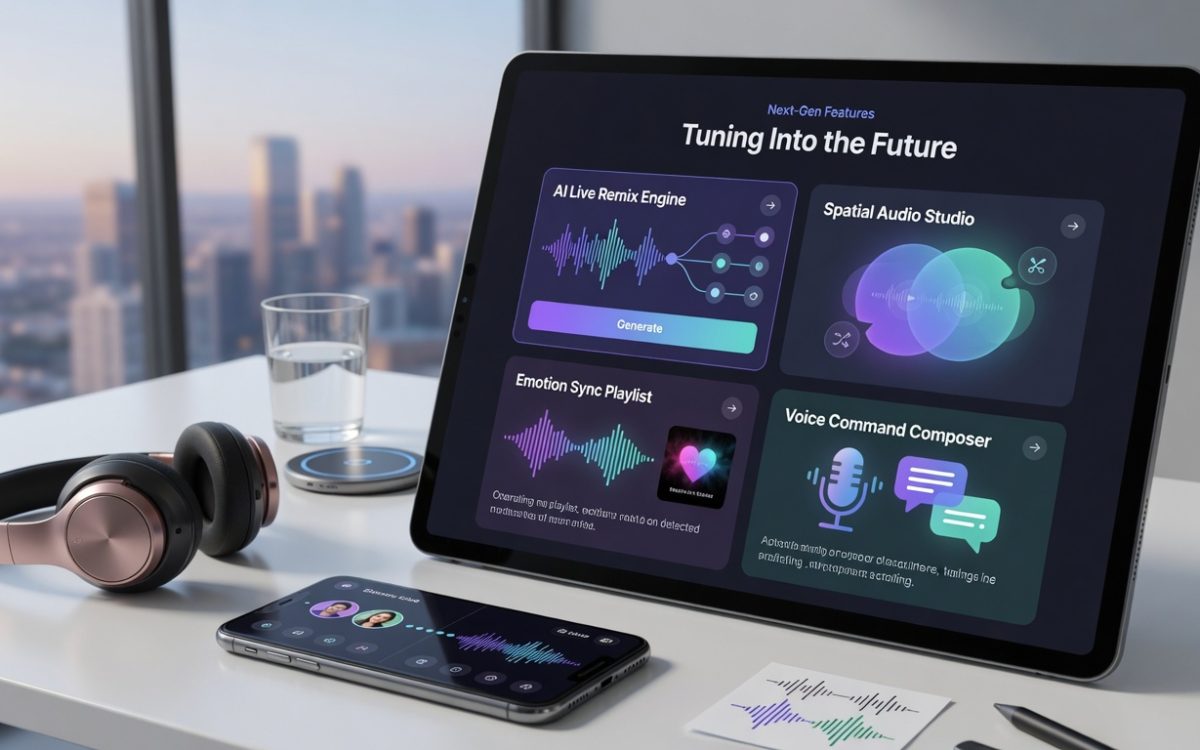
Modern artificial intelligence doesn’t just look at genres; it analyzes context, mood, and real-time biometric telemetry. Imagine an app that syncs seamlessly with your smart wearable. It detects a spike in your heart rate during a morning run and instantly transitions to a high-tempo, motivating playlist.
Furthermore, generative AI is allowing users to create custom background soundscapes on the fly. Need a focus track for a deep-work session? The app can synthesize a unique ambient melody tailored to your exact cognitive preferences. This level of predictive engineering transforms a simple utility into an indispensable daily companion.
Web3 and the Decentralized Audio Revolution
For decades, the financial dynamics of the music industry have heavily favored major distribution middlemen. Independent artists frequently struggle to receive a fair percentage of their streaming revenue. Web3 technology is completely rewriting this narrative, putting power back into the hands of creators and fans.
Tokenized Fan Communities
By integrating blockchain frameworks, applications can now offer fan tokens. Holding a specific artist’s token grants exclusive rewards. This includes early access to concert tickets, limited-edition digital merchandise, or entry into private, virtual listening parties. It transforms passive listeners into highly invested community members.
Smart Contracts for Instant Royalties
Traditional royalty payouts can take months to process as they weave through a maze of distributors and agencies. With decentralized ledger technology, micro-payouts can happen instantaneously. The exact second a user streams a track, a smart contract executes on the blockchain, instantly routing fractions of a cent directly into the artist’s digital wallet. No delays, no hidden fees, and absolute transparency.
Music NFTs as Digital Collectibles
Albums and unreleased tracks can now be launched as unique digital assets. Fans don’t just stream a song; they can truly own a piece of it. This creates entirely new monetization streams for independent artists, bypassing traditional industry gatekeepers.
Immersive Audio: Spatial Sound and Low-Latency Collaboration
The way we physically experience sound has shifted dramatically. Standard stereo output feels flat compared to the lifelike, 3D audio environments capturing the market today. Incorporating spatial audio tracking gives listeners the distinct sensation that instruments are placed physically around them in a room. It mimics the raw, authentic energy of a live acoustic concert right inside a pair of standard earbuds.
On the creation side, the demand for mobile, real-time collaboration tools has skyrocketed. Musicians located in entirely different parts of the world want to open an app and jam together without frustrating audio lag. Achieving this requires building incredibly robust, ultra-low-latency audio pipelines. It demands meticulous optimization of cloud infrastructure to ensure that every single beat, vocal layer, and chord syncs up perfectly in real time.
Gamification and Social Interactive Elements
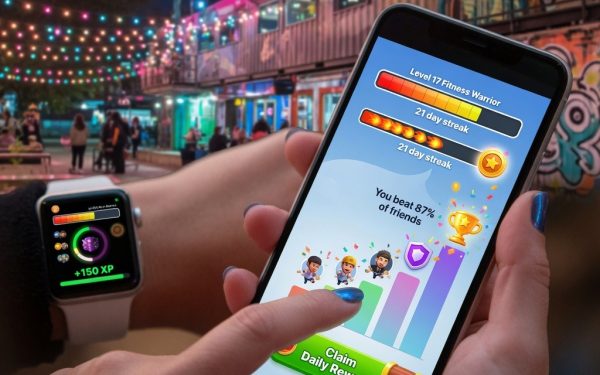
Music is inherently social. Yet, for a long time, mobile streaming felt like a deeply isolated experience. The next generation of digital audio platforms is actively changing that by introducing playful, interactive, and gamified features directly into the user interface.
Live Interactive Listening Rooms: Users can host virtual rooms where friends listen to music synchronously, chat via live text, and vote on which track plays next.
In-App Karaoke & Vocal Scoring: Advanced real-time pitch detection allows users to sing along to their favorite tracks, score points, and share their performances on a global leaderboard.
Badges and Fan Milestones: Reward your most dedicated listeners. Users can earn unique digital badges for being in the top 1% of an artist’s global listeners, fostering a deep sense of pride and community loyalty.
Navigating the Tech Stack: How the Magic Happens
Bringing these complex features to life takes much more than a great concept. It requires a meticulously planned, highly modern technical infrastructure. The backend architecture must be built from the ground up to handle massive, concurrent data spikes without breaking a sweat.
| Feature Category | Core Technologies Used | Strategic Impact |
|---|---|---|
| Predictive AI | TensorFlow, Python, AWS SageMaker | Delivers hyper-personalized music discovery. |
| Web3 Integration | Solidity, Ethereum, Polygon Network | Powers transparent, instant creator royalties. |
| Real-Time Audio | WebRTC, CoreAudio, C++ Frameworks | Enables ultra-low-latency virtual jam sessions. |
| Cloud Infrastructure | Docker, Kubernetes, AWS S3 | Ensures flawless, infinite platform scalability. |
By utilizing this robust combination of cutting-edge tools, developers ensure that an application remains lightning-fast, incredibly secure, and perfectly prepared for future tech upgrades.
Crafting Soundspaces for Tomorrow
The future of digital audio isn’t waiting around the corner—it is already being engineered right now. The platforms dominating the app stores over the next decade will be the ones that dare to innovate, break conventions, and prioritize authentic human connection.
Whether you are an ambitious startup looking to disrupt the streaming world or an established entertainment enterprise reimagining your digital presence, the strategy remains the same: embrace the power of AI, leverage the transparency of the blockchain, and never compromise on immersive user experiences. Partnering with visionary developers makes all the difference. Your ideas deserve to be heard perfectly. Let’s build the future of sound together.