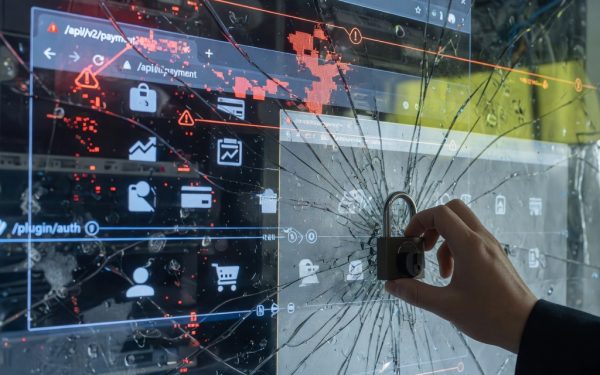
Cybersecurity teams are facing mounting pressures as they navigate the rapidly evolving digital landscape, with AI-driven threats and workplace stressors forcing organizations to adapt their strategies and priorities. According to a new report from NetworkUstad, this shift is driving significant changes in how cybersecurity professionals approach their roles and responsibilities.
Escalating AI-Powered Cyber Threats
The report highlights the growing sophistication of AI-powered cyber attacks, which are becoming increasingly difficult for traditional security measures to detect and mitigate. Threat actors are using advanced AI algorithms to automate and scale their malicious activities, from phishing and malware distribution to network intrusions and data breaches. This has placed immense strain on cybersecurity teams, who must constantly stay ahead of these evolving threats.
Workplace Stressors Compound the Challenge
Compounding the issue, cybersecurity professionals are also grappling with heightened workplace stressors, including burnout, high turnover, and skills shortages. The relentless pace of cyber threats, combined with the pressure to maintain reliable security postures, has taken a significant toll on the mental and physical well-being of many cybersecurity workers. This has led to increased absenteeism, reduced productivity, and difficulty in attracting and retaining top talent.
Adapting Strategies and Priorities
In response to these challenges, organizations are being forced to re-evaluate their cybersecurity strategies and priorities. Many are investing in advanced AI-based security solutions to automate threat detection and response, freeing up their teams to focus on more strategic, high-impact tasks. there is a growing emphasis on upskilling and reskilling existing cybersecurity personnel, as well as using better work-life balance policies and mental health support programs to address the issue of workplace stress.
Collaboration and Shared Responsibility
According to the report, the evolving cybersecurity landscape also requires closer collaboration between organizations, government agencies, and technology providers. By sharing intelligence, best practices, and resources, the cybersecurity community can collectively strengthen its defenses against the growing threat of AI-powered attacks. there is a recognition that cybersecurity is a shared responsibility, with all employees, not just the IT team, playing a important role in maintaining a strong security posture.
The Road Ahead
As the cybersecurity landscape continues to transform, experts warn that organizations must remain vigilant and proactive in their approach. Staying ahead of the curve will require a combination of advanced technology, skilled personnel, and a culture of security awareness and resilience. By addressing the challenges posed by AI-driven threats and workplace stressors, cybersecurity teams can better position themselves to protect their organizations in the years to come.