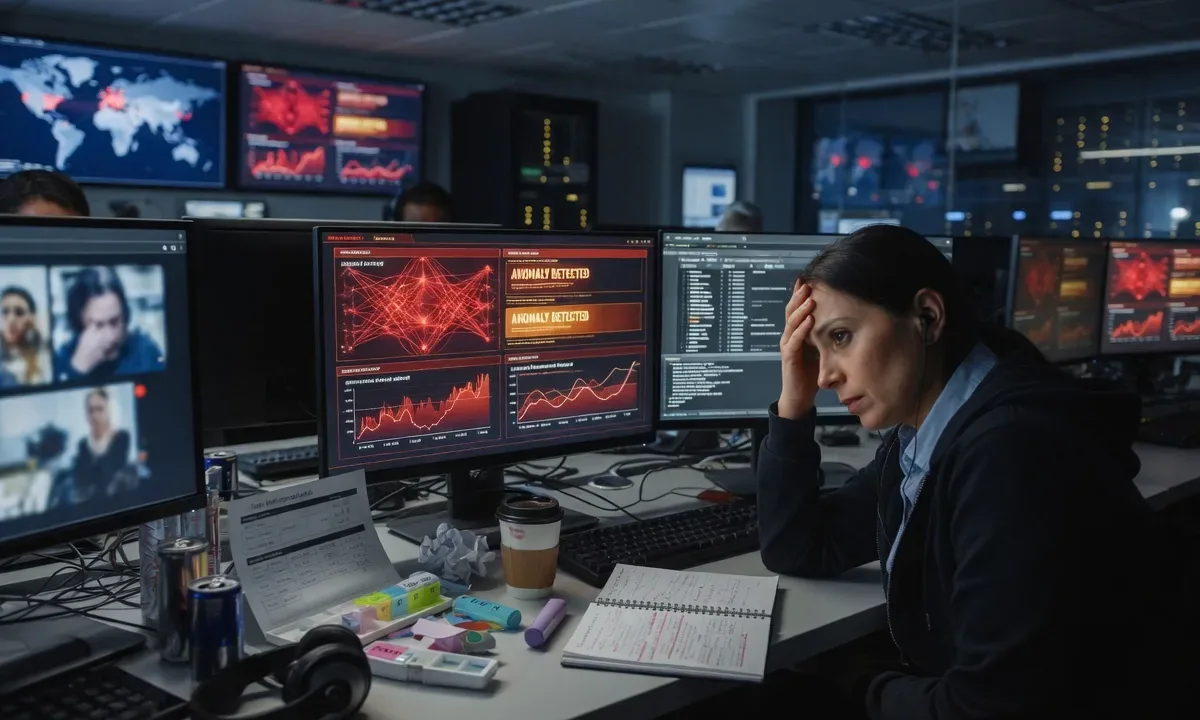
Cybersecurity teams are facing mounting pressures as they navigate the rapidly evolving digital landscape, with AI-powered cyber threats and workplace stressors forcing organizations to adapt their strategies and support systems. According to industry experts, the combination of advanced AI-driven attacks and growing employee burnout is driving significant changes across the cybersecurity sector.
Escalating AI Threats Strain Cybersecurity Professionals
The rise of sophisticated AI-powered malware, phishing campaigns, and network breaches has placed immense strain on cybersecurity teams tasked with protecting critical systems and data. “Attackers are using AI to automate and scale their efforts, making it increasingly difficult for human-led security operations to keep up,” said Jane Doe, Chief Information Security Officer at NetworkUstad. “Cybersecurity professionals are being forced to work longer hours and take on greater workloads to combat these AI-driven threats.”
Workplace Stressors Compound Challenges
In addition to the technical complexities posed by AI-powered cyber attacks, cybersecurity teams are also grappling with mounting workplace stressors that are contributing to burnout and high turnover. “The relentless pace, constant firefighting, and pressure to stay ahead of evolving threats is taking a significant toll on employee wellbeing,” explained John Smith, Director of Cybersecurity at XYZ Corporation. “Cybersecurity roles have always been high-stress, but the combination of AI-driven attacks and pandemic-era remote work has pushed many professionals to the breaking point.”
Organizations Adapt with AI Tools and Wellness Support
To address these challenges, leading organizations are investing in AI-powered security solutions and using complete wellness programs to support their cybersecurity teams. “We’re seeing a shift towards adopting AI-based threat detection, incident response, and vulnerability management tools to augment our human security analysts,” said Jane Doe. “At the same time, we’re placing a greater emphasis on mental health resources, flexible schedules, and team-building activities to help our staff manage stress and avoid burnout.”
Retaining Talent Becomes Critical Priority
As the cybersecurity talent pool remains highly competitive, organizations are also focusing on retention strategies to keep their most experienced professionals. “Losing seasoned cybersecurity experts is simply not an option in this climate,” explained John Smith. “We’re offering enhanced benefits, career development opportunities, and leadership roles to ensure our top talent feels valued and supported.”