Home Infrastructure German Rail Services Resume After Wireless Outage Disruption
Infrastructure

German Rail Services Resume After Wireless Outage Disruption

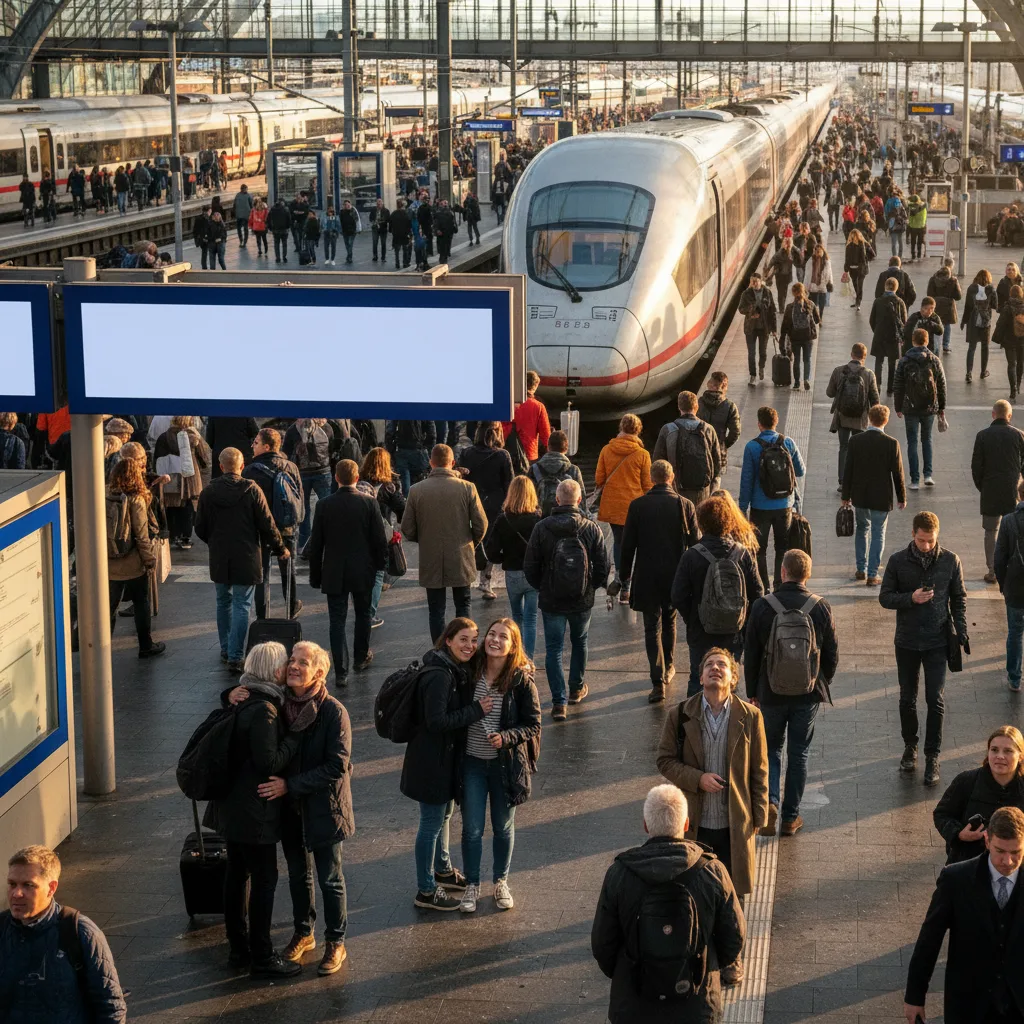
German High-Speed Train On The Tracks

German rail services have resumed after a widespread wireless communications outage that disrupted train operations across the country. The outage, which occurred on Tuesday, affected Deutsche Bahn’s signaling and communication systems, leading to the temporary suspension of many train services.

Cause of the Wireless Outage Remains Under Investigation

According to Deutsche Bahn, the outage was caused by a failure in the company’s wireless communications network. The exact cause of the network failure is still under investigation, and officials have not yet determined whether it was the result of a technical malfunction or a cyber-related incident.

Widespread Disruption to Train Services

The wireless communications outage led to the suspension of numerous train services, including long-distance and regional routes, across Germany. Passengers were advised to check for service updates and consider alternative transportation options during the disruption.

Deutsche Bahn Restores Connectivity and Resumes Operations

After several hours of disruption, Deutsche Bahn announced that it had successfully restored its wireless communications network and resumed regular train operations. The company stated that it is working closely with relevant authorities to investigate the cause of the outage and to ensure the reliability of its systems going forward.

Importance of Reliable Rail Infrastructure and Cybersecurity

The incident highlights the critical importance of maintaining reliable and resilient rail infrastructure, including secure and reliable communication systems. As the German government and Deutsche Bahn continue to investigate the cause of the outage, experts have emphasized the need for enhanced cybersecurity measures to protect the country’s important transportation networks from future disruptions.


Frequently Asked Questions

How to get from Berlin to Munich by German rail?

To travel from Berlin to Munich by German rail, you can take a direct high-speed ICE train. The journey typically takes around 4 hours, with trains departing frequently throughout the day. Passengers can book tickets in advance online or at the station.

What is the Deutsche Bahn rail network in Germany?

The Deutsche Bahn is the national railway company of Germany, operating an extensive rail network across the country. It provides intercity, regional, and local train services, connecting major cities and towns throughout Germany.

Why were German rail services disrupted by a wireless outage?

A wireless network outage caused widespread disruptions to German rail services recently. The outage affected the signaling and communication systems used by Deutsche Bahn, leading to delays, cancellations, and service interruptions across the rail network.

How long does it take to travel from Hamburg to Frankfurt by German rail?

The journey from Hamburg to Frankfurt by German rail typically takes around 4-5 hours, depending on the train service. Passengers can choose from high-speed ICE trains or regional services, with multiple departures available throughout the day.

Which is better, taking the train or driving from Munich to Berlin in Germany?

For travel between Munich and Berlin, taking the train is generally considered the better option compared to driving. The high-speed ICE trains are faster, more comfortable, and more environmentally friendly than driving the approximately 6-hour journey by car.
Avatar Of Ali Hassan
Ali Hassan

Author

Ali Hassan is a certified network engineer and technology news correspondent at NetworkUstad. With hands-on expertise in Cisco routing, switching, CCNA/CCNP certifications, and enterprise networking, he covers daily breaking news in networking technology, SD-WAN developments, and infrastructure updates. Ali keeps IT professionals ahead of the curve with in-depth analysis of the latest networking trends, vendor announcements, and industry shifts.

📬

Enjoyed this article?

Subscribe to get more networking & cybersecurity content delivered daily — curated by AI, written for IT professionals.