Home Law Enforcement London Police Bring Live Facial Recognition to West End
Law Enforcement

London Police Bring Live Facial Recognition to West End

Live Facial Recognition Cameras Installed In London'S West End

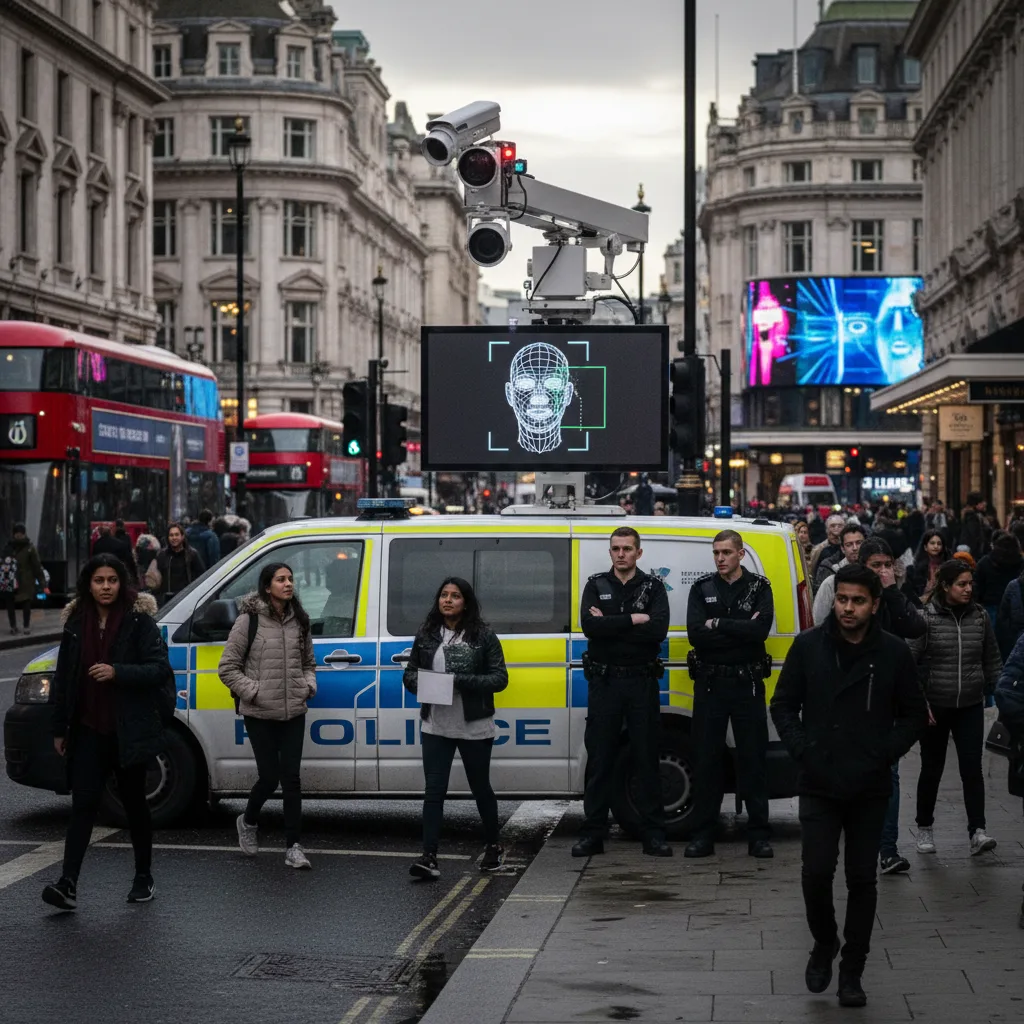
London police have introduced live facial recognition technology to the city’s West End, sparking concerns over privacy and civil liberties. The Metropolitan Police Service (MPS) has deployed the controversial surveillance system in popular shopping and entertainment areas, claiming it will help identify wanted criminals and missing persons.

Facial Recognition Cameras Deployed in West End

According to the MPS, the live facial recognition cameras have been installed at various locations throughout the West End, including Oxford Street, Regent Street, and Piccadilly Circus. The system is designed to scan the faces of pedestrians in real-time and cross-reference them against a watchlist of individuals wanted for crimes or reported missing.

Privacy Advocates Raise Alarm

The move has drawn immediate criticism from privacy and civil liberties groups, who argue that the technology poses a significant threat to individual privacy and freedom of movement. “This is a massive expansion of the surveillance state and a serious assault on civil liberties in the UK,” said Silkie Carlo, director of the privacy group Big Brother Watch.

Police Defend the Measures

However, the MPS maintains that the facial recognition system is a valuable tool in the fight against crime. “This technology is a important investigative resource, allowing us to identify suspects, track down missing persons, and prevent serious crimes,” said a spokesperson for the police force. The MPS also stated that the system will only be used to scan individuals on a specific watchlist and that no data will be stored or used for any other purpose.

Ongoing Debate Over Facial Recognition

The introduction of live facial recognition in the West End is the latest development in the ongoing debate over the use of such technology in public spaces. While proponents argue that it can enhance public safety, critics contend that it infringes on fundamental rights and freedoms. The issue has sparked legal challenges and calls for stricter regulation of facial recognition systems in the UK and other countries.


Frequently Asked Questions

How does live facial recognition technology work in London?

Live facial recognition technology used by the London police scans faces in public areas and compares them to a database of wanted individuals. If a match is found, the system alerts officers to investigate further.

What is the purpose of using live facial recognition in West End London?

The purpose of deploying live facial recognition in London's West End is to help identify and apprehend wanted criminals and suspects. The technology is used to enhance public safety and security in the busy commercial district.

Why are some people concerned about live facial recognition in London?

Some privacy advocates are concerned that live facial recognition technology infringes on civil liberties and enables mass surveillance of the public without their consent. There are also worries about the accuracy and bias of the facial recognition algorithms.

How much does it cost to implement live facial recognition in London?

The costs of implementing and maintaining live facial recognition systems in London can be significant, involving hardware, software, data storage, and staffing expenses. Exact figures are not publicly disclosed, but it is a substantial investment for the police force.

Which countries have banned the use of live facial recognition technology?

Several countries, including the United States, have banned or restricted the use of live facial recognition technology by law enforcement and other government agencies due to privacy and civil liberties concerns. The technology remains controversial and its use is heavily debated.
Avatar Of Jhon Maclan
jhon maclan

Author

John McLane is a seasoned court reporter and legal expert with over 15 years of experience in federal and state courts. A Harvard Law School Juris Doctor and certified member of the National Court Reporters Association, he has transcribed high-profile trials, depositions, and hearings in corporate law, intellectual property, and criminal cases. Now a regular contributor to NetworkUstad.com, John specializes in explaining complex legal issues at the intersection of law, technology, cybersecurity, and businessβ€”from data privacy and GDPR compliance to smart contracts and IT regulatory challenges. His clear, practical articles help entrepreneurs, IT professionals, and businesses stay legally protected in the digital age. When he’s not in the courtroom or writing, John mentors young legal professionals and hikes the trails of the Pacific Northwest. Follow his work for straightforward guidance on navigating law in a connected world.

πŸ“¬

Enjoyed this article?

Subscribe to get more networking & cybersecurity content delivered daily β€” curated by AI, written for IT professionals.