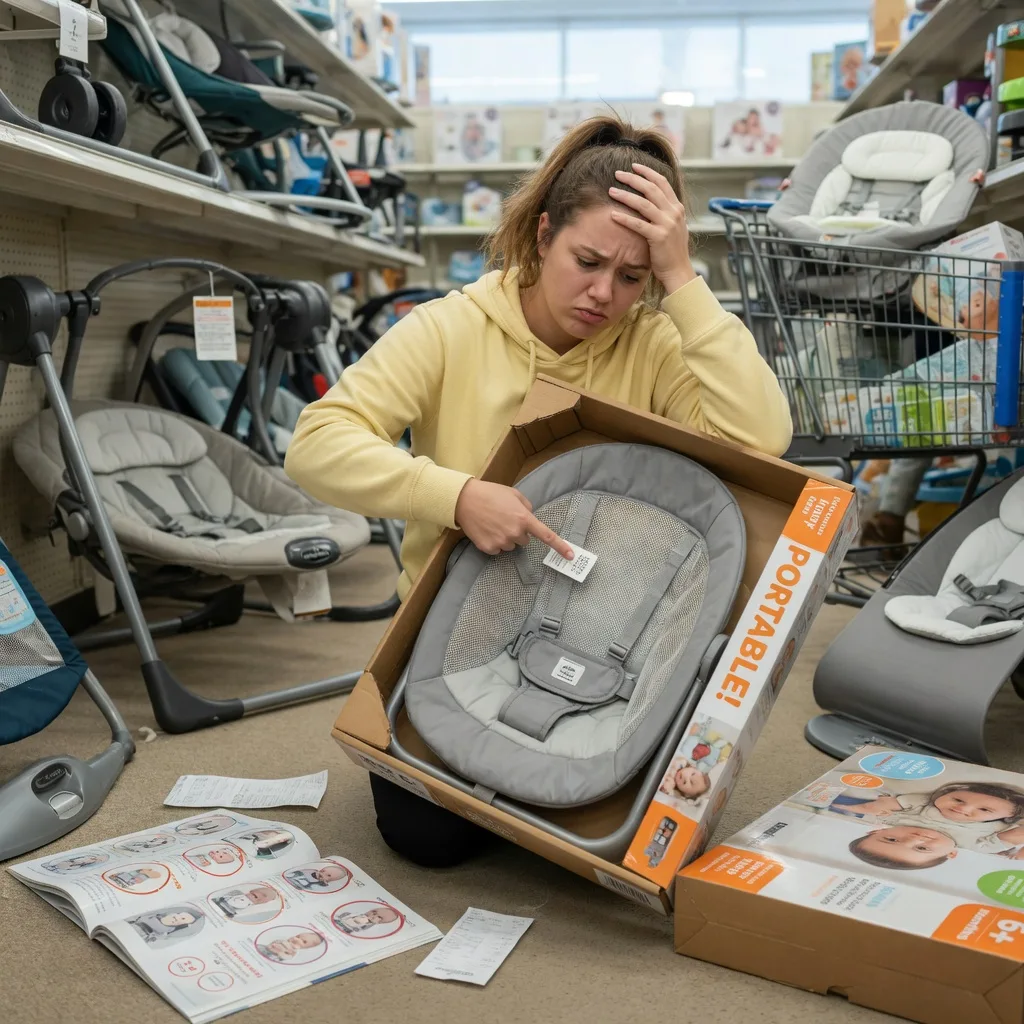
Walking into a baby store or scrolling through endless online listings for a portable baby swing can feel like handling a maze blindfolded. With dozens of brands, features, and price points competing for your attention, it’s no wonder so many new parents end up with buyer’s remorse—stuck with a swing that collects dust because their baby refuses to settle in it, or worse, one that raises safety concerns after it’s already assembled in the living room. The money spent on the wrong choice stings, but the frustration of a still-fussy baby stings even more.
This guide exists to help you sidestep the most common purchasing mistakes parents make when choosing a portable baby swing. By understanding these pitfalls before you shop, you’ll save both your wallet and your sanity. We’ll walk through five critical errors: neglecting essential safety features, falling for the cheapest price tag, mismatching the swing to your baby’s developmental stage, skipping real-world research, and misjudging your actual portability needs. Avoid these, and you’ll choose with confidence instead of crossing your fingers at checkout.
Mistake 1: Overlooking Critical Safety Features
Safety isn’t a feature you compare—it’s the foundation everything else builds upon. Yet in the excitement of choosing colors, melodies, and swing speeds, many parents gloss over the safety credentials of a portable baby swing. This oversight can have serious consequences when you’re trusting a powered swing to hold your infant while you step away to grab a cup of coffee or fold laundry.
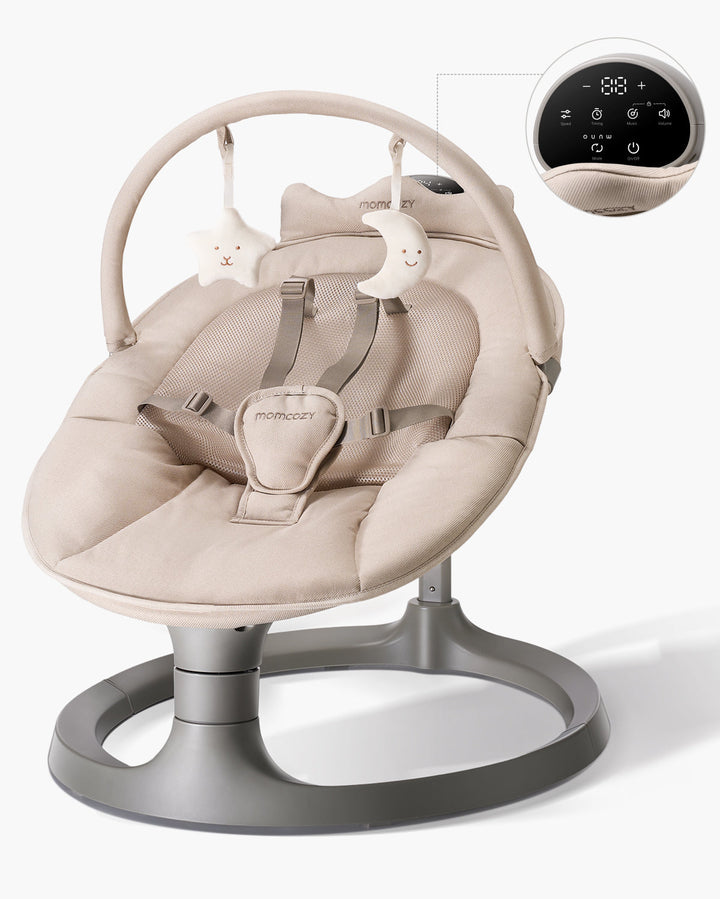
The first red flag is skipping verification of safety certifications. A swing without recognized testing standards behind it is a gamble you don’t want to take with your child. Beyond certifications, examine the base structure carefully. A narrow or lightweight base might look sleek, but it creates a tipping hazard, especially as your baby grows and begins to shift their weight. Look for a wide, low-center-of-gravity design that stays planted even during vigorous swinging. The harness system matters enormously too—a simple lap belt won’t prevent a determined baby from wiggling free or slumping into a dangerous position. A five-point harness secures shoulders, waist, and crotch, keeping your baby properly positioned at all times. For newborns who lack head and neck control, fully reclined positions are essential to maintain an open airway. Finally, don’t overlook automatic shut-off timers. Manufacturers set usage time limits for good reason, and a built-in timer ensures you never accidentally exceed them, even if you lose track of time during a much-needed nap of your own.
Safety Feature Checklist: What Your Baby Swing MUST Have
Before you fall in love with any swing’s aesthetics or features, run it through this non-negotiable checklist. First, confirm it carries JPMA certification and complies with current U.S. Consumer Product Safety Commission standards. Second, inspect the base—it should be wide, sturdy, and resistant to tipping on both carpet and hard floors. Third, verify it includes a reliable five-point harness with adjustable straps that fit snugly without pinching. Fourth, check that it offers appropriate recline positions, particularly a fully reclined option if you have a baby who cannot yet sit independently. Fifth, look for an auto shut-off timer that aligns with recommended usage durations. Sixth, confirm the stated weight limit exceeds your baby’s current weight with room for growth. Treat this checklist as your first filter—any swing that fails even one point gets eliminated immediately, regardless of how many glowing reviews it has or how appealing its other features may be.
Mistake 2: Prioritizing Price Over Long-Term Value
It’s tempting to grab the most affordable swing on the shelf, especially when your budget is already stretched thin by diapers, formula, and pediatrician visits. But the cheapest portable baby swing often becomes the most expensive mistake. A bargain model that breaks after three weeks, lacks soothing variety, or becomes useless once your baby gains a few pounds forces you right back to the store for a replacement—meaning you’ve now paid twice.
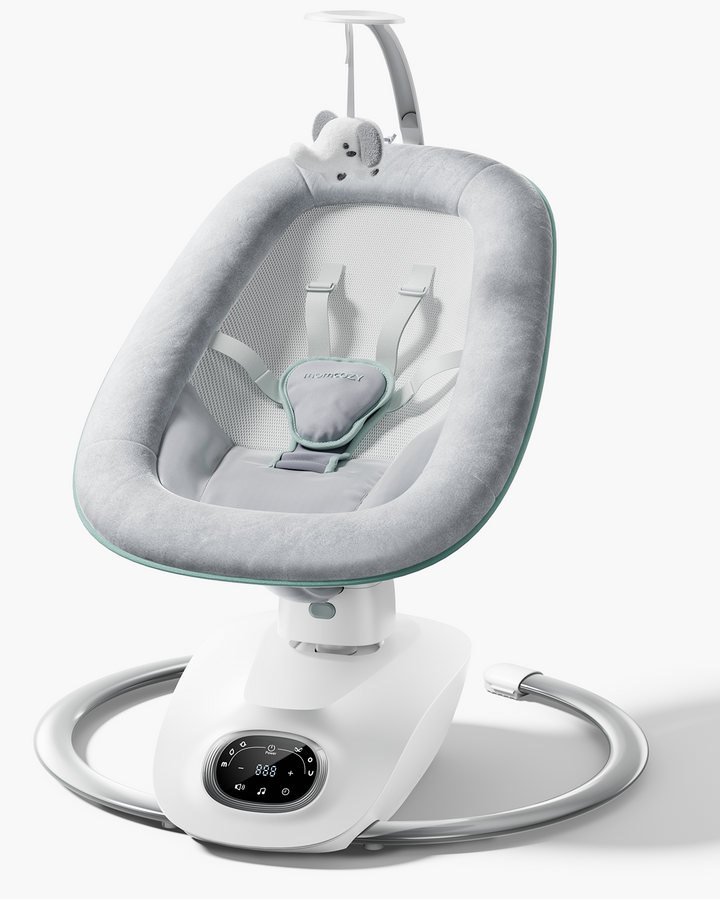
Think of a portable baby swing as an investment in daily functionality rather than a one-time expense. An electric baby swing with variable speed settings, for instance, gives you the flexibility to match the swing’s rhythm to your baby’s mood—gentle rocking for drowsy evenings, slightly faster motion for fussy afternoons. That adaptability extends the swing’s usefulness across months rather than weeks. Similarly, a swing offering multiple motion directions and an adjustable seat grows alongside your baby, serving different developmental stages without requiring an upgrade. Consider the energy source as well. Battery-only models seem convenient until you’re burning through expensive batteries weekly. A swing with both a battery option for travel and an AC adapter for home use strikes the practical balance, keeping operating costs low while maintaining true portability. Brands like Momcozy that focus specifically on mother and infant needs often design swings with this dual-power flexibility in mind. The goal isn’t to spend the most—it’s to spend wisely on a swing that delivers consistent value throughout your baby’s first year.
Mistake 3: Ignoring Your Baby’s Age, Weight, and Development
A portable baby swing isn’t a universal solution that works identically for every infant at every stage. Treating it as one-size-fits-all leads parents to purchase a swing their baby either can’t safely use yet or has already outgrown. The distinction matters more than most realize: a newborn swing must offer a fully reclined seat and ultra-gentle motion because young infants lack the muscle control to hold their heads upright or stabilize their torsos. Placing a two-week-old in a swing designed for a four-month-old who can support their own head creates a genuine suffocation risk.
Always respect the manufacturer’s stated weight and age limits—they exist based on engineering tolerances, not marketing decisions. Exceeding them compromises structural integrity and harness effectiveness. Beyond safety thresholds, consider head and neck support. Younger babies need plush, contoured inserts that cradle their head and prevent it from falling forward or sideways. As your baby develops, these inserts become unnecessary and can even feel restrictive. Motion preference also shifts with development. Some newborns respond best to gentle side-to-side swaying that mimics being carried, while older babies often prefer head-to-toe rocking that feels more like a traditional swing. Since you can’t always predict which motion your baby will love, try to observe their reactions to different movements during daily handling. If possible, test display models in-store or choose a swing offering multiple motion directions so you’re covered regardless of your baby’s evolving preferences.
Mistake 4: Not Researching Real-World Reviews and User Experiences
Marketing copy exists to sell—it highlights every strength while conveniently omitting weaknesses. Relying solely on a manufacturer’s product page to make your decision is like asking a used car salesman if the vehicle has any problems. The parents who’ve already lived with a swing for months are your most valuable resource, and ignoring their collective experience is a mistake that leads to unpleasant surprises after unboxing.
When reading reviews, don’t just glance at the star rating. Look for recurring themes in both complaints and praise. If multiple parents mention a motor that grows loud after a few weeks, that’s a pattern worth noting. If dozens of reviewers specifically call out how well the swing soothes colicky babies, that carries real weight. Pay attention to comments about assembly difficulty, actual portability versus advertised claims, and whether the swing operates as a truly quiet swing or produces a distracting hum. Seek out reviews on dedicated parenting forums and established retail sites where verified purchases carry more credibility than anonymous testimonials. Cross-reference professional “best baby swing” roundups with genuine user feedback—when expert recommendations align with enthusiastic parent reviews, you’ve likely found a reliable option. Ask yourself specific questions as you research: Can one person assemble it without help? Does it fold as easily as the photos suggest? Do babies actually calm down in it, or does it just look impressive on a shelf?
Mistake 5: Underestimating Portability and Storage Needs
The word “portable” appears on nearly every baby swing box, but the reality of hauling a swing from the kitchen to the bedroom—or loading it into the car for a weekend at the grandparents’ house—quickly announces whether that label is honest or aspirational. Many parents purchase a swing assuming it will move effortlessly through their daily routine, only to discover it’s too bulky to fit through doorways without angling, too heavy to carry one-handed while holding a baby, or impossible to store without dedicating an entire closet corner to it.
Before purchasing, measure the space where you plan to use the swing most frequently, then measure where you’ll store it when not in use. A swing that barely fits between your couch and coffee table will frustrate you daily. Think honestly about how you’ll actually use it—will it live permanently in one room, or do you need to move it multiple times a day? If mobility matters, prioritize models that fold with one hand in just a few seconds, not ones requiring you to disassemble components or wrestle with complicated latches. Evaluate the carrying handle design and overall weight; anything above fifteen pounds becomes burdensome quickly when you’re already juggling a diaper bag and an infant carrier. A truly portable swing should collapse flat enough to slide behind a door or into a car trunk without a Tetris-level spatial challenge. When these practical considerations align with your actual lifestyle, the swing becomes a smooth part of your routine rather than an obstacle you work around.
The Step-by-Step Guide to Finding Your Perfect Portable Swing
Turn everything you’ve learned into a simplified action plan. Step one: apply the safety checklist from Mistake 1 and immediately eliminate any swing that falls short on certifications, harness quality, or stability. Step two: set a realistic budget that prioritizes long-term value—identify swings offering multi-speed settings, dual power options, and adjustable features within your range. Step three: honestly assess your baby’s current developmental stage, weight, and the support they need right now, while considering how quickly they’ll grow. Step four: shortlist two or three models, then spend time reading verified parent reviews on retail sites and parenting forums, watching for patterns in feedback about noise, durability, and true soothing effectiveness. Step five: grab a tape measure and confirm your top choices fit your living space and storage areas, factoring in how often you’ll relocate the swing. Step six: make your decision knowing you’ve covered safety, value, fit, real-world performance, and practicality. This systematic approach replaces guesswork with confidence, ensuring the swing you bring home actually works for your family.
Shop Smarter: Your Path to the Perfect Portable Baby Swing
The path from overwhelmed parent to confident buyer comes down to avoiding five preventable mistakes. Don’t overlook safety features that protect your baby’s life—certifications, stable bases, and proper harnesses aren’t optional extras. Don’t chase the lowest price tag when a slightly higher investment delivers months of reliable soothing rather than weeks of frustration followed by a replacement purchase. Don’t ignore your baby’s specific developmental needs, because a swing mismatched to their age or weight becomes either dangerous or useless. Don’t skip the collective wisdom of parents who’ve already tested these products in real homes with real babies. And don’t assume “portable” means the same thing on every box—measure, lift, and fold before you commit.
When you sidestep these pitfalls, choosing a portable baby swing stops feeling like a gamble and starts feeling like a decision you control. The right powered swing becomes more than plastic and motors—it becomes the tool that finally lets your baby drift off peacefully while you catch your breath, eat a warm meal, or simply sit in quiet for five uninterrupted minutes. Use the steps outlined here, trust the process, and bring home a swing that genuinely serves your family’s needs. You deserve that confidence, and your baby deserves that comfort.