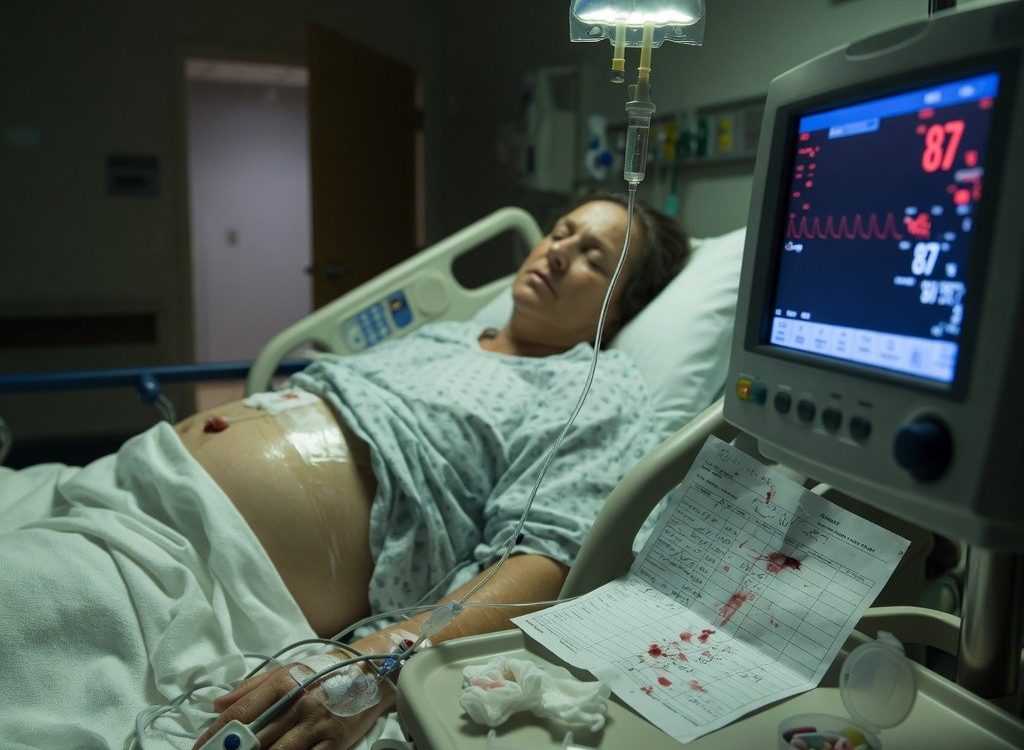
As any medical professional will tell you, every single surgery carries its own risks. However, when people think of surgery going awry, their minds usually drift to unexpected complications during the surgery. Maybe they think of something happening with the anesthesia or a sudden drop in blood pressure. Patients seldom ponder all of the ways in which after-surgery complications can pop up. In reality, though, issues after surgery are far more likely to occur than problems during surgery. This is why it is crucial that each patient is carefully monitored after their procedure — no matter how successful it seemed to go. Medical providers are tasked with taking care of the patient every step of the way — not just during the most dramatic moments of a surgery. When this does not occur, patients can suffer a whole host of negative outcomes. They may be at risk for infection or perhaps their painkillers might not be administered appropriately. In extreme situations, they may even die as a result of negligence during post-operative care.
What Does Improper Post-Surgical Monitoring Look Like?
One of the issues with bad post-surgical monitoring is that it can take so many different forms, so sometimes it can be difficult to realize what’s happening right off the bat. Especially in the haze of recovering from a surgery, many patients will not know exactly what to look for. However, a few things are certain. First, any kind of surgery may open you up to infection. Although modern medicine aims for a sterile environment during surgery, sometimes aftercare fails to reach that high standard. Another red flag can be a distinct change in vital signs. Once you educate yourself and know what to look for, you will be able to see the risks — and potential complications — much more clearly.
Why Is Post-Surgical Monitoring So Important?
Perhaps one of the positive aspects of the social media is the fact that people are exposed to more and more medical cases in which seemingly “normal” procedures result in unintended or even catastrophic results. Although post-surgical monitoring has always been a huge issue, in the past, it was something that was not frequently a topic of popular conversation. Nowadays, one doesn’t have to be a medical malpractice lawyer to realize that these cases are popping up every day in this country. But why? After a surgery, patients are often coming off anesthesia. This can be an intense experience for many. They also may be realizing that they’re in a great deal of pain. Their bodies are starting the healing process, and part of the issue is that this looks different for everyone. Everyone has a different pain threshold, for instance, so medical professionals must customize their care to the individual. A procedure that might be considered completely “routine” can even present surprising issues.
What Does Post-Surgical Monitoring Entail?
Of course, post-surgical monitoring will vary a great deal based upon the type of surgery a patient has had. However, keeping track of patients’ vital signs and looking at oxygen levels is key. Pain monitoring is also crucial. Depending upon the procedure, a patient may be experiencing a great deal of pain right after the surgery. Medical professionals are also tasked with ensuring that the wound is set up to heal correctly — and that any kind of internal complications are not cropping up. Everyone in the patient’s sphere — whether they’re a surgeon or a nurse — has been trained to quickly identify complications before they become dire.
When Is the Most Important Time After Surgery?
Severe complications can develop within hours or days of a surgery. It’s up to the medical team to detect any issues as they’re developing. After all, most complications can be treated quickly with fast intervention.
What Are the Most Common Risks After a Surgery?
Infection
Ever since human beings first started performing surgeries on one another, infection has always presented one of the greatest risks. Unfortunately, any incision can provide an efficient route for bacteria to get into the body. If a medical team ignores some of the initial signs of infection — fever, unusual swelling, strange drainage and redness — for a long period of time, serious issues may arise.
Sepsis
Sepsis, a condition that has been getting more attention in recent years, can occur when the body responds to infections in a way that can damage itself.
Internal Bleeding
It can be tough to recognize the signs of internal bleeding when it seems like everything has gone right. But patients can experience unusual bleeding or bleeding in areas that are not visible. This can lead to a dizzy or weak feeling. When it becomes very serious, patients may experience rapid heart rates, confusion, and low blood pressure. The key is to detect internal bleeding before it turns into an emergency.
Breathing Issues
Many people are not aware that anesthesia can affect breathing. A patient may find that they’re experiencing lower oxygen levels after surgery — or even some type of airway obstruction. Many surgical patients receive anesthesia or medications that can affect breathing. Pneumonia can even occur. When the medical team does not monitor breathing properly, a patient can even experience a TBI (traumatic brain injury) as a consequence.
Blood Clotting
DVT (deep vein thrombosis) can happen when a clot forms after surgery. Perhaps a patient is not as mobile, and a clot occurs. If this clot eventually breaks loose and goes to the lungs, a PE (pulmonary embolism) can occur. occurs when a clot forms in a deep vein, usually in the legs. Shortness of breath and leg pain can be a precursor.
Issues with Medication
All types of medication must be carefully monitored after a surgery. Medical teams should always be looking at dosages and checking to ensure that they are providing the proper amount of each medication.
Why Does Improper Post-Surgical Monitoring Happen?
It can seem strange that post-surgical issues can arise so frequently in this era of technology, but these problems can happen more frequently than many realize. Why is this? These are some common factors that may lead to complications after surgery:
– Shortages in Medical Staffing
– Not Following the Correct Protocol
– Problems with Team Communication
– Poor Training
What are the Potential Consequences?
– Permanent Disability
– Chronic Health Concerns
– Financial Issues
– Emotional Harm
How Can Patients Protect Themselves?
Communication is key. Always address any unusual problems to your medical team — immediately. Do this even if it feels like something minor. As a friend or family member, always advocate for your loved one.
If you or a loved one have suffered at the hands of a doctor, nurse, or other medical professional, you should contact a team of experienced attorneys who can provide clear guidance for birth injury claims and medical malpractice claim.