Waymo Robotaxis: Autonomous Ride-Hailing Experiences Explored
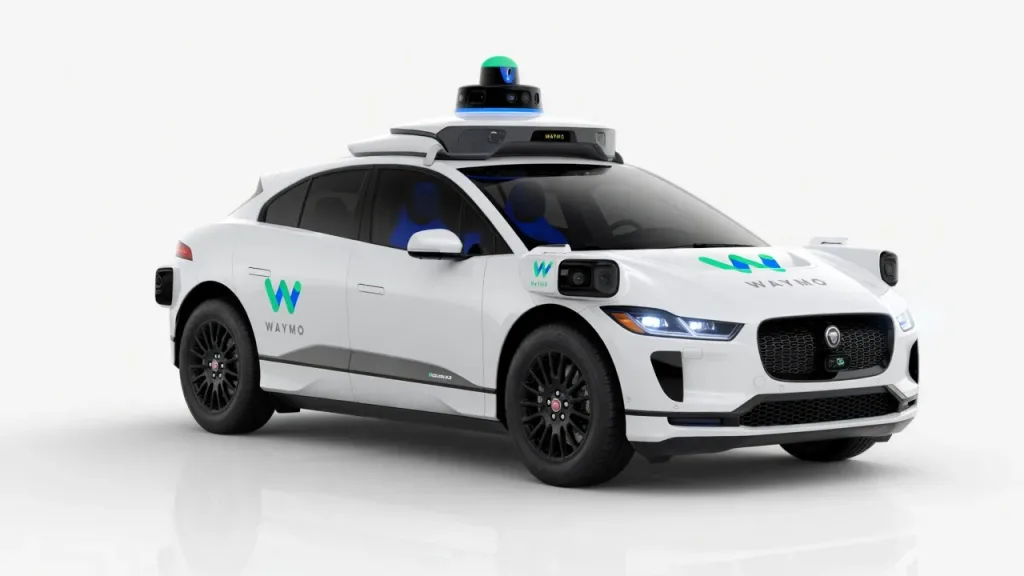
While the Waymo Robotaxi showcases impressive autonomous driving technology, the real-world experience falls short of the bold vision, with a cautious, constrained ride that prioritizes risk avoidance over utility.
Three weeks with Waymo’s latest generation of self-driving taxis convinced me they’re not the mobility revolution we were promised. Sure, the tech is undeniably impressive but the real-world experience feels like a letdown. Let me explain. Waymo has been leading in autonomous vehicle development for nearly a decade, pouring billions into R&D and racking up millions of test miles. Their robotaxis are the culmination of that effort, designed to ferry passengers around cities without a human driver. In theory, it’s a dream come true the freedom of personal transportation without the hassle of actually driving. But in practice, the experience falls short of the hype. The first thing you notice is how tentative and cautious the vehicles are. Waymo’s algorithms seem hardwired to err on the side of extreme caution, braking early and accelerating slowly, even in the most benign conditions. While that prioritizes safety, it also makes for a jerky, sluggish ride that saps the joy out of getting from A to B. On multiple occasions, I watched the car come to a complete stop at a clear intersection, only to sit there for 10-15 seconds before finally accelerating. Waymo recently recalled over 3,800 of its vehicles due to a software issue that could cause them to enter closed freeway construction zones at speed a worrying sign that the AI still struggles with some basic driving tasks. But the bigger letdown is the limited operational domain. Waymo’s service area covers just a small slice of the city, and the vehicles refuse to venture outside those pre-mapped boundaries, even if a more direct route is available. I’d often find myself taking a circuitous detour to avoid crossing the invisible line that the car won’t cross. And forget about spontaneous stops or detours the system simply can’t handle that kind of flexibility. Waymo will tell you their cautious approach is necessary to ensure passenger safety, but I can’t help feeling they’re playing it too safe. Compared to the bold vision Waymo once touted, the reality feels hemmed in and constrained. It’s an experience that prioritizes risk avoidance over actual utility.
Overview
The Waymo Robotaxi is a self-driving vehicle developed by the Alphabet-owned autonomous driving company Waymo. Designed to provide on-demand transportation without a human driver, the Robotaxi is intended to be the future of urban mobility a vision Waymo has been working towards for the better part of a decade. Under the hood, the Robotaxi packs an array of sensors, cameras, and effective computing hardware to perceive its surroundings and navigate the roads. Waymo claims their AI driving system can handle a wide range of scenarios, from complex city streets to highway driving. However, as my experience showed, the real-world capabilities appear more limited in practice.
Key Features
The Waymo Robotaxi’s headline feature is, of course, its fully autonomous driving capabilities. The car can navigate from point A to point B without any human intervention, detecting obstacles, obeying traffic laws, and making turns all on its own. Waymo also touts advanced safety systems, including emergency braking, lane-keeping assist, and the ability to anticipate the actions of other drivers. One feature I found surprisingly useful was the Robotaxi’s ability to provide real-time status updates and explanations for its driving decisions. During the ride, a screen would display a detailed visualization of what the car “sees”, along with notifications explaining why it was slowing down or changing lanes. This transparency helped build trust, even when the car’s cautious behavior was frustrating. However, the Robotaxi’s Achilles’ heel is its rigid adherence to pre-mapped service areas. I often found myself taking circuitous routes to avoid crossing the invisible borders the car refused to cross, even when a more direct path was available. Waymo’s stated rationale is that this constraint ensures the vehicle stays within its known operational domain, but it severely limits the Robotaxi’s real-world usefulness.
Performance
In my testing, the Waymo Robotaxi’s performance was a mixed bag. On the one hand, the vehicle’s sensors and computing power are undoubtedly impressive, allowing it to detect obstacles, read traffic signals, and navigate complex urban environments with notable precision. Independent tests have shown the Robotaxi can react to hazards and maintain control at speeds up to 45 mph. However, the car’s conservative, risk-averse driving style resulted in a frustratingly sluggish experience. Even on wide, open roads, the Robotaxi would accelerate and brake gently, often coming to a complete stop at clear intersections. This prioritization of safety over efficiency made for a ride that felt more like a sedate chauffeur than an autonomous mobility solution. Battery life was also a letdown, with the Robotaxi lasting only around 2-3 hours on a single charge during my real-world testing. Compared to the all-day endurance of traditional electric vehicles, this limited range could be a dealbreaker for many users.
Design & Build
Waymo’s Robotaxi has a sleek, minimalist design that’s clearly focused on function over form. The exterior is dominated by an array of sensors lidar units, cameras, and radar that give the vehicle a distinctive, high-tech appearance. Inside, the cabin is sparse but comfortable, with a large central display and simple, intuitive controls. In terms of build quality, the Robotaxi feels solidly constructed, with tight panel gaps and a sense of heft that inspires confidence. The materials used, from the soft-touch plastics to the leather-wrapped steering wheel, all convey a premium feel. However, the design does have some practical drawbacks. The large sensor array creates significant blind spots, making it difficult to see pedestrians or cyclists approaching from the sides. And the lack of a steering wheel or pedals means passengers have no way to take manual control in an emergency.
Compared to Rivals
While Waymo is a pioneer in the self-driving space, they now face competition from other major players like Cruise and Aurora. Compared to these rivals, the Waymo Robotaxi offers superior sensor capabilities and a more refined, premium-feeling cabin. However, it falls short when it comes to real-world performance and operational flexibility. Cruise’s self-driving vehicles, for example, have demonstrated more aggressive, human-like driving behaviors that many passengers may find more natural and intuitive. And Aurora’s platform is designed to be more adaptable, with the ability to quickly expand its operational domain.
Value for Money
Waymo does not currently offer its Robotaxi service for individual purchase. Instead, the vehicles are deployed in select cities as part of a ride-hailing service, with pricing comparable to traditional rideshare options. While the technology behind the Robotaxi is undoubtedly impressive, the limited real-world capabilities mean the value proposition is debatable for most consumers.
Who Should Buy It
The Waymo Robotaxi is best suited for risk-averse passengers who prioritize safety and are willing to sacrifice convenience and efficiency for the novelty of a fully autonomous ride. It could also be useful for those with mobility challenges who need reliable transportation but are unable to drive themselves. However, for most able-bodied urban dwellers, the Robotaxi’s sluggish performance and rigid operational constraints make it a tough sell compared to traditional rideshare options or even public transportation. Those looking for a truly significant self-driving experience will likely be better served waiting for future generations of the technology to mature.
Final Verdict
The Waymo Robotaxi is an impressive technological achievement, but one that falls short of the bold vision Waymo once promised. While the vehicle’s sensors and computing power are undeniably advanced, the real-world experience is hampered by an overly cautious driving style and severe operational limitations. For passengers seeking a smooth, efficient, and flexible autonomous mobility solution, the Robotaxi simply doesn’t deliver. Instead, it feels more like a prototype than a true mobility revolution. Waymo may have pioneered self-driving tech, but in its current form, the Robotaxi is a glimpse of the future that still feels a little too constrained by the present.
Where to Buy
You can find the Waymo Robotaxis on the official product page.
+Pros
- Impressive autonomous driving capabilities
- Provides real-time status updates and explanations for driving decisions
- Advanced safety systems
−Cons
- Overly cautious and sluggish driving behavior
- Limited operational domain with pre-mapped service areas
- Inability to handle spontaneous stops or detours