Network efficiency
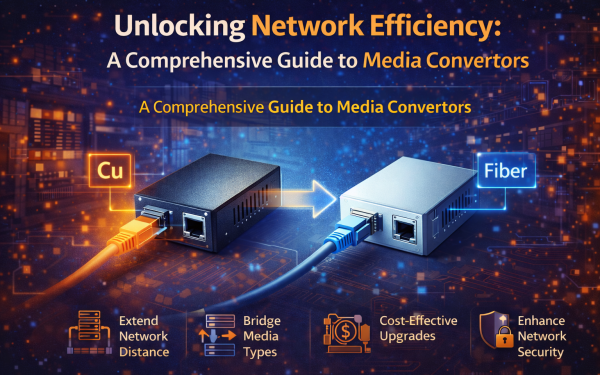
Unlocking Network Efficiency: A Comprehensive Guide to Media Convertors
In the realm of networking, efficiency and adaptability are paramount. One way to enhance both is through the use of a media convertor. These devices play a crucial role in the integration of various media formats within a single network infrastructure. Understanding Media Convertor Media convertors are devices that enable the conversion between different types...
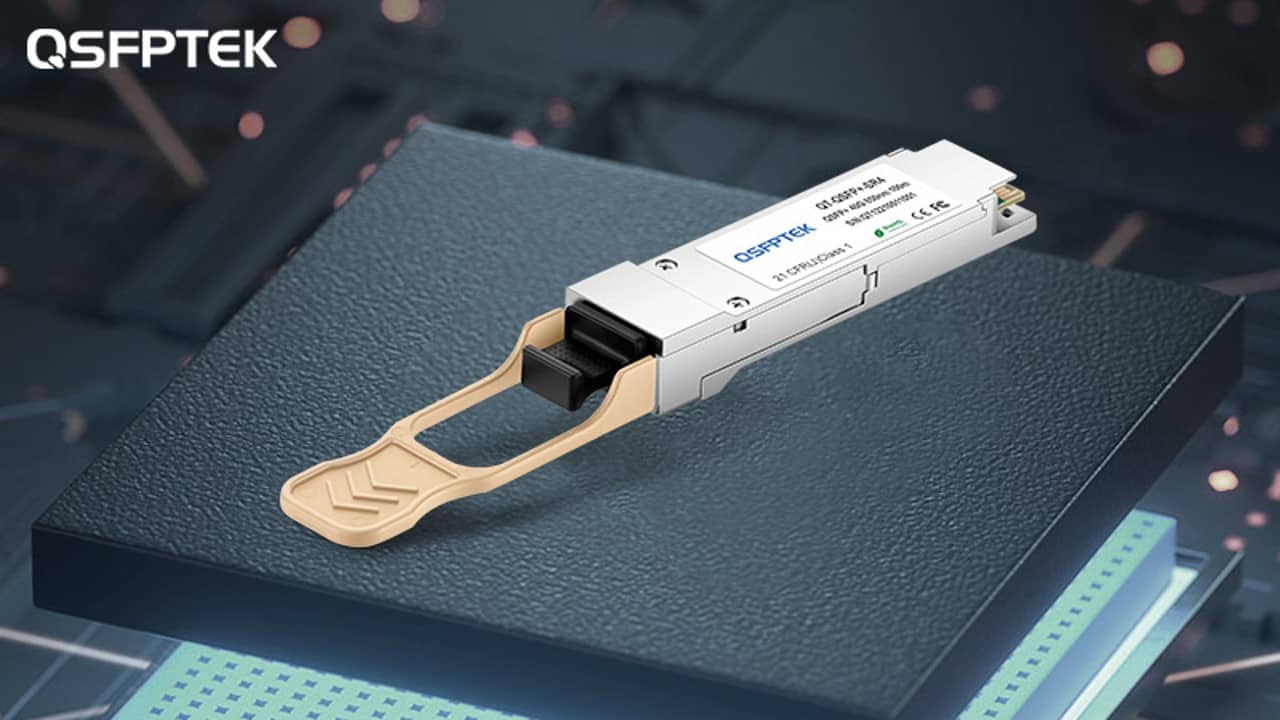
The 40GBASE-SR4 Optical Module: What’s New, and How Does It Benefit You?
The 40GBASE-SR4 optical module is an optical transceiver that transmits data at 40 gigabits per second. It has a maximum reach of 100 meters, and it can work with any fiber optic cable. The 40GBASE-SR4 optical module has many uses, including data centers, data warehouses, and cloud computing facilities. The 40GBASE-SR4 module is a 40G...
Mastering EIGRP Router ID Configuration
EIGRP router ID is a 32-bit unique identifier identifying the router in the EIGRP domain. The router ID (RID) is represented in the same way as the IPv4 address. The router ID is used both in EIGRP and OSPF, while the role of the router ID is more significant in OSPF. EIGRP automatically selects the...
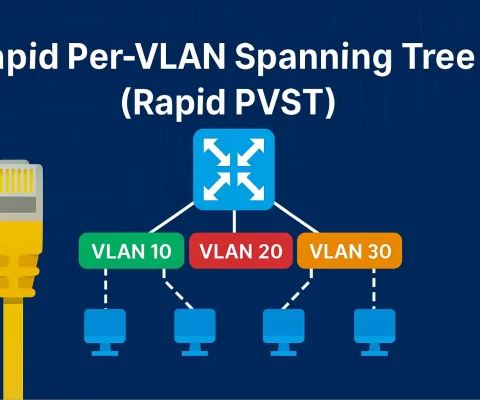
Master How to Configure Spanning-Tree Mode – Rapid PVST+ (Updated 2025)
As a cornerstone of Layer 2 redundancy in Cisco networks, Rapid Per-VLAN Spanning Tree Plus (Rapid PVST+) is essential for CCNA 200-301 exam candidates and CCNP ENCOR professionals alike. This guide walks you through configuration, labs, troubleshooting, and best practices to master “how to configure Rapid PVST+ on Cisco Catalyst switch CCNA lab” scenarios. Whether...
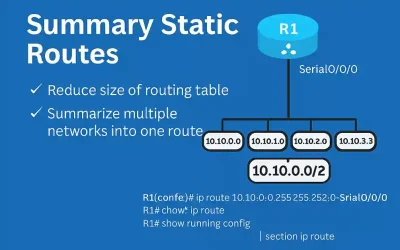
What is Summary Static Route? – Briefly Explained
Static routes are manually configured entries in a router’s routing table, directing traffic to specific destinations. Unlike dynamic routing protocols like OSPF or EIGRP, static routes offer simplicity and control, making them ideal for small networks or specific scenarios like stub networks or default gateways. For CCNA and CCNP students, mastering static routes and their...
Master User Datagram Protocol (UDP) With Our Exclusive 2025 Guide
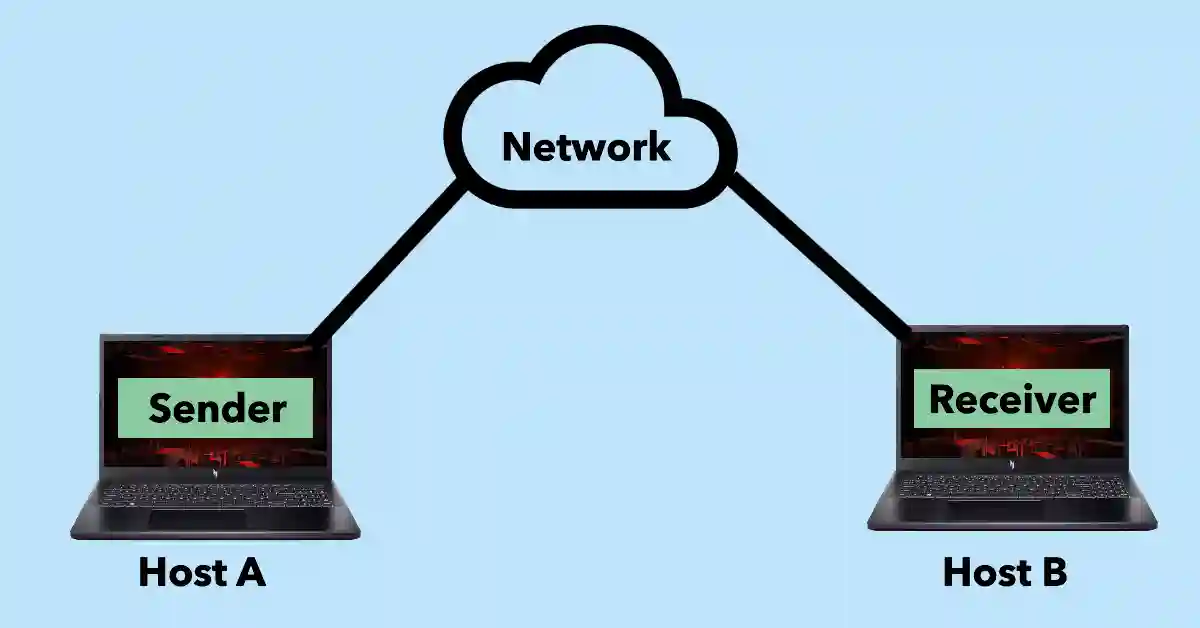
The User Datagram Protocol (UDP) is a lightweight communication protocol optimized for low-latency, loss-tolerant data transmission, ideal for Internet applications. Paired with IP (UDP/IP), it sends datagrams—small data packets—alongside TCP, serving CCNA/CCNP learners in 2025 network design. User Datagram Protocol (UDP) Low Overhead vs Reliability UDP provides basic transport layer functions with lower bandwidth overhead...