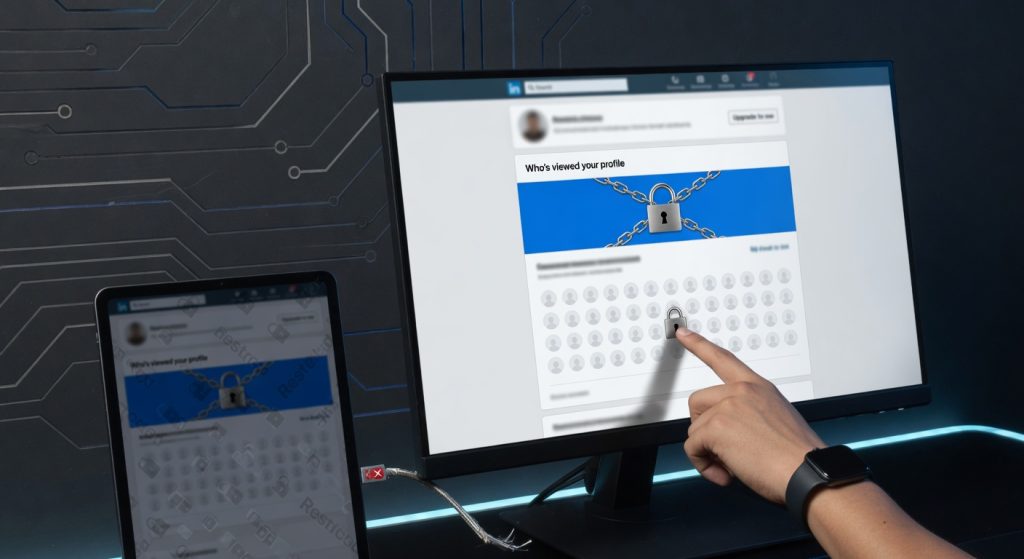
Austrian court filings this week expose LinkedIn profile viewer restrictions as a potential GDPR violation, with digital rights group None of Your Business (NOYB) demanding free access for all EU users. The complaint targets LinkedIn’s practice of locking “who’s viewed your profile” data behind Premium subscriptions, arguing it denies users essential insights into their own personal data processing. For IT professionals managing enterprise social platforms, this escalates scrutiny on how data access controls intersect with regulatory compliance.
NOYB contends that under GDPR Article 15, users hold a “right to access” details on data processors—like profile visitors—without charge. LinkedIn’s paywall, they claim, creates an unlawful barrier, especially since the company already collects and anonymizes this data for analytics. This isn’t isolated; similar complaints have pressured platforms like Meta over shadow profiles. Enterprises relying on LinkedIn for talent scouting or B2B networking now face ripple effects, as non-compliance could trigger fines up to 4% of global revenue.
GDPR’s Data Access Mandates
GDPR enforces strict transparency for personal data handlers. Article 15 guarantees users confirmation of processing activities, including categories of recipients—here, profile viewers. NOYB highlights that LinkedIn processes this data regardless of subscription status, yet restricts full disclosure to paying users. Courts may rule this as “disproportionate,” akin to past fines against Google for search history paywalls.
IT teams should audit internal platforms using tools like OneTrust or TrustArc to map similar features. For instance, if your CRM limits lead interaction logs to premium tiers, it risks equivalent challenges. Reference the GDPR.eu Article 15 breakdown for precise compliance checklists.
Enterprise Networking Implications
LinkedIn’s 1 billion+ users make it a critical node in professional networks, but profile viewer restrictions amplify risks for corporate accounts. Security analysts note that without full visibility, professionals can’t detect targeted reconnaissance—common in spear-phishing campaigns. A restricted view might miss repeated visits from suspicious domains, delaying incident response.
In enterprise setups, integrate LinkedIn data via APIs with SIEM tools like Splunk or Elastic Security. This aggregates viewer patterns with threat intel feeds, bypassing paywalls legally. NOYB’s action underscores a shift: platforms must treat data access as a baseline right, not a revenue stream. IT pros handling social engineering defenses should prioritize zero-trust verification for all inbound profile interactions.
Platform Compliance Challenges
Tech giants face mounting legal pressure across Europe. NOYB, led by Max Schrems, has won precedents like the 2020 Schrems II ruling invalidating EU-US data transfers. This LinkedIn case tests whether monetized analytics violate data minimization principles under GDPR Article 5. LinkedIn defends by offering anonymized trends to free users, but NOYB argues this obscures identifiable processing logs.
For network engineers, this signals broader audits of SaaS integrations. Scan configurations for paywalled telemetry using Nessus or Qualys, ensuring compliance with EUR-Lex GDPR text. Enterprises in finance or HR, heavy LinkedIn users, must log access requests meticulously to avoid cascading violations.
Technical Workarounds for IT Teams
Deploy proxy analytics via open-source tools like Matomo to mirror LinkedIn insights without subscriptions. Configure browser extensions pulling public metadata, or use GraphQL endpoints for bulk profile queries—staying within ToS. Pair with advanced user engagement tracking to replicate viewer data internally.
What This Means for You
NOYB’s complaint could force LinkedIn to democratize viewer data EU-wide, reshaping B2B networking tools. IT leaders must reassess GDPR-aligned architectures, prioritizing open access over gated features. Conduct immediate audits: map data flows, test Article 15 requests, and simulate paywall scenarios.
Forward, expect more suits targeting freemium models. Professionals gain leverage—demand transparency now. Austrian rulings often set EU precedents, potentially unlocking free tools by late 2026.
TREND STATISTICS