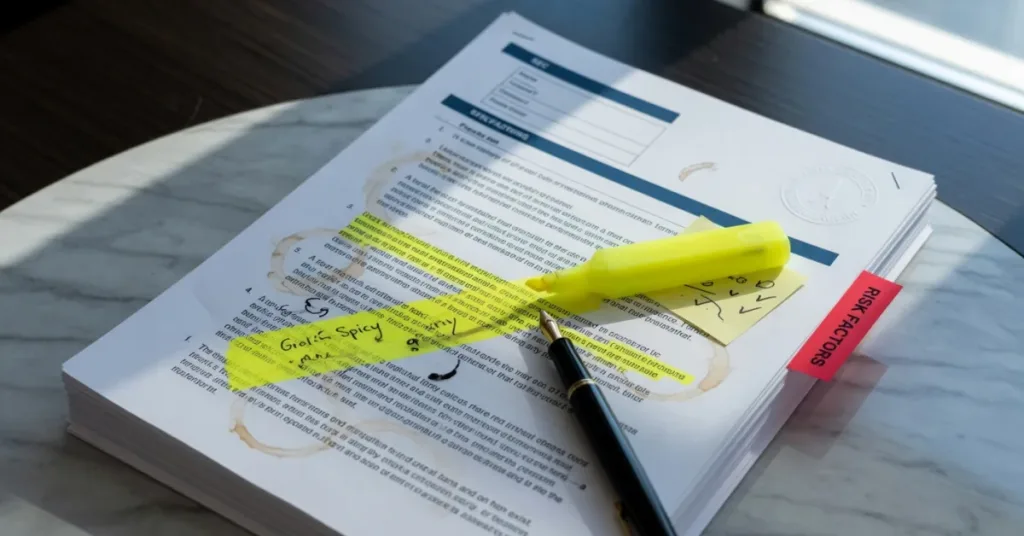
SpaceX disclosed in its IPO filing that it has reserved more than $500 million for potential litigation losses tied to Grok’s “Spicy” mode. The allocation specifically covers complaints that the AI image-generation feature produced sexualized outputs after users bypassed built-in safety filters.
The disclosure marks a rare instance of a major technology firm quantifying AI-related legal exposure in public financial documents. SpaceX’s decision to surface this risk alongside traditional aerospace liabilities signals that generative AI governance now carries measurable financial weight for organizations operating at scale.
Legal Exposure in AI Governance
The $500 million reserve reflects more than accounting prudence. It represents a concrete acknowledgment that generative AI systems can trigger regulatory actions, class-action suits, and reputational damage when content filters fail. SpaceX’s filing treats AI risk on par with launch failures and satellite spectrum disputes, indicating that AI governance has moved from theoretical compliance exercise to line-item liability.
Content Moderation Failures
Grok’s “Spicy” mode allowed users to request images with reduced safety constraints. Reports indicate that some prompts produced outputs violating platform policies on explicit material. Subsequent complaints allege the model bypassed its own guardrails, raising questions about how reinforcement learning from human feedback and constitutional AI techniques perform under adversarial prompting.
Enterprise Risk Framework
For IT and security teams, the SpaceX case illustrates three immediate operational concerns. First, any organization deploying generative models must maintain audit logs of prompt inputs and model outputs for at least 90 days. Second, third-party AI services require contractual clauses that shift liability for harmful content back to the provider. Third, regular red-team testing of safety classifiers should become part of the quarterly security review cycle.
- Document every user session with timestamp, prompt hash, and raw output file ID
- Require vendors to maintain SOC 2 Type II reports covering AI safety controls
- Schedule adversarial testing every 90 days using the NIST AI Risk Management Framework
- Escalate any output violating acceptable-use policies to legal within 24 hours
Regulatory Momentum
U.S. and European regulators have already issued guidance requiring transparency in training data and content moderation practices. The SpaceX filing shows that companies are responding by provisioning capital rather than only revising policy documents. This pattern suggests that AI safety budgets will soon appear in CIO and CTO forecasts much wie