Each company that has organized an influencer marketing campaign has a tale of some mishap. A parcel that got damaged in transit, a content creator who failed to submit the post on time, and a piece of content that got published with messaging completely opposite to brand guidelines. These aren’t rare instances – they are the inevitable inconveniences of creating marketing campaigns based on human elements that you can’t control entirely.
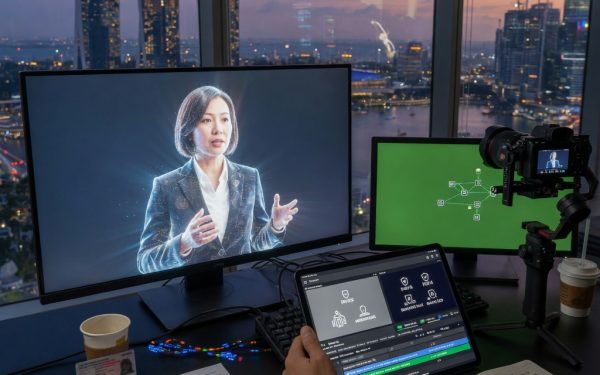
AI-generated avatars as brand ambassadors eliminate the majority of these variables altogether. The avatar repeats your script, uploads the post at your scheduled time, and having no personal thoughts, feelings, or life, it can’t create brand association issues. This is not just a small operational convenience – it represents a totally new kind of connection between a brand and its representative.
The Real Cost of Influencer Shipping and Seeding Programs
At first glance, product seeding seems like a simple idea. You just ship your product to the content creators, they make the content, and you get the real endorsements at scale. However, in reality, the whole logistics part is way more complicated than most companies think when they haven’t tried a big program yet.
Shipping fees escalate quickly, especially when you have international creators or expensive products. Lost parcels, customs hold-ups, and damaged items result in coordination overhead that takes more account management time than the content is typically worth. And after all that, it is not even certain if the creator will post at all -or post according to the timeline your campaign needs.
Often, the content, if it’s delivered at all, won’t be up to brand standards without several touch-ups. The artist has their own voice and style of product presentation, which is great for authenticity but can create conflict when the messaging requirements are very specific. Each revision might put the relationship in jeopardy and the timeline will only get longer.
What Message Control Actually Looks Like in Practice
When you create an AI influencer, you’re not just choosing a face -you’re building a presenter that delivers your message with precision that human influencer programs can’t guarantee. The script is yours. The tone parameters are yours. The specific claims, the order in which benefits are presented, the exact wording of the call to action -all of it is under your direct control before a single frame is generated.
This is especially critical for regulated fields where influencer content needs to comply with rules. Financial services, health and wellness, and legal services – where the language used in a recommendation can have serious legal implications – stand to gain a lot from a situation where the brand has control over what is created rather than having to look at and approve creator content after it is done. The FTC’s Disclosures 101 for Social Media Influencers lays out exactly how strict those disclosure and claim-substantiation rules are, and why deferring compliance responsibility to a third-party creator is a real legal exposure for regulated brands.
This is also relevant in terms of maintaining brand consistency across different markets. When a brand is doing campaigns in multiple languages or regions, it can produce avatar content that presents consistent positioning and messaging in each market without the need to rely on briefing quality or creator interpretation to keep that consistency. Because the brand is writing every word, the brand voice does not get lost in translation.
How AI Avatars Scale What Influencer Programs Can’t
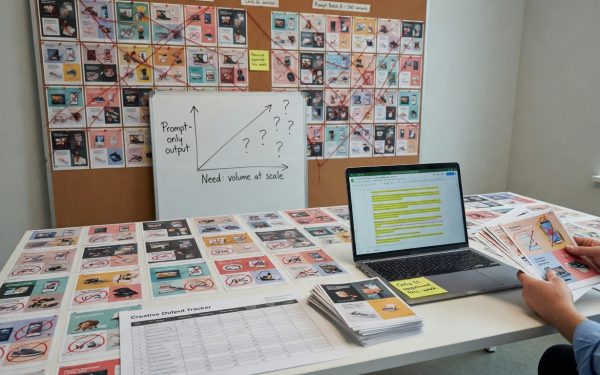
Human influencer programs are notorious for not scaling in a straightforward manner economically. For instance, if you decide to increase your creator roster by two times, your cost, management overhead, and coordination complexity will approximately double as well. As a result, you will have a higher content volume, but the operational burden will be increasing at the same pace as well.
The story with AI avatar influencer content is quite different when it comes to scaling. The additional cost for making an extra video after the first one is negligible. Also, producing ten variations of a piece of content almost costs the same as producing just one. Due to this volume-cost relationship, the testing and optimization methods that only big brands could previously afford are now within reach for any budget level.
Brands that run performance campaigns on Meta or TikTok will see their creative strategy changed dramatically with this. For example, instead of making two influencer videos for a campaign and crossing fingers that one performs well, you create so many different creative variations that you can do structured testing, discover what is really driving performance, and allocate more money to those winners. This is a very significant strategic improvement over the human influencer model.
Handling Brand Safety Without Brand Policing
There is a little concern regarding brand safety in influencer marketing – not the major scandals around the creators, but the small non-brand moments gathering up over time. For example, a creator endorses a rival product in delivering content. Or, a post uses language that doesn’t align with the brand’s desired image. A conversation in the comment section leads to a negative perception of the partnership.
Handling all of these issues at a large scale will require monitoring infrastructure and some relationship management resources that wouldn’t directly result in any content production. It’s defensive overhead, and it’s a part of working with human creators that can’t be avoided because they also have their own brand identities running parallel to yours.
AI avatar influencers don’t have parallel brand identities. They are totally products of your creation – they don’t post by themselves, don’t have opinions other than the ones you write, and don’t create content that needs monitoring for brand safety issues. All brand risk potential associated with human creators is completely eliminated.
Where AI Avatars Work Best Alongside Human Influencers
The decision to go for AI avatars or human influencers is not necessarily a pay-off game. The brands that benefit the most from AI influencer content are usually those that manage to use it in a smart way along with human creator programs instead of completely replacing them.
Human creators still give something that AI avatars don’t -real audience relationships and organic reach. A creator with a devoted fan base presents a kind of credibility that stems from the trust their audience has developed in them. It’s quite challenging to imitate this with a generated presenter, and for creating brand awareness at the top of the funnel, it is often still the higher-value investment.
On the other hand, AI avatars surely do better in the area of paid social creative. Since you are already paying for distribution, the organic credibility advantage of a human creator fades away to a large extent – what matters is which creative format produces the best performance metrics. Therefore, the benefits of AI avatar content in terms of volume consistency, message control, and cost per variation come to the fore.