Day: August 23, 2019
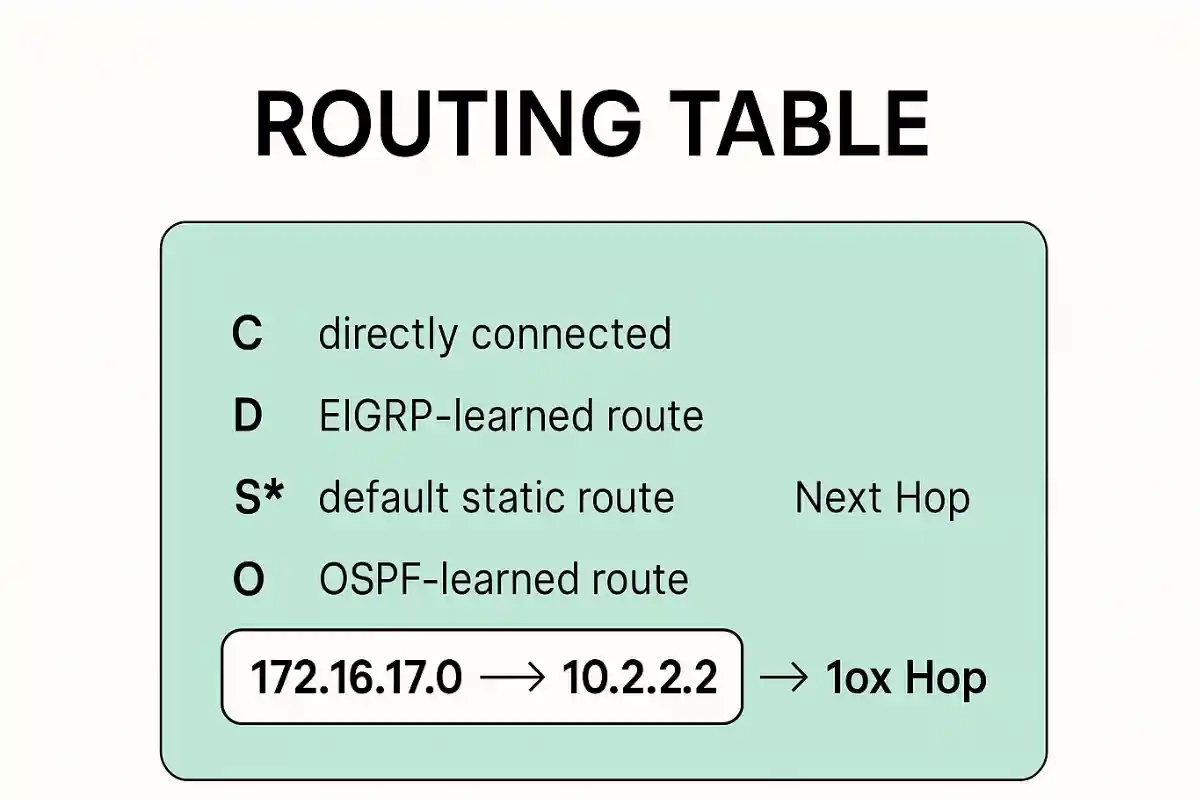
What is a Routing Table -Explained
Routing tables are the backbone of IP networking, guiding routers in forwarding data packets to their intended destinations efficiently. For CCNA and CCNP students, mastering routing tables is essential, as they form a core component of Cisco certification exams and real-world network administration. A routing table contains critical information about network paths, including directly connected...
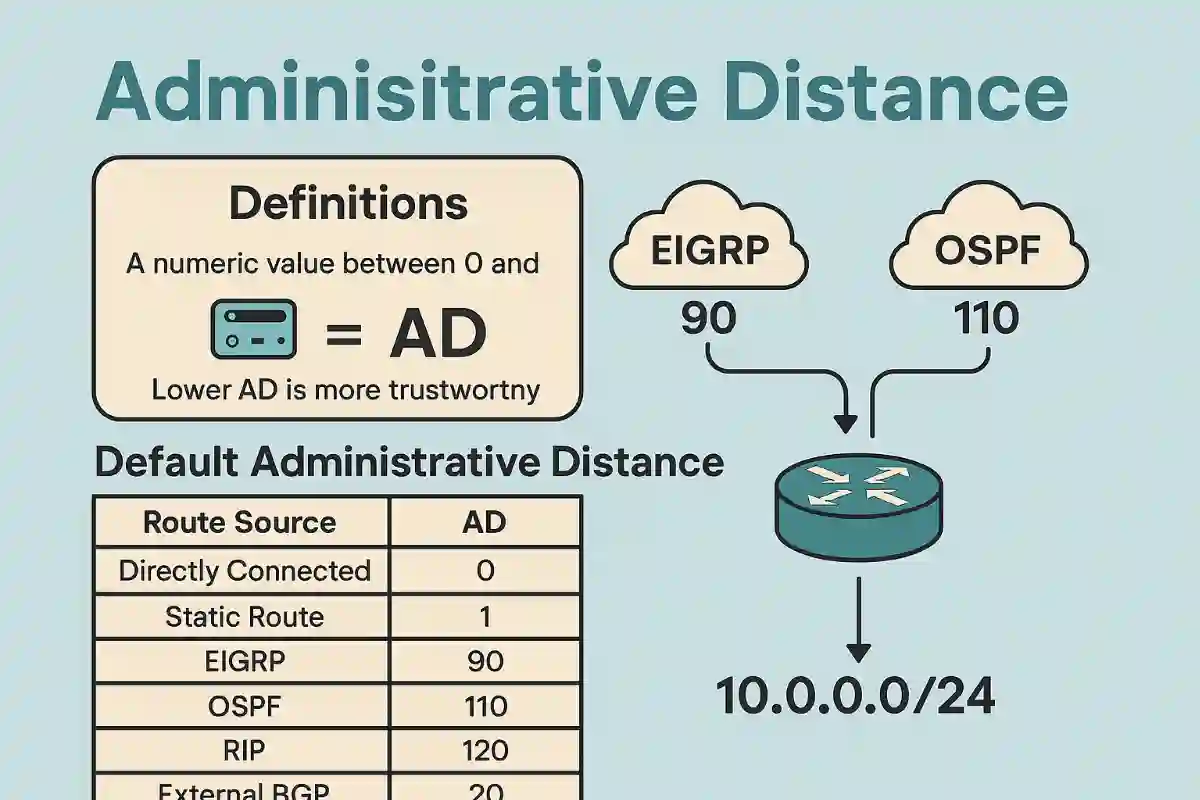
What is Administrative Distance – Explain
In network environments, routers often receive multiple routes to the same destination from different sources, such as routing protocols (e.g., OSPF, EIGRP, RIP), static routes, or directly connected networks. To select the most trustworthy route, Cisco routers use Administrative Distance (AD), a critical concept in the Cisco Certified Network Associate (CCNA) curriculum. This article explains AD’s...
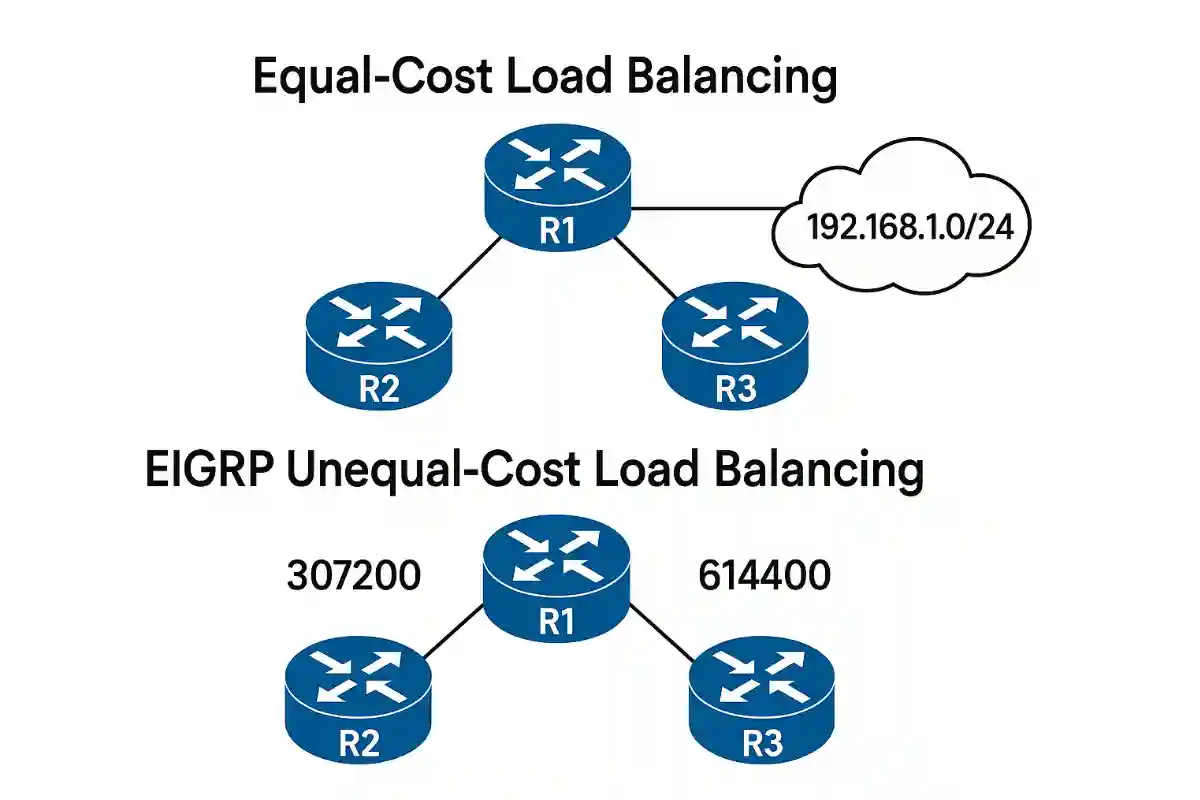
What is Network Load Balancing
Routers use administrative distance (AD) to prioritize routes learned from different routing protocols when multiple paths to a destination exist. AD is a value assigned to each routing protocol, with lower values indicating higher preference (e.g., EIGRP AD is 90, OSPF AD is 110). If multiple paths exist within the same protocol (same AD), the...
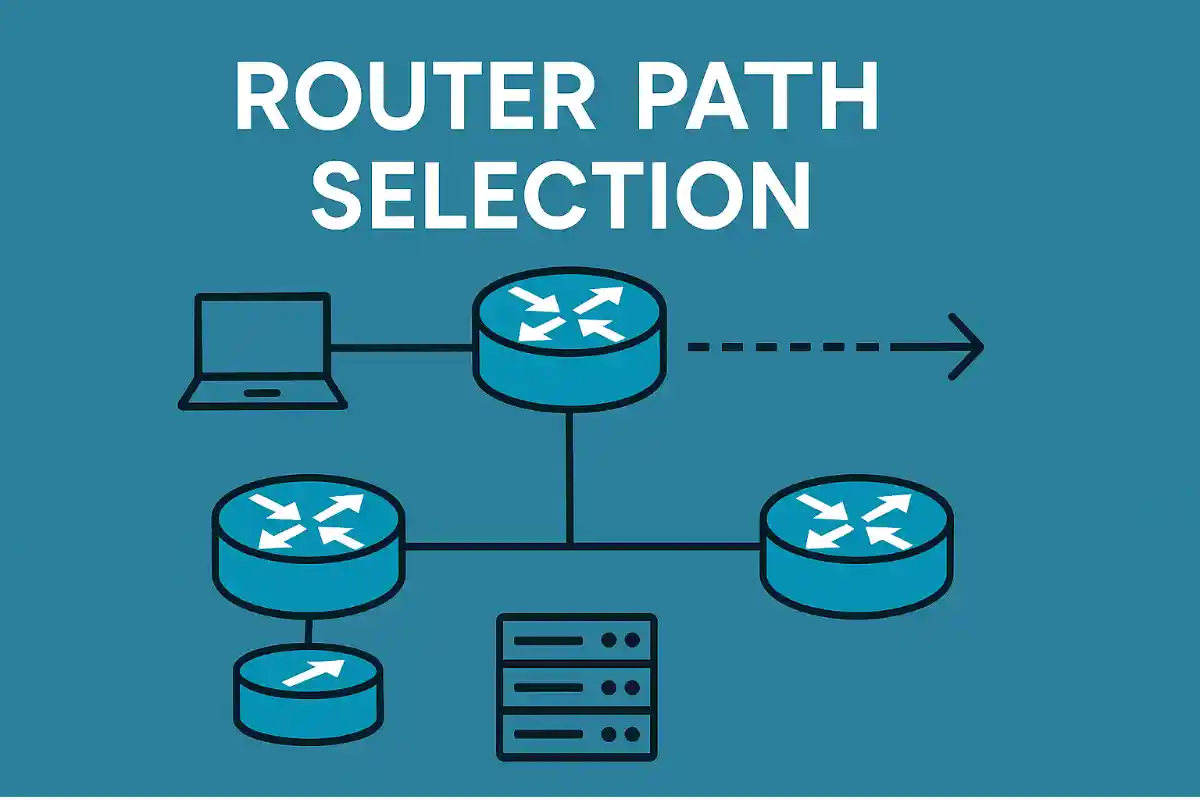
Mastering Router Path Selection: Best Path Determination (Updated 2025)
Understanding how routers select the best path for packet forwarding is a cornerstone of networking and a key topic for CCNA and CCNP certification exams. Routers use their routing tables to determine the optimal path based on metrics like administrative distance and protocol-specific values. This article dives into the mechanics of path selection, including directly...