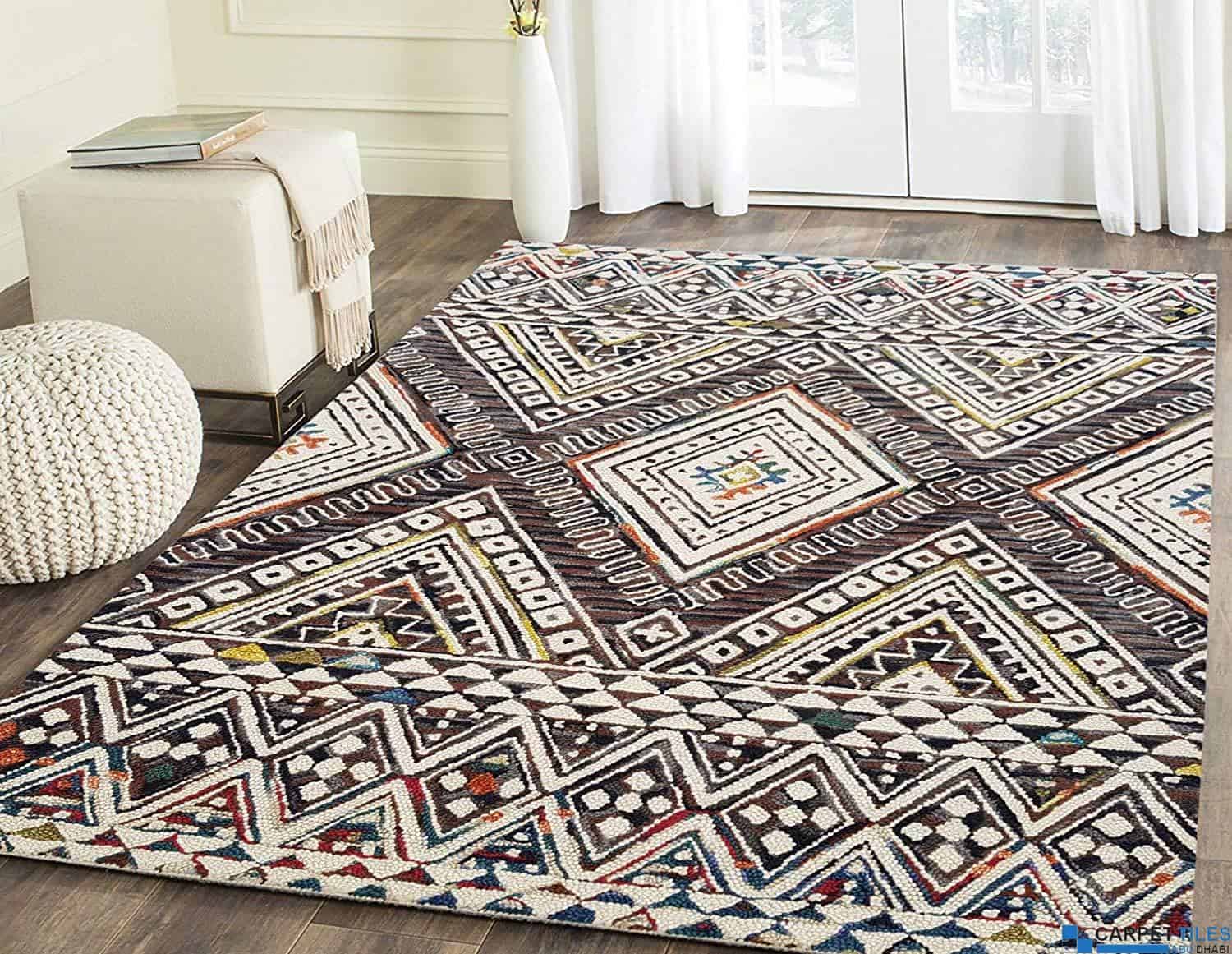
Dubai’s real estate market has seen a surge in high-net-worth buyers, with property transactions exceeding AED 380 billion in 2025. Yet, for all the investment poured into marble flooring and floor-to-ceiling windows, the single most impactful interior element is often an afterthought: the rug. A poorly chosen rug can deaden a room’s acoustics, clash with the angular geometry of modern architecture, and trap the fine desert dust that clogs HVAC systems. The wrong rug is not just a design mistake; it is a maintenance liability.
The conventional advice for buying rugs in Dubai focuses on thread count and color matching. That misses the point entirely. The climate, the construction materials used in Dubai’s villas and apartments, and the specific foot traffic patterns of a household demand a different set of criteria. This guide breaks down exactly what to look for, where to find it, and why most recommendations are incomplete.
The Climate Factor: Why Material Matters More Than Design
Dubai’s summer humidity regularly exceeds 80%, and the fine particulate matter from construction and desert winds settles into every fiber. A standard wool rug, prized in colder climates for its warmth, becomes a sponge for moisture and allergens. The result is a breeding ground for dust mites and mold, which directly impacts indoor air quality and can aggravate respiratory conditions.
Synthetic fibers, particularly polypropylene and nylon, offer a practical alternative. They resist moisture absorption, dry quickly, and are significantly easier to clean. A 2025 study by the Dubai Municipality’s Public Health and Safety Department found that households using synthetic fiber rugs reported 40% fewer dust mite-related allergy symptoms compared to those with natural wool rugs. This does not mean wool is unusable, but it requires a climate-controlled environment and professional cleaning every three months—a recurring cost many buyers overlook.
For those set on natural fibers, consider flat-weave cotton kilims or jute rugs. These materials allow air circulation through the weave, preventing moisture entrapment. They are also lighter, making them easier to take outside for a thorough beating or professional cleaning. The trade-off is durability; jute can fray under heavy foot traffic within two years.
Construction and Pile Height: Matching the Rug to the Flooring
Dubai’s villas frequently feature large-format porcelain tiles or polished marble. These surfaces reflect sound, creating echo chambers in open-plan living areas. A rug with a low pile height (under 8mm) does little to absorb sound. A medium pile (10–15mm) provides adequate acoustic damping without becoming a tripping hazard or trapping debris at the edges.
High-pile or shag rugs, while visually appealing, are a poor choice for homes with underfloor heating, which is common in newer Dubai developments. The thick fibers insulate the heat, reducing the system’s efficiency and creating uneven temperature distribution. For underfloor heating, a flat-weave or low-pile rug with a breathable latex backing is the only sensible option.
The backing material itself deserves scrutiny. Many mass-market rugs use jute or synthetic rubber backings that can stain marble floors over time due to chemical off-gassing or trapped moisture. A non-staining, felted backing or a rug pad made of recycled rubber isolates the rug from the floor and prevents discoloration.
Where to Buy: The Three Tiers of Rug Retail in Dubai
The rug market in Dubai is fragmented across three distinct tiers, each with different trade-offs between cost, authenticity, and service.
Tier 1: Luxury Showrooms and Boutiques
Showrooms in Dubai Design District (d3) and on Sheikh Zayed Road, such as The Rug Company and Illulian, offer hand-knotted silk and wool pieces with provenance documentation. Prices start at AED 5,000 for a small area rug and exceed AED 100,000 for custom pieces. The advantage is quality assurance and design consultation. The disadvantage is markup; the same rug sourced directly from a manufacturer in Turkey or Afghanistan costs 30–50% less.
Tier 2: Souks and Traditional Markets
The Textile Souk in Bur Dubai and the Dragon Mart rug section offer negotiation-based pricing. A buyer can find machine-made polypropylene rugs for as low as AED 200 for a 2×3 meter piece. The caveat is inconsistency. A 2024 consumer report by the Dubai Economic Department found that 18% of rugs purchased from souks had dye bleeding issues within the first six months. Buyers must inspect the rug under natural light, check for loose threads, and request a cleaning test on a corner before purchasing.
Tier 3: Online Retailers and Direct Imports
Platforms like Ruggable and local competitors such as RugVista have grown in Dubai, offering machine-washable rugs with standardized sizing. These are ideal for high-traffic areas and homes with children or pets. The main drawback is the inability to assess texture and color accuracy before purchase. Most offer free returns within 30 days, but the logistics of returning a 3×4 meter rug are cumbersome.
| Retail Tier | Price Range (AED) | Best For | Key Risk |
|---|---|---|---|
| Luxury Showrooms | 5,000 – 100,000+ | Heirloom pieces, custom designs | High markup |
| Souks & Markets | 200 – 3,000 | Budget-friendly, unique patterns | Quality inconsistency |
| Online Retailers | 300 – 2,500 | Washable, standardized sizes | No tactile assessment |
Size and Placement: The Most Common Mistake Buyers Make
The single most frequent error in rug selection is buying a rug that is too small. A rug that floats in the center of a room, with furniture legs entirely off the rug, makes the space feel disjointed and smaller. The rule of thumb for a living room is that the front legs of sofas and chairs should rest on the rug, or the rug should be large enough to accommodate all furniture legs.
For Dubai’s typical villa living rooms—often 6×8 meters or larger—a 2.5×3.5 meter rug is the minimum functional size. In dining rooms, the rug must extend at least 60 centimeters beyond the table edges to allow chairs to slide in and out without catching the rug’s edge. A 2023 survey by the Interior Design Association of Dubai found that 72% of homeowners regretted their rug size within the first year, citing visual imbalance or tripping hazards.
In apartments with open-plan layouts, zoning with rugs is essential. A single large rug can define the living area, while a separate runner or smaller rug under the dining table creates distinct functional zones without physical walls. This approach is particularly effective in studios and one-bedroom apartments common in Dubai Marina and Downtown.
Maintenance: The Hidden Cost of Ownership
A rug’s total cost of ownership includes cleaning, which in Dubai’s climate is non-negotiable. Professional cleaning services charge between AED 150 and AED 400 per rug, depending on size and material. For a household with three rugs, that is an annual cost of AED 1,200 to AED 3,200. Buyers should factor this into their budget.
For everyday maintenance, a vacuum cleaner with a HEPA filter is critical. Standard vacuums recirculate fine dust particles, defeating the purpose of cleaning. The Dyson V15 Detect or a Miele C3 Cat & Dog are commonly recommended by professional cleaners in Dubai for their sealed filtration systems.
Spot cleaning requires immediate action. The high mineral content of Dubai’s tap water can leave white residue stains on dark rugs. Use distilled water or a specialized rug cleaner like Capture Dry Carpet Cleaner for spot treatment. Avoid steam cleaning on synthetic rugs; the heat can warp the fibers and cause the backing to delaminate.
For those considering a complete interior overhaul, the choice of rugs should align with the overall design strategy. Many homeowners find that coordinating rug purchases with interior design companies in Dubai ensures a cohesive look across materials, colors, and textures. Similarly, the principles of selecting window treatments overlap significantly with rug selection—both involve fabric, light management, and climate adaptation. A thorough guide on choosing curtains in Dubai covers similar considerations for material and maintenance.
The Counterintuitive Insight: Cheap Rugs Are Often the Smarter Choice
This is the recommendation most designers will not give. For a family with young children or pets, the best rug is an inexpensive, machine-washable polypropylene rug from a retailer like Ruggable or a souk bargain. The reason is lifecycle cost. A high-end wool or silk rug that requires professional cleaning every quarter and risks permanent staining from a single juice spill will cost more in maintenance and replacement anxiety than a cheap rug replaced every two years.
Data from the Dubai-based cleaning service CleanPro indicates that 65% of service calls for rug damage involve rugs priced above AED 3,000. The owners delay cleaning due to cost, leading to permanent staining and fiber degradation. Meanwhile, budget rugs are cleaned more frequently or replaced without hesitation, resulting in better overall hygiene.
This does not apply to low-traffic areas like master bedrooms or formal dining rooms, where an investment piece can last decades with proper care. The key is matching the rug’s cost to the traffic level and risk profile of the room.
For buyers new to the city, the broader context of investing in Dubai real estate often includes furnishing decisions that impact property value. A well-chosen rug can enhance the perceived value of a home during resale or rental showings. In communities like Dubai Hills, where properties command premium prices, the finishing touches matter.
Selecting the best rug in Dubai is not about finding the most expensive or most beautiful piece. It is about understanding the specific environmental conditions, the functional demands of the room, and the realistic maintenance commitment. A rug that fails on any of these criteria is not a good rug—regardless of its price tag or origin.
The market offers options at every price point, but the buyer who walks in with a clear understanding of material science, sizing rules, and cleaning logistics will walk out with a rug that performs for years. That is the only definition of “best” that matters.