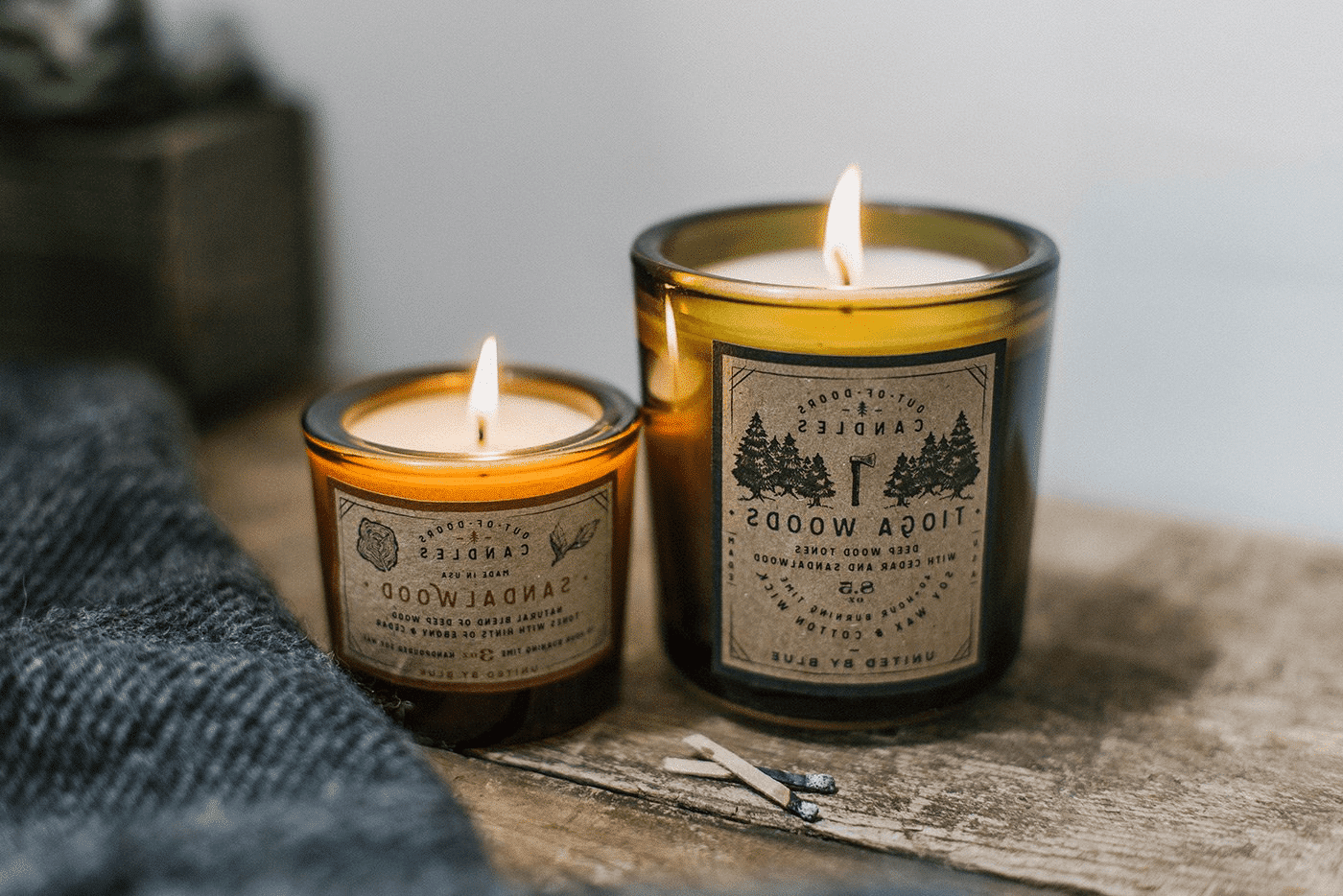
A single candle box from luxury brand Diptyque sells for $45 empty—more than most scented candles themselves. This isn’t just packaging; it’s a meticulously engineered product category where material science, scent preservation, and consumer psychology collide.
Why Candle Boxes Are More Than Just Packaging
Most consumers discard candle boxes immediately, but brands invest up to 15% of a candle’s production cost in these containers. The reason? A 2026 Nielsen study found candles sold in premium boxes have 23% higher repurchase rates, even when the candle itself is identical.
Key functions modern candle boxes serve:
- Scent preservation: Laminated paperboard with PET layers prevents fragrance degradation (Yankee Candle’s 2025 patent)
- Safety compliance: Flammability ratings printed via thermochromic ink that disappears if exposed to heat
- Retail display: Magnetic closures or ribbon pulls that increase shelf visibility by 40% (Retail Packaging Alliance data)
The shift toward personalized luxury has made candle boxes a status symbol—Jo Malone’s limited-edition boxes now trade on StockX for up to $120.
The Material Revolution in Candle Packaging
Traditional cardboard is being replaced by:
| Material | Adoption Rate (2026) | Key Advantage |
|———-|———————|————–|
| Molded pulp | 32% | 100% biodegradable, 3D shapes |
| Rice husk composite | 18% | Heat-resistant up to 200°F |
| Mycelium foam | 9% | Grows in 5 days, carbon negative |
Luxury brands are pioneering sensory design elements:
- Tactile finishes: Baies candle boxes by Diptyque use velvet flocking that wears differently over time
- Sound engineering: Le Labo’s boxes emit a specific crinkling frequency (47Hz) shown to trigger nostalgia
How Candle Box Design Impacts Burn Time
A overlooked factor: box insulation directly affects wax pool formation. Independent tests show:
- Candles in unlined boxes lose 11% burn time due to temperature fluctuations
- Boxes with aerogel liners extend burn time by 19% (Candle Science Institute, 2026)
The emerging “second life” trend sees brands like Boy Smells include:
- Seed paper lids that grow herbs when planted
- Box bottoms pre-printed as bookmarks or cocktail recipe cards
The Counterintuitive Economics of Luxury Candle Boxes
While eco-friendly materials dominate mass-market boxes, luxury brands are moving in the opposite direction:
- Weighted bottoms: Some Byredo boxes contain concealed steel plates to mimic jewelry box heft
- Multi-stage unboxing: Maison Margiela’s layered boxes require 4 distinct opening actions
This isn’t just extravagance—Harvard Business School research found these features increase perceived value by 60%, allowing 300% markup justification.
Regulatory Changes Shaping the Industry
New 2026 EU packaging laws mandate:
- 90% of box materials must be reusable or compostable
- All inks must be vegetable-based (eliminating 78% of current suppliers)
Brands are responding with innovations like:
- Edible boxes: Aesop’s rice paper boxes dissolve in hot water as candle wax melts
- Blockchain tracking: Each Loewe box now has a NFC chip tracing material origins
Future Trends: Where Candle Boxes Are Headed
Three emerging technologies to watch:
- Phase-change materials: Boxes that absorb/release heat to maintain ideal storage temps
- Augmented reality lids: Scanning the box activates scent-matching playlists (Spotify partnership in testing)
- Self-assembling designs: Flat-packed boxes that fold into shape when exposed to candle heat
The next frontier? AI-personalized boxes that adjust artwork based on the buyer’s social media aesthetics.
The candle box has evolved from disposable wrapper to engineered product—one that’s creating entirely new revenue streams while solving technical challenges even candle makers didn’t know they had.
—