Every business eventually runs into the same question: is social media actually worth the time it takes? The honest answer is yes, but only if you treat it as a real channel with real strategy, not a box to check.
Done well, social media builds brand visibility, keeps customers engaged, and drives measurable sales. Done poorly, it’s just noise — posts nobody sees, engagement nobody acts on, and hours spent for very little return. This guide breaks down how social media actually helps a business grow, what each major platform is genuinely good for today, and how to measure whether any of it is working.
How Social Media Actually Helps Businesses Grow
Start with visibility. A presence on the right platforms makes it easier for potential customers to find you in the first place. That sounds obvious, but a surprising number of small businesses still treat social media as an afterthought rather than a real discovery channel.
Accuracy matters just as much as presence. When someone searches for your business or your product category, what they find needs to be current and correct. Outdated hours, dead links, or stale product information cost you customers before a conversation even starts.
Responsiveness is where a lot of businesses quietly lose ground. If someone mentions your brand — a tag, a comment, a review — and you ignore it, you’re leaving trust on the table. A quick, genuine reply does more for long-term loyalty than most paid campaigns.
Visual content consistently outperforms plain text. Video, graphics, and photos pull in more engagement than a wall of words, across nearly every platform. If you’re only posting text updates, you’re leaving reach on the table. For a deeper look at how paid social fits into this picture, this social media advertising guide from Common Thread Collective is worth a read.
The Platforms, and What They’re Actually Good For
Every platform has its own culture, its own algorithm, and its own reason to exist in your strategy. Picking the right two or three matters more than trying to be everywhere at once.
Facebook remains one of the best platforms for relationship-building at scale. Groups, business pages, and event tools all support ongoing community, not just one-off posts. Facebook Ads still offer some of the most granular targeting available — age, location, interests, behavior — which makes it a strong fit for businesses that already know their audience well.
Instagram has become the default visual storefront for a huge range of businesses. Reels now drive the bulk of organic reach on the platform, well ahead of static posts. Shopping tags let people buy directly from a post without ever leaving the app, which shortens the path from discovery to purchase considerably.
X (formerly Twitter) is still built around real-time, public conversation. Posts now allow up to 280 characters, not the 140-character limit many people still associate with the platform — that limit doubled back in 2017. X remains useful for customer service, timely announcements, and joining conversations already happening around your industry.
LinkedIn is the professional network, and it’s genuinely strong for B2B businesses, recruiting, and thought leadership. Company pages, employee advocacy, and LinkedIn Ads (which can target by job title, seniority, and company size) make it a serious channel for reaching decision-makers specifically, not just a general audience.
Pinterest functions less like a social feed and more like a visual search engine. People use it to plan purchases, often well before they’re ready to buy, which makes it especially strong for home goods, fashion, food, and similar visually driven categories. Pins have a much longer shelf life than posts on most other platforms.
YouTube remains the platform of choice for anything that benefits from depth — tutorials, product demonstrations, behind-the-scenes content. Longer-form video builds trust in a way short clips often can’t, and YouTube’s search function means well-optimized videos can keep bringing in views months or years after upload.
TikTok has grown well beyond its original short-loop format. Videos can now run several minutes long, not the 30 seconds many people still picture when they think of the app. Its algorithm remains unusually good at surfacing content to people who’ve never heard of your brand before, which makes it a genuine discovery engine rather than just a place to post for existing followers.
Threads, Meta’s text-based platform launched in 2023, has settled into a real niche alongside X — a place for brand voice, quick updates, and conversation, tied directly to an existing Instagram audience. It’s newer than the other platforms here, but worth evaluating if your audience has migrated there.
Building a Social Media Campaign That Actually Works
Once you know which platforms make sense, a few principles apply across nearly all of them.
Write for the platform, not just the goal. A LinkedIn post and an Instagram caption shouldn’t read the same way, even if they’re promoting the same offer — the audience, tone, and format expectations are different enough that copy-pasting across platforms usually underperforms.
Lean into visuals wherever the platform supports it. Photos, graphics, and especially short-form video consistently pull more engagement than plain text, and that gap has only widened as video-first platforms have grown.
Use hashtags with intent, not volume. A handful of relevant, well-researched tags do more than a long, generic list — over-tagging can actually suppress reach on some platforms’ current algorithms.
Reply quickly, and reply like a person. Fast responses to comments and questions build the kind of relationship that turns a one-time customer into a repeat one. Generic, delayed replies do the opposite.
Measuring Whether It’s Actually Working
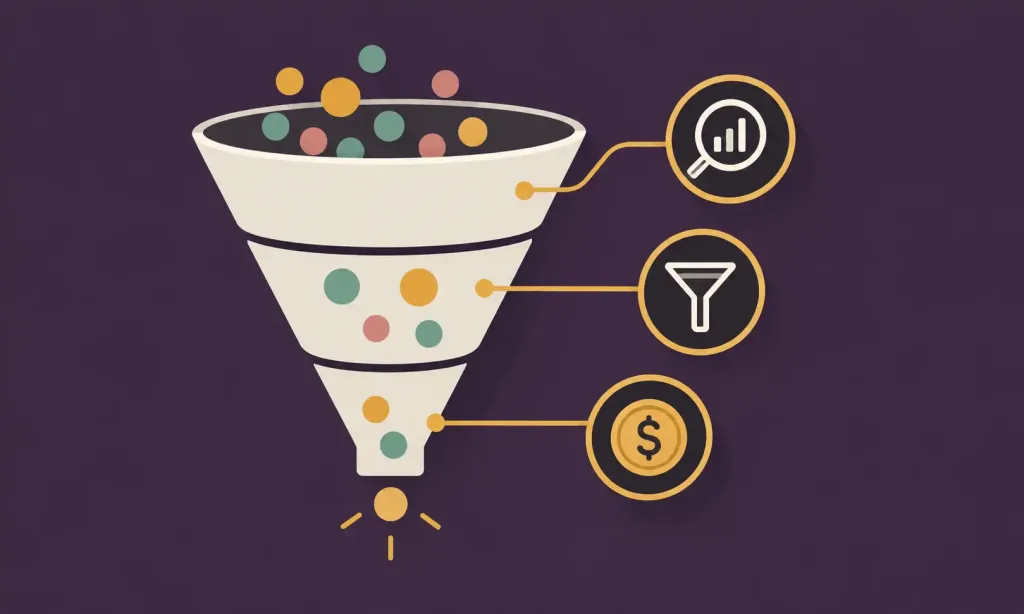
None of this matters much if you can’t tell whether it’s producing results. A few practical ways to track that:
Google Analytics can show you exactly how much traffic — and what kind of traffic — is arriving from each social platform, which tells you where to invest more time and where to pull back.
Native platform tools (Meta Ads Manager, X Analytics, LinkedIn Campaign Manager, TikTok Ads Manager) each offer conversion tracking, audience insights, and engagement data specific to that platform, usually more detailed than anything a third-party tool provides.
Set actual goals before you start measuring, not after. A follower count going up means very little on its own. Traffic, leads, and sales tied back to specific campaigns tell you whether the effort is paying off.
Social listening — tracking mentions of your brand even when you’re not tagged directly — gives you a read on sentiment that raw engagement numbers can’t capture on their own.
The underlying goal of all of this is simple, even if the execution isn’t: get people talking about your business, in a way that reflects well on it. Content that genuinely educates, entertains, or inspires does that far more reliably than content that just sells.
Frequently Asked Questions
How can social media benefit my business?
It increases brand visibility, keeps you connected with customers, drives traffic to your website, and — through targeted advertising — can directly boost sales.
Which social media platforms are best for business growth?
It depends entirely on your audience. Facebook and Instagram cover broad consumer reach, LinkedIn is strongest for B2B, Pinterest suits visually driven purchase categories, and TikTok is currently one of the best discovery engines for reaching people who don’t already know your brand.
What are some effective social media strategies for businesses?
Platform-specific content, targeted ads, fast and genuine engagement with followers, occasional influencer partnerships, and regularly reviewing performance data to adjust course.
How often should I post on social media for my business?
Consistency matters more than raw frequency. A few solid posts a week, sustained over time, usually outperforms a burst of daily posting that fizzles out after a month.
Can social media help with customer service?
Yes, and increasingly it’s where customers expect support to happen. Fast, public responses to questions and concerns can build more trust than a private support ticket ever will.
Does TikTok still only support short videos?
No. That limitation is outdated — TikTok now supports videos running several minutes long, well beyond the short-loop format it originally launched with.
The Bottom Line
Social media isn’t optional for most businesses anymore, but it also isn’t a shortcut. The businesses that get real value from it treat each platform differently, post content built for how people actually use that platform, respond to their audience like they mean it, and measure results honestly enough to adjust when something isn’t working. Do that consistently, and social media stops being a chore and starts being one of the better return-on-effort channels a business has available.