Counter-Strike has one of the most active cosmetic economies in gaming — skins, cases, and Prime status all factor into how players experience the game. But a lot of misinformation circulates about what these items actually do, especially the persistent myth that skins somehow improve your gameplay. This guide covers what’s real: how Prime status works, what skins actually affect, how float values determine quality, and how to trade and buy safely.
Note on terminology: CS:GO was officially replaced by Counter-Strike 2 (CS2) in September 2023. Skins, Prime status, and trading mechanics carried over into CS2 in largely similar form, and this guide reflects the current CS2 system.
Let’s Be Clear First: Skins Are Purely Cosmetic
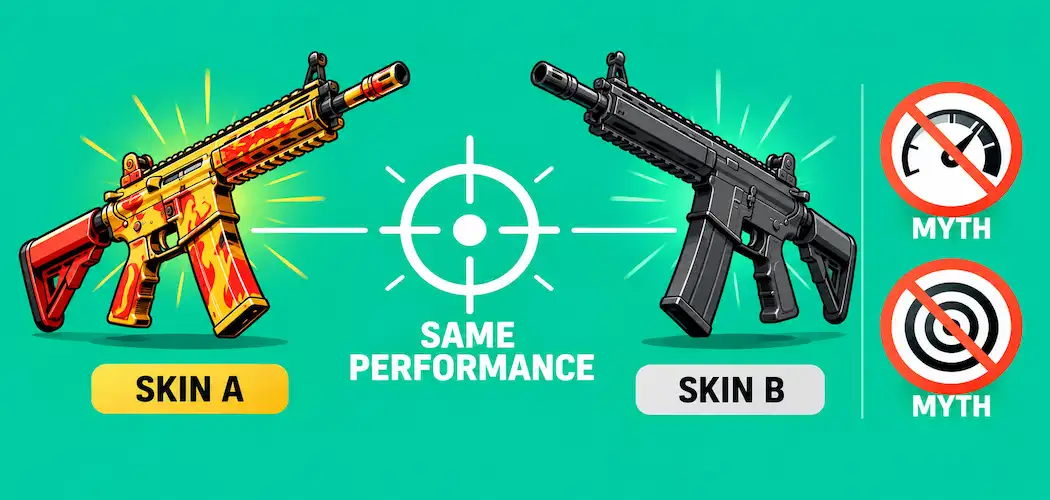
This needs to be stated plainly, because it’s commonly misunderstood and sometimes actively misrepresented: CS2 skins have zero effect on gameplay. They don’t improve accuracy. They don’t increase movement speed. They don’t change weapon damage, recoil, or any other mechanic. A skinned AK-47 performs identically to a default one in every measurable way.
This isn’t a minor detail — it’s deliberate design by Valve, and it’s part of why skin trading is legal in most jurisdictions in the first place. If skins provided real competitive advantages, the entire marketplace would function very differently (and likely attract far more regulatory scrutiny). What skins actually offer is personalization: a way to express style and stand out visually, nothing more.
What CS2 Prime Status Actually Gives You
Prime Status is a one-time $14.99 purchase on Steam (pricing is region-adjusted elsewhere). As of 2024, Valve removed the option to earn Prime for free at account level 21 — it’s now a paid purchase only. Here’s what it actually unlocks:
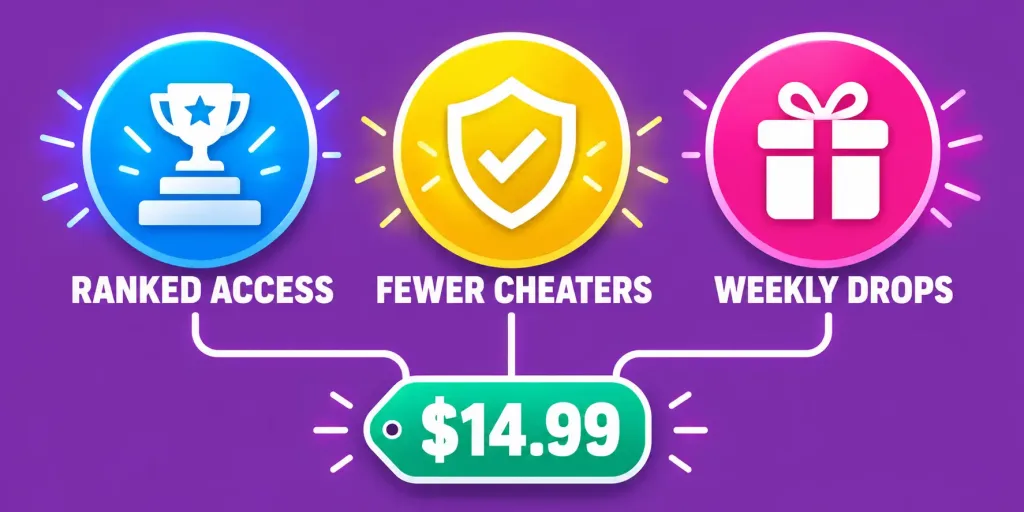
Ranked matchmaking access. Prime is required to play Competitive and Premier modes and earn a CS Rating. Without it, you’re limited to Casual, Deathmatch, and Arms Race.
A Prime-protected matchmaking pool. Prime players are matched primarily with other Prime players, which meaningfully — though not completely — reduces the number of cheaters and smurf accounts you’ll encounter. No matchmaking system eliminates cheating entirely, but the difference in match quality is significant enough that most regular players consider it close to essential.
Weekly item drops. Playing matches with Prime active earns a weekly drop — a case, a skin, a sticker capsule, or similar cosmetic item — from your first win or rank-up of the week.
What Prime does not do: it has no connection to any kind of social or matchmaking-for-dating feature (this doesn’t exist and never has), and it doesn’t restrict which skins you can use — your cosmetic inventory is tied to your Steam account, not your Prime status. You can equip and use any skin you own regardless of whether you have Prime.
Understanding Skin Quality: Float Values
Every CS2 skin has a float value between 0 and 1, representing its wear level — essentially, how “used” the skin’s design appears. Lower float values mean better visual condition.
Skins fall into five wear categories based on float value:
- Factory New: 0.00–0.07
- Minimal Wear: 0.07–0.15
- Field-Tested: 0.15–0.38
- Well-Worn: 0.38–0.45
- Battle-Scarred: 0.45–1.00
Lower float values (better condition) generally command higher prices, but this is purely cosmetic preference — a Battle-Scarred skin performs identically to a Factory New version of the same skin. If a design you want is outside your budget in pristine condition, a higher-float version of the same skin is a legitimate way to get the look for less.
Trading Skins Safely
Trading remains one of the more common ways players acquire skins outside of direct marketplace purchases. A few practical guidelines:
Verify the trade value independently before agreeing. Check a skin’s current market price on the Steam Community Market or a reputable third-party pricing site before committing to any trade — don’t rely solely on what the other party tells you it’s worth.
Be cautious of unsolicited “too good to be true” trade offers. Scammers commonly target traders with offers that seem to favor you unreasonably, often as a setup for a bait-and-switch or a phishing attempt disguised as a trade confirmation.
Use Steam’s official trade system, which includes built-in trade holds and confirmation steps designed specifically to reduce fraud. Avoid trading through unofficial, unverified third-party platforms that bypass these protections, since many of these sites operate with little accountability if something goes wrong.
Double-check trade URLs and account details before finalizing anything — a common scam tactic involves disguised links that redirect a trade to the wrong account entirely.
Buying Skins: Where to Shop Safely
The Steam Community Market remains the most straightforward and secure option for buying and selling skins directly, since it’s Valve’s own official marketplace with built-in buyer protections. Prices fluctuate based on real supply and demand, and checking price history before buying gives a realistic sense of whether you’re paying a fair rate.
Third-party skin marketplaces also exist and can offer competitive pricing, but they vary significantly in legitimacy and buyer protection — research any third-party platform’s reputation and reviews before trusting it with a transaction, and be aware that some third-party sites in this space operate as gambling or case-opening platforms rather than straightforward marketplaces, which is a meaningfully different (and riskier) kind of transaction than a direct skin purchase or trade. If you’re researching Counter-Strike 2 as part of a broader look at competitive tactical shooters, the same caution about embedded gambling links applies there too.
Frequently Asked Questions
Do CS2 skins improve gameplay in any way?
No. Skins are entirely cosmetic and have zero effect on accuracy, movement speed, damage, recoil, or any other gameplay mechanic.
Do I need Prime status to use my skins?
No. Your skin inventory is tied to your Steam account, not your Prime status. You can equip and use any skin you own whether or not you have Prime.
How much does CS2 Prime cost?
$14.99 as a one-time purchase on Steam (regional pricing applies elsewhere). It’s no longer available for free at account level 21, as of a 2024 policy change.
What’s the difference between Factory New and Battle-Scarred skins?
Purely visual condition, based on the skin’s float value. A Battle-Scarred skin performs identically to a Factory New version — the difference is cosmetic wear appearance only, reflected in price.
Is it safe to trade skins with strangers?
It can be, using Steam’s official trade system with its built-in protections. Verify trade values independently, be skeptical of unusually generous unsolicited offers, and avoid unofficial third-party trading platforms with limited accountability.
The Bottom Line
CS2’s skin economy is genuinely substantial and worth understanding — but it’s a cosmetic and collectible system, not a gameplay-advantage system. Prime status earns its value through matchmaking quality and ranked access, not through any connection to your cosmetic inventory. Whether you’re buying your first skin or managing a larger collection, sticking to official channels (Steam’s own market and trade system) and understanding float values will serve you far better than chasing claims about performance benefits that simply aren’t real.