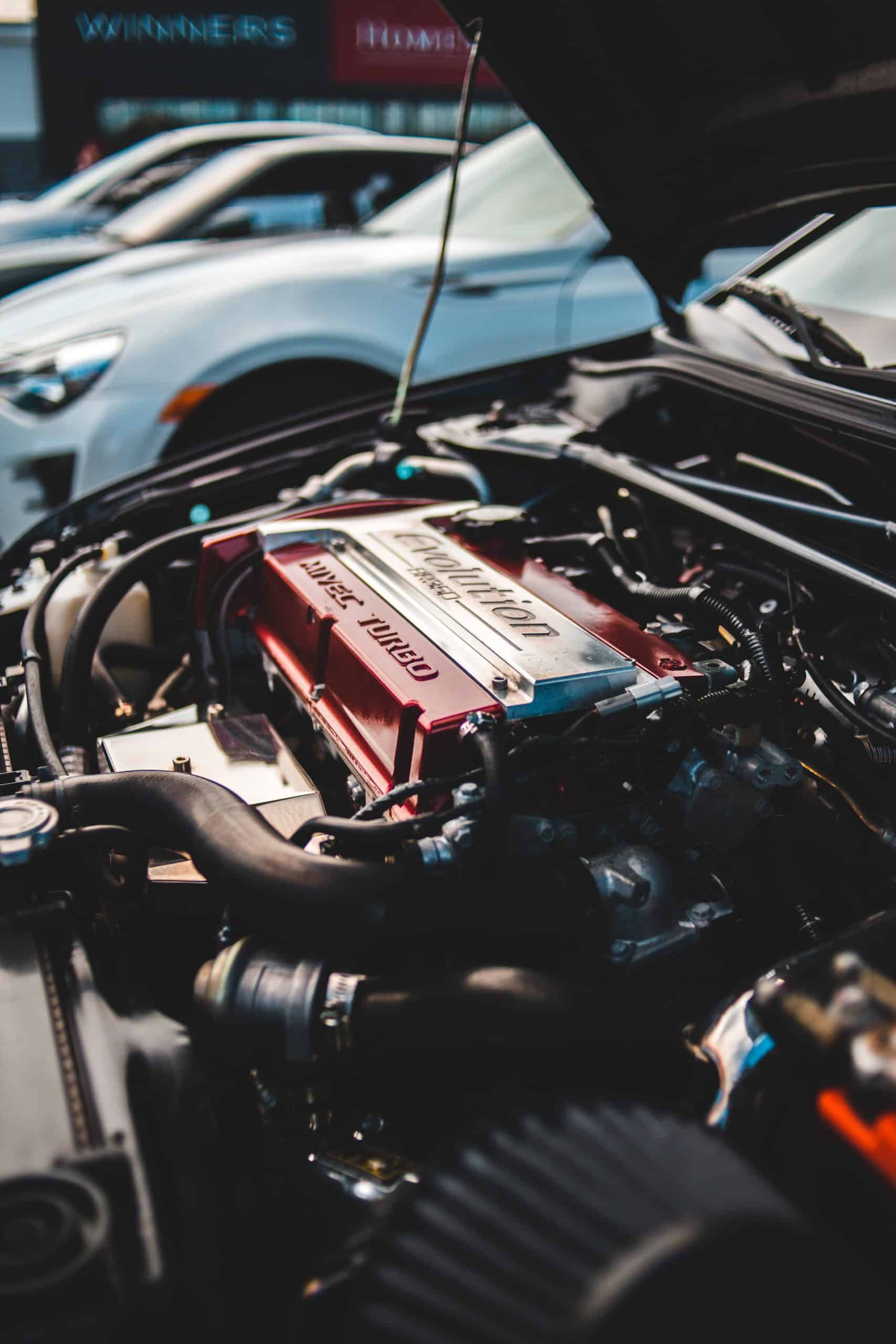
DC motors are an essential component of modern technology. They are used in various devices ranging from small toys to massive machines. They are responsible for the motion in devices like electric vehicles, appliances, robots, and much more. A DC motor is a type of electric motor that converts electrical energy into mechanical energy. The working of a DC motor is based on the principle of electromagnetic induction. In this blog post, we will discuss the different types of DC motors, their construction, working principle, and applications.
Types of DC Motors:
There are two types of DC motors: brushed DC motor and brushless DC motor. Brushed DC motors have a stationary part called the stator and a rotating part called the rotor. The rotor has a commutator that supplies power to the coils in the rotor. The commutator reverses the direction of the current in the rotor coils as the rotor turns, causing the motor to rotate.
On the other hand, brushless DC motors do not have a commutator, and the coils in the rotor are replaced by a permanent magnet. The stator has electronic circuits that control the current flow in the coils, which generates a magnetic field that interacts with the permanent magnet in the rotor, causing it to rotate.
Construction of DC Motor:
A DC motor consists of several components, including the stator, rotor, commutator, brushes, and bearings. The stator is the stationary part of the motor and contains the coils that generate the magnetic field. The rotor is the rotating part of the motor and contains the permanent magnets or electromagnets. The commutator is a segmented ring that connects the rotor coils to the power source.
The brushes are made of carbon or graphite and make contact with the commutator to supply power to the rotor coils. The bearings support the rotor and allow it to rotate freely.
Working Principle of DC Motor:
The working of a DC motor is based on the principle of electromagnetic induction. When a current-carrying conductor is placed in a magnetic field, it experiences a force. This force is called the Lorentz force and is given by the formula F = BIL, where F is the force, B is the magnetic field, I is the current, and L is the length of the conductor in the magnetic field.
In a DC motor, the stator contains the coils that generate the magnetic field, while the rotor contains the conductors that carry the current. When a DC voltage is applied to the motor terminals, the current flows through the brushes and the commutator to the rotor coils, which generates a magnetic field.
The magnetic field in the rotor interacts with the magnetic field in the stator, causing a torque to be generated, which rotates the rotor. As the rotor rotates, the commutator reverses the direction of the current in the rotor coils, which keeps the rotor rotating.
Applications of DC Motors:
DC motors have a wide range of applications in various fields, some of which are listed below:
1. Electric Vehicles: DC motors are used in electric vehicles to provide the necessary torque to drive the wheels. They are also used in the steering system and other auxiliary systems in the vehicle.
2. Appliances: DC motors are used in appliances like washing machines, vacuum cleaners, and refrigerators to drive the rotating parts.
3. Robotics: DC motors are used in robots to provide motion to the joints and limbs.
4. Industrial Machinery: DC motors are used in various types of industrial machinery like conveyor belts, pumps, and fans to provide motion.
Advantages of DC Motors:
1. DC motors are simple in construction and easy to maintain. They do not have any complex electronic components, making them easy to repair and replace.
2. They are highly reliable and have a long life. DC motors can operate for years without any major maintenance requirements, making them suitable for use in critical applications where downtime is not an option.
3. DC motors have a high starting torque, which makes them suitable for applications that require high starting torque. They can start and stop quickly, making them ideal for use in machines that require precise control.
4. DC motors are efficient in converting electrical energy into mechanical energy. They can achieve efficiency levels of up to 90%, making them an energy-efficient solution for many applications.
5. DC motors are versatile and can be used in a wide range of applications. They can be used in both low-power and high-power applications, making them a popular choice for both industrial and commercial applications.
In conclusion,
DC motors are a critical component of many modern devices and have a wide range of applications across various industries. Their simple construction, high reliability, and efficiency make them a popular choice for many applications. However, they do have some disadvantages, including the need for regular maintenance of the brushes and commutator, limited power output, and speed range. Despite these limitations, DC motors remain an essential technology that continues to evolve and improve. As technology advances, we can expect to see even more advanced DC motors that can meet the demands of new and emerging applications.
Also check : Uncovering the Secrets of Ms. Rachel’s Impressive Net Worth