
Did you know that “fast-growing organizations drive 40% more revenue from personalization than their more slowly moving counterparts?”
The way SaaS companies interact with their customers and prospects has changed in ways one could only imagine. SaaS platforms are quickly evolving with personalization emerging as a critical driver of high-quality customer experiences, engagement, conversions, and retention. To maximize these benefits, implementing an effective SaaS SEO strategy is crucial for improving search engine visibility and driving organic traffic. MADX Digital, an expert in SaaS SEO and digital marketing, helps businesses enhance their online presence by optimizing their platforms for better search rankings and user engagement.
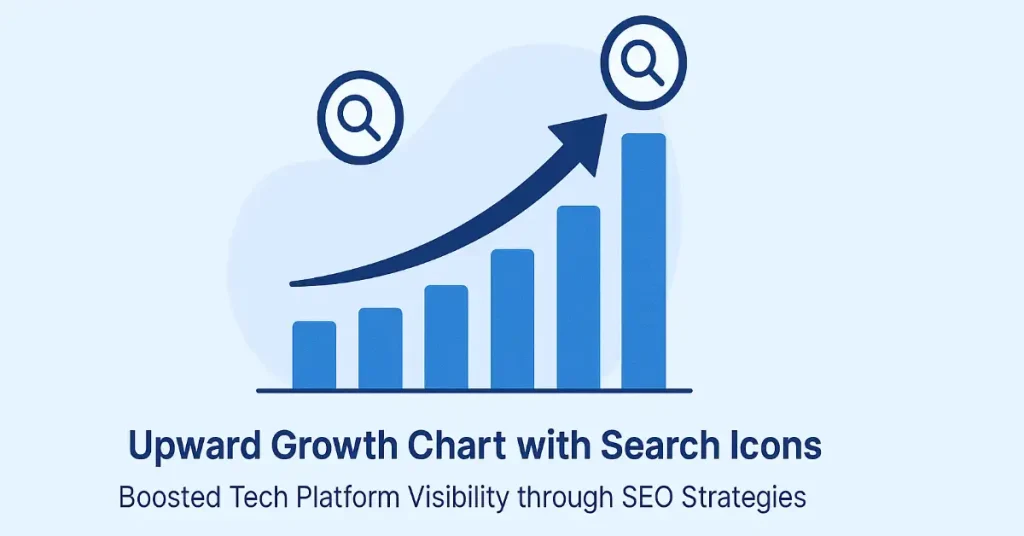
In this article, we’ll explore some of the most effective strategies for improving search rankings and boosting visibility for tech platforms.
1. Optimize Your Content for Targeted Keywords
Keyword research is the foundation of any solid SEO strategy. Identifying the right keywords those your target audience is searching for allows you to tailor your content to match their search intent. This applies to all types of tech platforms, whether you’re providing cloud services, IT solutions, or other digital tools.
Start by performing comprehensive keyword research using tools like Google Keyword Planner, SEMrush, or Ahrefs. Focus on both short-tail and long tail keywords that are relevant to your platform’s offerings. Long tail keywords, in particular, are highly valuable as they target users who are closer to making a decision or are seeking more specific information.
Once you’ve identified your target keywords, integrate them strategically into your content. Include them in titles, headings, meta descriptions, and throughout the body text. But avoiding keyword stuffing content should still be natural and engaging for readers. The goal is to create informative, valuable content that addresses the needs and questions of your audience.
2. Improve Site Speed and User Experience
Google and other search engines consider user experience (UX) as a significant ranking factor. If your site takes too long to load or offers a frustrating experience, visitors are likely to leave, which can increase your bounce rate and negatively impact your rankings.
Site speed is particularly important, as search engines prioritize fast-loading websites. A slow website not only harms your SEO efforts but also drives potential customers away. Tools like Google PageSpeed Insights or GTmetrix can help you analyze and improve the loading speed of your site.
In addition to improving site speed, optimizing for mobile devices is essential. A significant portion of web traffic comes from mobile, and Google now uses mobile-first indexing, meaning it predominantly looks at the mobile version of your site to determine rankings.
Ensuring that your tech platform is mobile-friendly and easy to navigate across all devices will not only enhance user experience but also improve your search engine rankings.
3. Focus on On-Page SEO Elements
On-page SEO refers to the practices you can implement directly on your website to improve its search engine ranking. This includes optimizing your page titles, meta descriptions, headers, and URLs. Each of these elements serves as a signal to search engines, helping them understand the relevance of your content to specific search queries.
- Page Titles and Meta Descriptions: These elements appear in search results and can influence click-through rates (CTR). Make sure your page titles are descriptive, compelling, and include your target keywords. Meta descriptions should summarize the content of your page in a concise and engaging way.
- Header Tags: Use header tags (H1, H2, H3) to structure your content. These help both search engines and users navigate your page easily. Include relevant keywords in your headers to reinforce the content’s theme.
- URLs: Keep your URLs short and descriptive, incorporating keywords where possible. A clean and organized URL structure makes it easier for search engines to crawl your site and understand its hierarchy.
4. Build High-Quality Backlinks
Backlinks links from other reputable websites to your platform play a significant role in SEO. Google views backlinks as a vote of confidence in the quality and authority of your content. The more high-quality backlinks you earn, the more likely your platform is to rank higher in search results.
Focus on building backlinks from industry-relevant websites, blogs, and digital publications. Guest posting, digital PR, and partnerships with influencers or thought leaders in your industry can help you earn valuable backlinks. Additionally, make sure your platform is listed in authoritative directories related to your tech niche.
The key is not to focus on quantity but quality. A few high-quality backlinks from reputable sources are far more valuable than numerous low-quality ones.
5. Create Valuable and Engaging Content
Content is the heart of any SEO strategy. Tech platforms that offer educational and informative content tend to attract more organic traffic, improve rankings, and build trust with their audience. Start by creating a content strategy that addresses the pain points of your target audience.
Consider developing case studies, how-to guides, product tutorials, or in-depth industry reports that provide value. Content that answers questions or solves problems is likely to get shared and linked to, further boosting your rankings.
Consistency is also key. Regularly publish fresh content to keep your website dynamic and engaging. This can be blog posts, videos, whitepapers, or even webinars. The more value you provide, the more likely visitors will return to your site, increasing dwell time and enhancing your SEO efforts.
6. Optimize for Local SEO (If Applicable)
If your tech platform serves a specific geographic region or has a physical location, optimizing for local SEO can help you rank higher in local search results. This involves adding location-specific keywords to your website content, creating a Google My Business profile, and encouraging customer reviews.
Local SEO is particularly important for SaaS platforms that serve regional businesses or markets. By focusing on local SEO tactics, you can increase your chances of being discovered by potential customers in your area.
Conclusion
Improving search rankings and boosting visibility for tech platforms requires a comprehensive SEO strategy that covers keyword optimization, technical improvements, content creation, and backlink building. By implementing these strategies, you can drive more organic traffic to your platform, attract qualified leads, and ultimately improve your business’s online performance.
For tech platforms looking to take their SEO efforts to the next level, working with a digital marketing agency can help ensure your platform is optimized for search engines, delivering measurable results. With the right combination of SEO best practices, your platform will not only rank higher but also provide a seamless and valuable experience for your users.
FAQs
Why is keyword optimization crucial for boosting tech platform visibility?
Keyword optimization helps search engines understand your content, matching it to user queries and improving rankings. Use tools like SEMrush for research, focusing on long-tail phrases to attract targeted traffic. Integrate naturally into titles, headings, and text to avoid penalties, ultimately driving more organic visits and conversions for your SaaS platform.
How does site speed impact search rankings for tech platforms?
Site speed is a core ranking factor; slow loading leads to high bounce rates and poor UX. Tools like Google PageSpeed Insights identify issues—optimize images, minify code, and use CDNs. Mobile-first indexing prioritizes fast, responsive sites, enhancing visibility and user satisfaction for better engagement and SEO performance.
What role do backlinks play in improving tech platform SEO?
High-quality backlinks from reputable sites signal trustworthiness to search engines, boosting authority and rankings. Focus on guest posting, partnerships, and PR rather than quantity. Avoid spammy links to prevent penalties; strong backlinks drive referral traffic and elevate your platform’s online credibility.
How can creating engaging content enhance visibility for SaaS platforms?
Engaging content like guides, case studies, and webinars addresses user needs, increasing dwell time and shares. Consistent publishing keeps your site fresh, signaling relevance to algorithms. This builds authority, attracts backlinks, and improves rankings, turning visitors into loyal users for sustained growth.
When should tech platforms consider local SEO strategies?
If serving specific regions, local SEO adds location keywords, claims Google My Business, and gathers reviews. It boosts visibility in geo-targeted searches, ideal for regional tech services. This drives local traffic, enhances trust, and complements broader SEO efforts for comprehensive online dominance.