Asad Ijaz
NetworkUstad's lead networking architect with CCIE certification. Specializes in CCNA exam preparation and enterprise network design. Authored 2,800+ technical guides on Cisco systems, BGP routing, and network security protocols since 2018. Picture this: I'm not just someone who writes about tech; I'm a certified expert in the field. I proudly hold the titles of Cisco Certified Network Professional (CCNP) and Cisco Certified Network Associate (CCNA). So, when I talk about networking, I'm not just whistling in the dark; I know my stuff! My website is like a treasure trove of knowledge. You'll find a plethora of articles and tutorials covering a wide range of topics related to networking and cybersecurity. It's not just a website; it's a learning hub for anyone who's eager to dive into the world of bits, bytes, and secure connections. And here's a fun fact: I'm not a lone wolf in this journey. I'm a proud member and Editor of Team NetworkUstad. Together, we're on a mission to empower people with the knowledge they need to navigate the digital landscape safely and effectively. So, if you're ready to embark on a tech-savvy adventure, stick around with me, Asad Ijaz Khattak. We're going to unravel the mysteries of technology, one article at a time!"

Limitations of IPv4: Challenges and Solutions in 2025
When the IPv4 address was invented, it was not expected that the Internet would become so popular that millions of devices would use these IP addresses. The IETF defined IPv4 addresses in RFC 791, published in 1981. The first design of IPv4 did not anticipate the Internet’s growth, which created many issues that proved that...
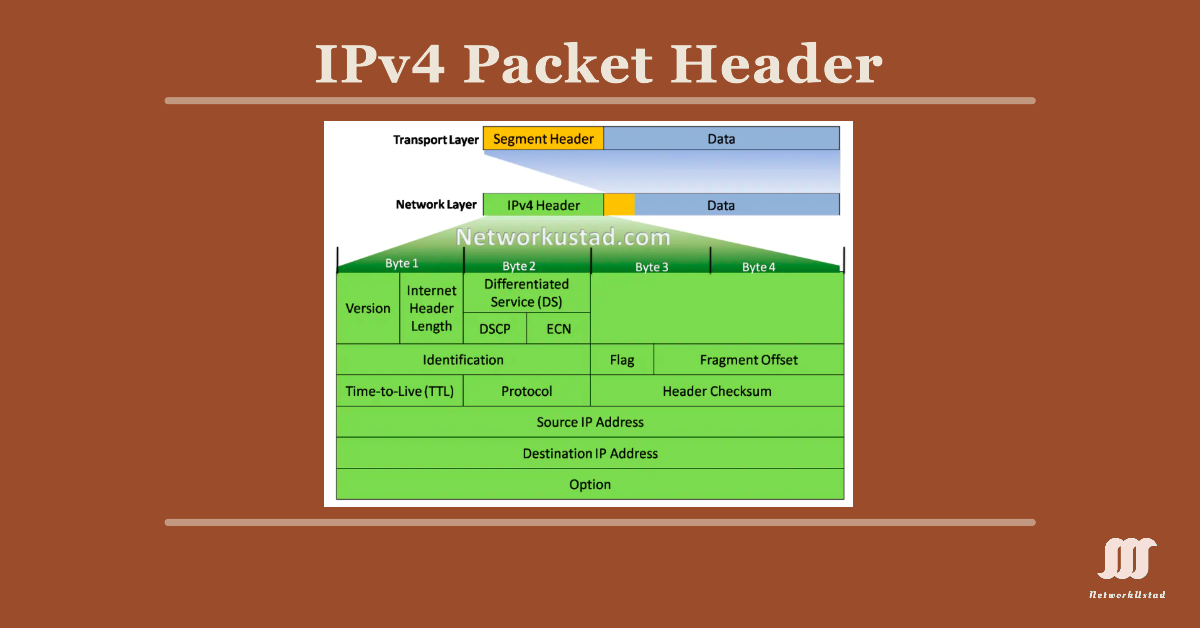
Mastering the IPv4 Packet Header: Insights for 2025 Networks
In 2025, the IPv4 packet header remains widely used despite IPv6 adoption, supporting legacy systems and critical applications like industrial IoT, where its compact structure is advantageous in constrained environments. The network layer converts transport layer segments into packets, with the IPv4 packet encapsulating the data unit and adding header information. In 2025, this process...

Mastering IP’s Connectionless Protocol: Insights for 2025 Networks
Connectionless No connection is established with the destination before sending data packets, defining a communication model where packets are sent without ensuring the recipient’s availability. This mirrors sending a letter without prior notice. In 2025, this efficiency supports real-time data in IoT, though retransmissions may increase with network congestion. Connectionless data communications work on the...

Mastering the Network Layer: Functions and Evolution in 2025
The primary function of the network layer is to deliver packets from source to destination across multiple networks. It also specifies the packet structure and processing used to carry the data from one host to another. The layer routes the packet through different channels to the other end and acts as a network controller. Analogy...
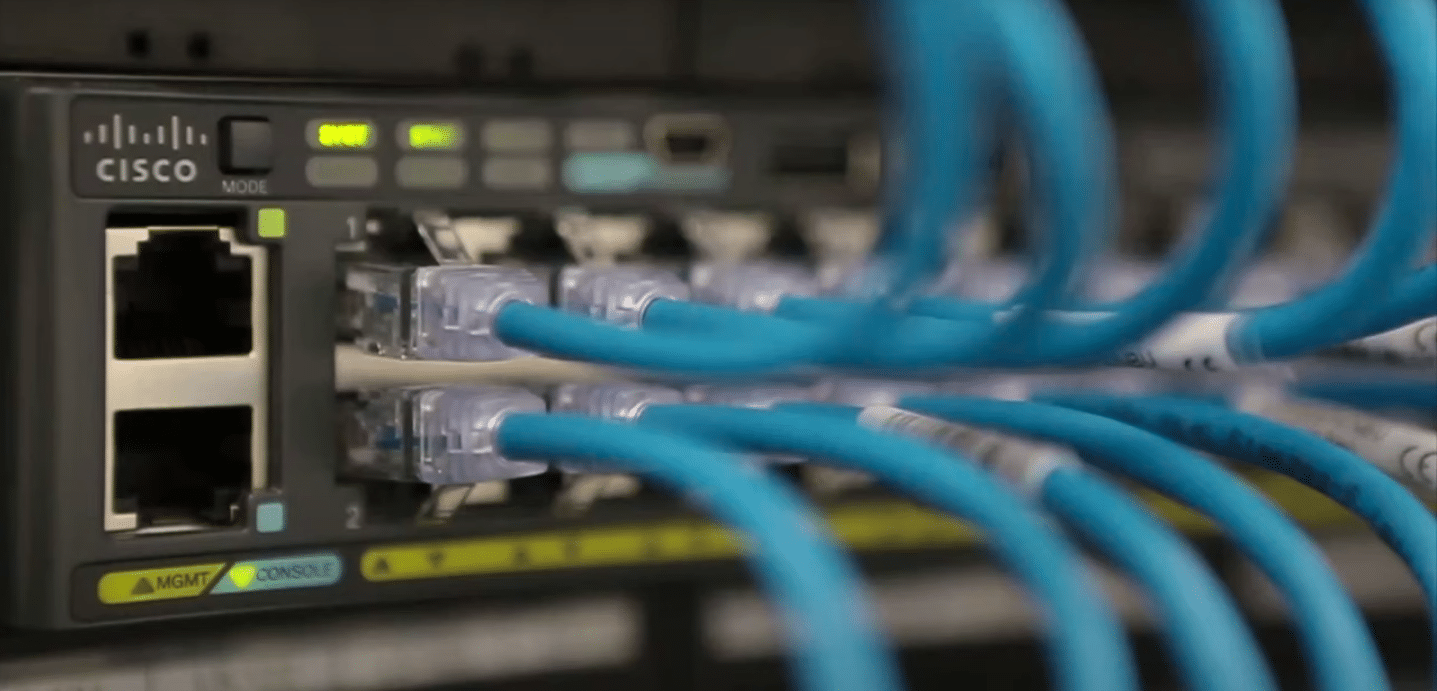
Auto-MDIX Cisco: Unlock Instant Network Setup and Slash Downtime in 2025
The workstation computer or laptop port in networking is called MDI (Media Dependent Interface). In contrast, the ports on network switches are labeled MDIX (Media Dependent Interface with Crossover). This distinction is crucial in ensuring seamless communication. RJ45 jacks, the connectors attached to copper twisted pair cables, are intricately crimped to facilitate communication. The transmit...
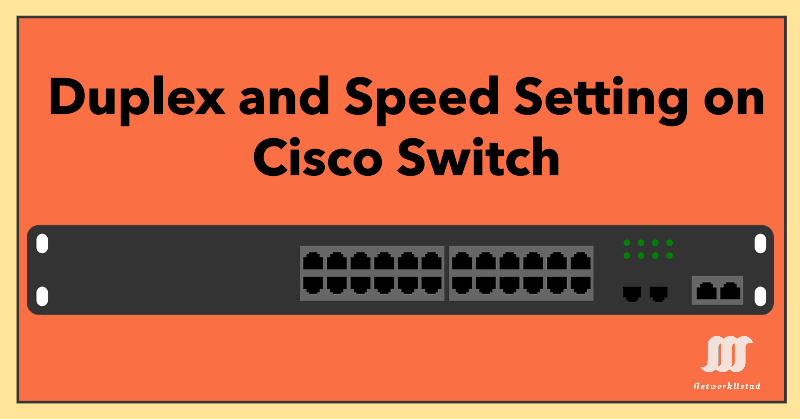
Mastering Duplex and Speed Settings for Ethernet Switches in 2025
Duplex and Speed settings are the most basic settings for each switch port. By default, Cisco switches will auto-negotiate the speed and duplex settings. However, the switch port and connected devices, such as a computer or another switch, can mismatch the duplex and speed settings. Two types of duplex settings are used for communications on an...
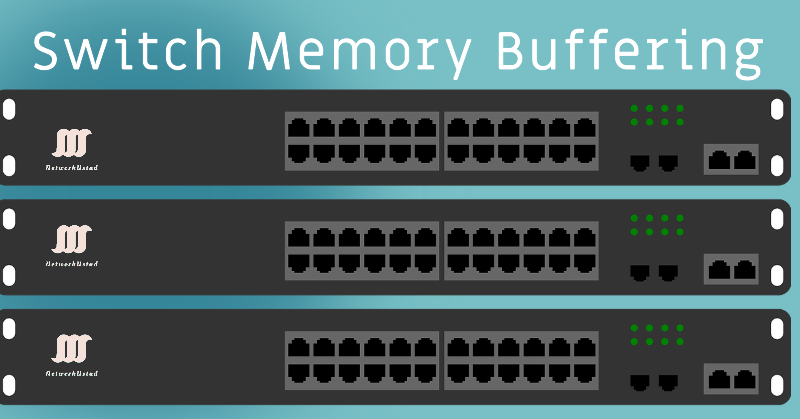
Master Memory Buffering on Cisco Switch: Techniques for 2026 Networks
Ethernet switches employ memory buffering to manage data traffic efficiently, ensuring frames (data units) are temporarily stored when destination ports face congestion. Effective buffering is crucial to prevent frame loss, which can degrade network performance, increase latency, and trigger retransmissions, ultimately impacting user experience and reliability. This article explores buffering methods, their evolution, and their...
Switching Fundamentals – Everything to Know
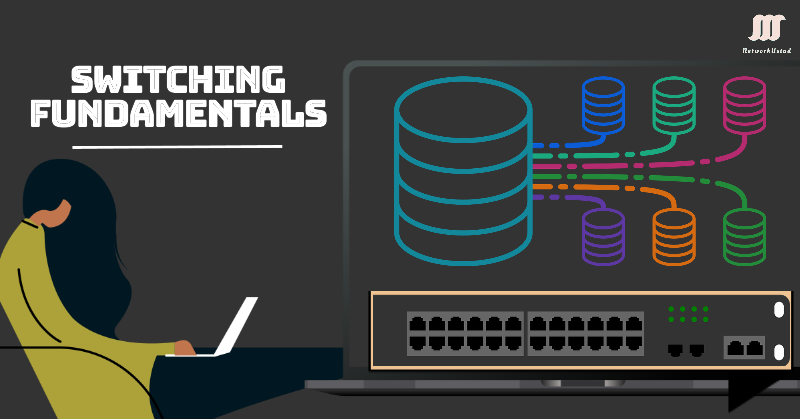
An Ethernet switch is a Layer 2 device. Therefore, the switch uses MAC addresses for switching decisions. It is unaware of the protocol being carried in the data portion of the frame, such as an IPv4 packet. The Ethernet hub repeats bits out of all ports except the incoming port, but an Ethernet switch consults...
Address Resolution Protocol (ARP)
The source host uses Address Resolution Protocol (ARP) to determine the destination MAC address. Although the destination MAC address can be a unicast, broadcast, or multicast, the source MAC address must always be unicast. Every device with an IP address on a network also has an Ethernet MAC address. When a device sends an Ethernet...
Mastering Unicast, Multicast, and Broadcast Addresses in 2025
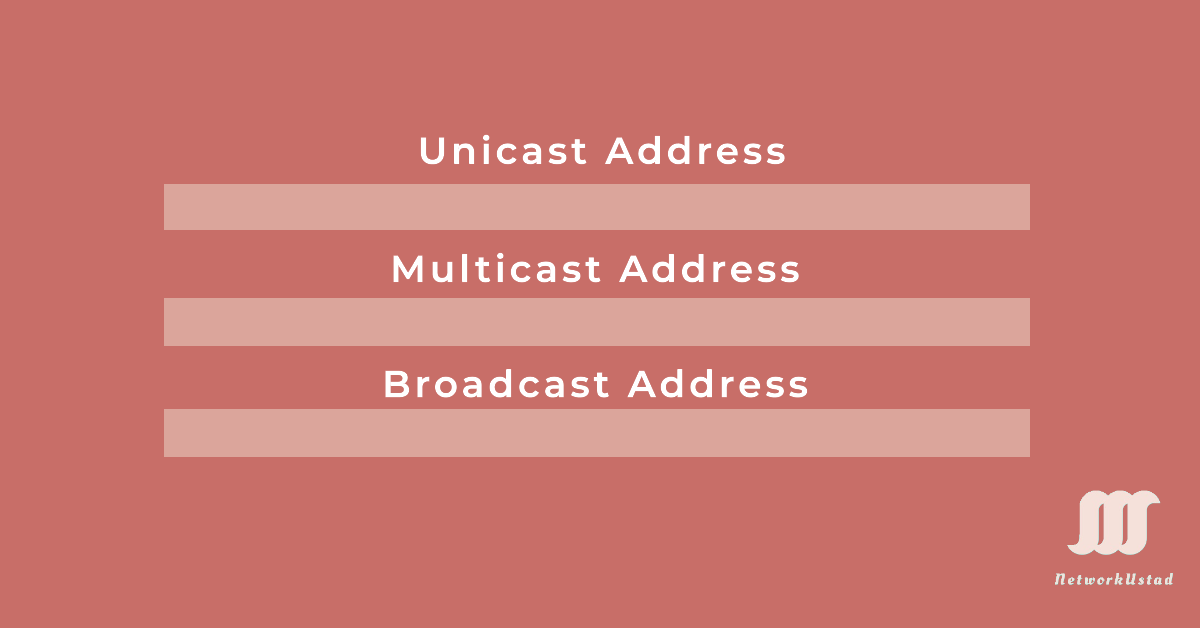
In Ethernet, Multicast, and Broadcast Addresses always describe a group of recipients. However, the unicast explains communication where data is sent from one point to another. Unicast Address A unicast address means a packet has been sent from a single source to a specific destination. All Ethernet and IP networks support unicast transmission. A unicast...