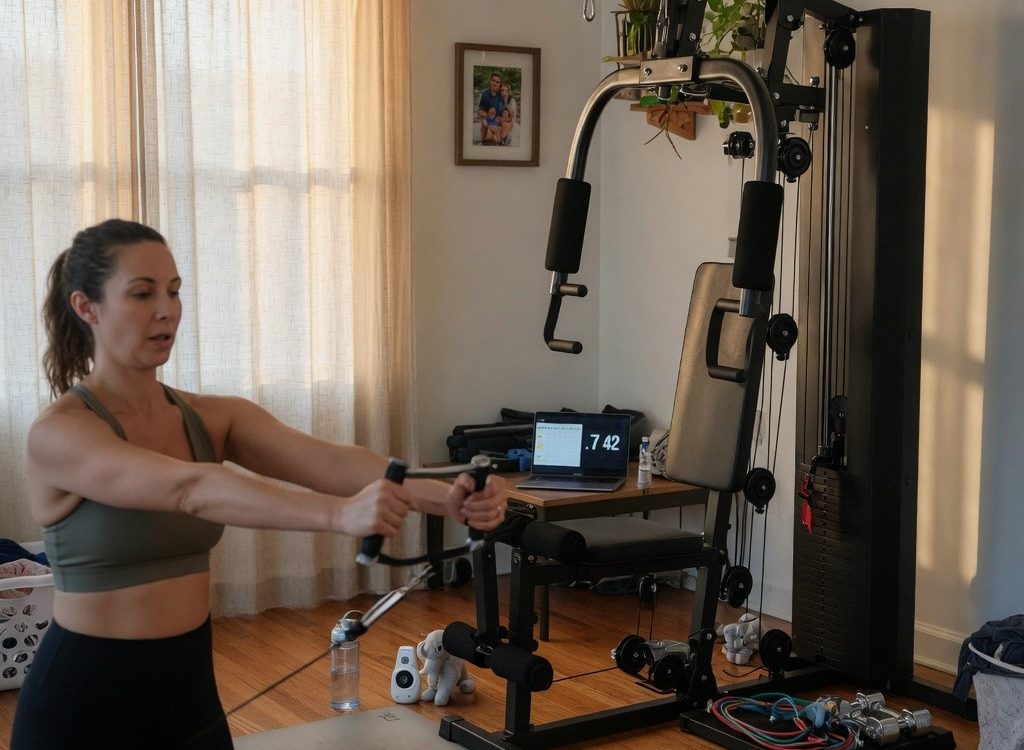
Between demanding careers, family responsibilities, and the endless commute, finding time to hit the gym feels nearly impossible for most professionals. Yet the desire to stay fit and healthy hasn’t diminished—it’s only grown stronger. This tension has fueled a surge in demand for home fitness solutions that deliver real results without consuming precious hours. Enter the best all-in-one home gym: a single piece of equipment designed to replace an entire gym floor, offering dozens of exercises in a compact footprint that fits seamlessly into your living space. These modern machines go far beyond basic weight stacks, incorporating smart technology that provides real-time exercise feedback, tracks your progress, and adapts to your fitness level. Whether you have fifteen minutes between meetings or a full hour on weekends, an all-in-one gym transforms dead time into productive training sessions. In the sections ahead, we’ll explore how this equipment has evolved, what features matter most, and how to choose the right system to match your goals and lifestyle.
The Evolution of Home Fitness: Why All-in-One Gyms are Game-Changers
A decade ago, home fitness meant a dusty treadmill in the corner or a set of dumbbells gathering cobwebs under the bed. The options were limited, the experience was isolating, and results often plateaued quickly without professional guidance. Traditional gym memberships remained the gold standard because they offered variety, structure, and accountability—three things a lone resistance band simply couldn’t provide.
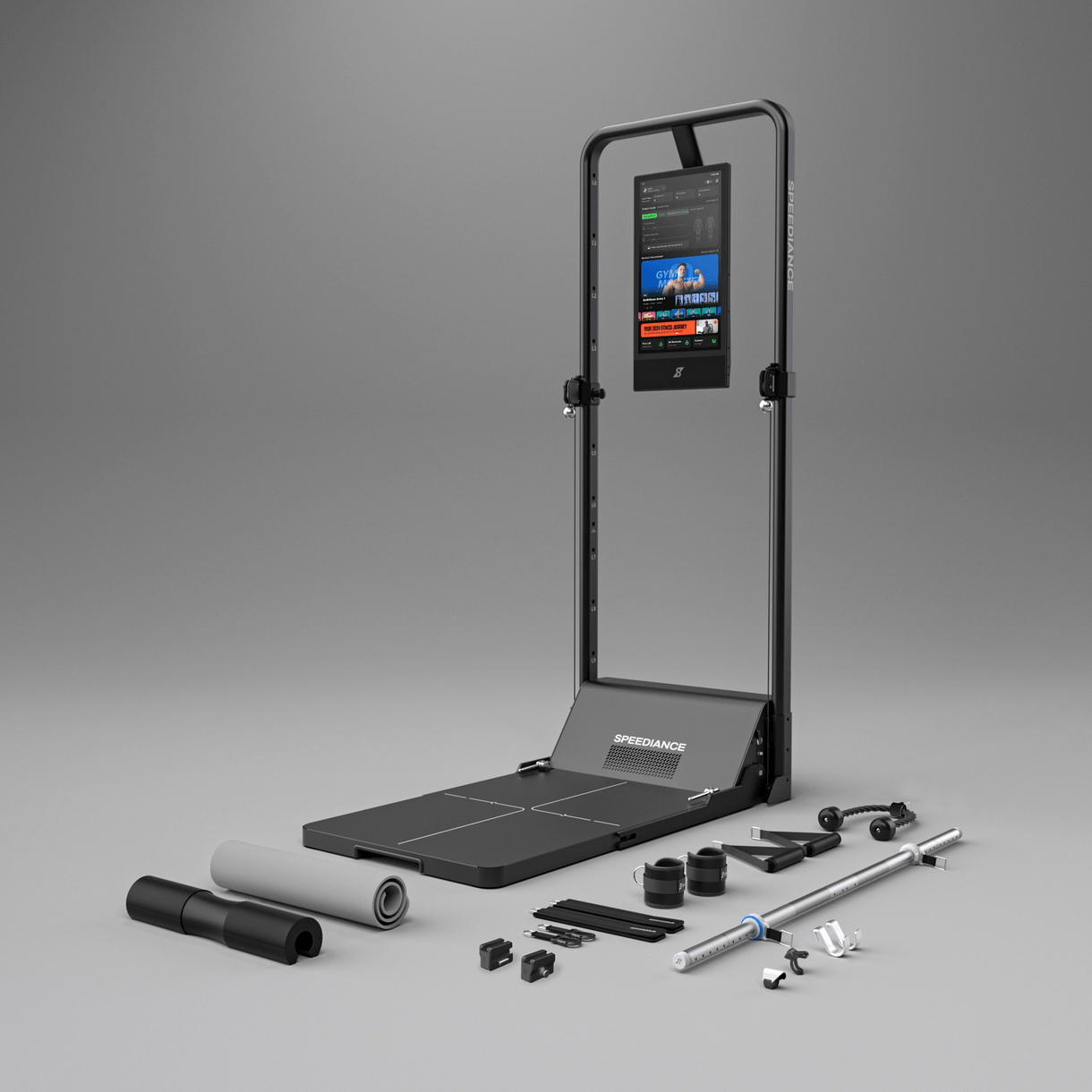
The landscape shifted dramatically as technology merged with fitness engineering. Today’s all-in-one gyms represent a fundamentally different approach to home fitness solutions. Rather than replicating a single exercise station, these integrated systems combine cable resistance, strength training, and digital coaching into one unified platform. The result is equipment that can facilitate over a hundred distinct movements—from chest presses and squats to cable flies and deadlifts—all without swapping machines or leaving your spare room.
What truly separates modern all-in-one gyms from their predecessors is the intelligence built into every rep. Sensors measure force output, track range of motion, and detect form breakdowns in real time. Connected apps transform raw data into meaningful insights, showing you exactly where you’re improving and where you need to push harder. This technology-driven feedback loop replicates the experience of having a personal trainer present, making home workouts more effective and engaging than ever before. For anyone juggling a packed schedule, this evolution means that the barriers between a commercial gym experience and your living room have essentially disappeared.
Addressing the Needs of Busy Professionals
When your calendar is stacked with meetings from seven in the morning until six at night, a forty-five-minute commute to the gym simply isn’t realistic. All-in-one gyms eliminate that friction entirely. You can transition from a video call to a focused twenty-minute strength session in under sixty seconds—no driving, no waiting for equipment, no locker room delays. The versatility of these machines means you don’t need separate days for separate muscle groups if time is scarce; a single full-body circuit using one piece of equipment can deliver meaningful stimulus in a fraction of the time. Quick, versatile workouts become the norm rather than the exception, allowing busy professionals to maintain consistency even during their most demanding weeks.
Key Features of the Best All-in-One Home Gym
Not all home gym systems are created equal, and understanding what separates exceptional equipment from mediocre alternatives will save you both money and frustration. The best all-in-one home gym combines several critical characteristics that work together to deliver a comprehensive training experience. Versatility tops the list—your machine should support pulling, pushing, squatting, and rotational movements through a single cable or resistance system that adjusts quickly between exercises. Durability matters equally, since equipment that wobbles or degrades under heavy loads becomes a safety hazard rather than a fitness tool. Look for steel frames, commercial-grade cables, and components rated for sustained daily use.
Smart technology integration has become the defining feature that elevates modern machines above traditional home gyms. Speediance exemplifies this advancement by embedding intelligent resistance systems that automatically adjust load based on your performance, eliminating the need to manually swap weight plates mid-workout. Its built-in screen and connected platform guide you through movements while capturing data on every repetition. This combination of mechanical versatility and digital intelligence creates equipment that genuinely adapts to your evolving fitness level rather than forcing you to outgrow it within months.
Space-Saving Design for Modern Homes
Urban apartments and modest home offices rarely have square footage to spare, which makes space-saving gym equipment a non-negotiable requirement. The most effective all-in-one systems achieve their versatility through vertical designs and foldable components that occupy roughly the footprint of a small bookshelf when not in use. Cable-based resistance eliminates the need for bulky plate trees or dumbbell racks scattered across the room. Some models mount flush against a wall and fold flat after sessions, reclaiming floor space for daily living. This multifunctional approach means a single corner of your bedroom or garage can function as a complete training studio without permanent clutter or visual disruption to your home environment.
Real-Time Exercise Feedback for Optimal Results
Built-in sensors embedded in the resistance mechanism capture force curves, velocity, and range of motion for every repetition you perform. This data streams instantly to a connected app or onboard display, showing whether you’re generating enough power, moving through a full range, or compensating with improper form. Rather than guessing whether a set was productive, you receive concrete metrics that confirm progress or highlight weaknesses. Over weeks and months, this exercise feedback accumulates into trend charts that reveal strength gains, identify lagging muscle groups, and suggest when to increase load. For professionals who value efficiency, this immediate performance data eliminates wasted effort and ensures every minute spent training produces measurable results toward your goals.
How to Choose the Right All-in-One Gym for Your Needs
Selecting the right all-in-one gym requires more than browsing reviews and picking the highest-rated option. Your ideal machine depends on a personal equation that balances your training objectives, available space, and how you realistically plan to use the equipment week after week. Start by mapping out your primary fitness goals—whether that’s building muscle, improving cardiovascular health, rehabilitating an injury, or maintaining general fitness. Each goal demands different resistance ranges, movement patterns, and programming capabilities. Next, measure your available space precisely, accounting for the equipment’s footprint during use, not just when stored. A machine might fold compactly against a wall, but require six feet of clearance when the cables are fully extended. Finally, evaluate the technology ecosystem each system offers. A robust feedback system with progress tracking and guided workouts adds tremendous long-term value, especially for those training without a coach. Budget matters, but consider cost per use rather than sticker price alone—equipment you use five days a week for years delivers far greater return than a cheaper unit that collects dust after the initial excitement fades.
Assessing Your Fitness Goals and Time Constraints
Begin by honestly evaluating how many minutes you can dedicate to training on your busiest days versus your most flexible ones. If your realistic window is twenty minutes on weekdays, prioritize machines that enable rapid transitions between exercises without manual resistance changes. Write down three to five specific outcomes you want—perhaps stronger shoulders, better posture from desk work, or increased pulling strength. Then verify that any machine you’re considering supports the movement categories those goals require. Someone focused on athletic performance needs explosive cable movements and variable resistance profiles, while someone prioritizing muscle building needs consistent heavy loads across compound lifts. Matching equipment capabilities to your specific time reality and training priorities prevents buyer’s remorse and ensures the system remains relevant as your fitness evolves.
Comparing Top Models: Speediance and Beyond
The Speediance machine stands out for its intelligent resistance engine that adapts load mid-repetition, built-in coaching display, and compact wall-mounted design that suits apartments and home offices alike. Its software ecosystem tracks every session and adjusts programming based on accumulated performance data, making it particularly suited for professionals who want structured guidance without hiring a trainer. Other home fitness solutions on the market offer cable-based versatility with manual resistance selection, which appeals to experienced lifters who prefer full control over their loading schemes. Some alternatives emphasize community features and live classes, creating social accountability for those who miss the gym atmosphere. When comparing models, weigh the quality of exercise feedback, the breadth of supported movements, the durability of construction, and whether the platform’s content library aligns with your preferred training style. The best choice isn’t necessarily the most feature-rich—it’s the one you’ll consistently use.
Maximizing Efficiency with Your Home Gym Setup
Owning the right equipment is only half the equation—how you use it determines whether you achieve meaningful results or simply go through the motions. Maximizing efficiency starts with creating a structured weekly plan that accounts for your energy levels, available time slots, and recovery needs. Block out specific training windows in your calendar just as you would a business meeting, treating them as non-negotiable appointments. Assign each session a clear focus—upper body pull, lower body strength, or full-body conditioning—so you never waste time deciding what to do once you’re standing in front of your machine. Consistency compounds over weeks, and a predictable rhythm eliminates the decision fatigue that derails most home training efforts.
Beyond scheduling, the environment you create around your equipment influences adherence. Keep the space clear of distractions, set up a small speaker for music or podcasts, and ensure the area is well-lit and ventilated. These small details reduce friction between intention and action. When your training corner feels purposeful rather than like an afterthought, you’ll find yourself gravitating toward it rather than avoiding it. Pair this physical setup with the digital tools your machine provides—pre-programmed workouts, progressive overload tracking, and performance summaries—to build a self-reinforcing system where each session builds naturally on the last without requiring constant manual planning.
Implementing Quick and Effective Workout Routines
For mornings when time is tight, a focused fifteen-to-twenty-minute circuit using compound movements delivers substantial training stimulus. Structure sessions around supersets—pairing a pushing movement like chest press with a pulling movement like seated rows—resting only while transitioning between exercises. This approach keeps your heart rate elevated while training multiple muscle groups simultaneously. On weekdays, rotate between an upper-body emphasis day and a lower-body emphasis day, each built around four to five exercises performed for three working sets. On weekends when you have more flexibility, extend sessions to thirty or forty minutes and incorporate isolation work or mobility drills. The key is matching session length to your realistic daily window rather than forcing an ambitious program that collapses after the first busy week.
Leveraging Technology for Continuous Improvement
Your machine’s feedback system becomes most powerful when you actively engage with the data rather than passively collecting it. After each session, spend two minutes reviewing your performance summary—note whether your force output increased on key lifts, whether your range of motion remained consistent across sets, and whether fatigue caused form degradation in later repetitions. Use weekly trend reports to identify when a particular exercise has plateaued, signaling it’s time to increase resistance or modify tempo. Set specific numerical targets for the coming week based on last week’s data, such as adding five pounds to your squat cable pull or completing one additional rep on rows. This deliberate, data-informed approach transforms exercise feedback from a passive feature into an active coaching tool that drives progressive improvement without requiring external accountability.
Transform Your Fitness Routine with Smart Home Training
The best all-in-one home gym represents more than a piece of equipment—it’s a complete training ecosystem designed for people who refuse to sacrifice fitness despite demanding schedules. These machines consolidate dozens of exercises into a single compact footprint, eliminating the commute, the wait times, and the fragmented equipment setups that make traditional gym visits so time-consuming. Real-time exercise feedback ensures that every repetition counts by providing the guidance and accountability that once required a personal trainer standing beside you. Space-saving designs mean your training station coexists with your living space rather than dominating it, while intelligent resistance systems grow alongside your strength so the equipment never becomes obsolete. For busy professionals seeking quick and effective workouts that deliver measurable, progressive results, investing in an all-in-one home gym removes the last remaining barrier between intention and action. The technology exists, the designs have matured, and the path to consistent home fitness has never been more accessible. Your next workout is only steps away—make it count.