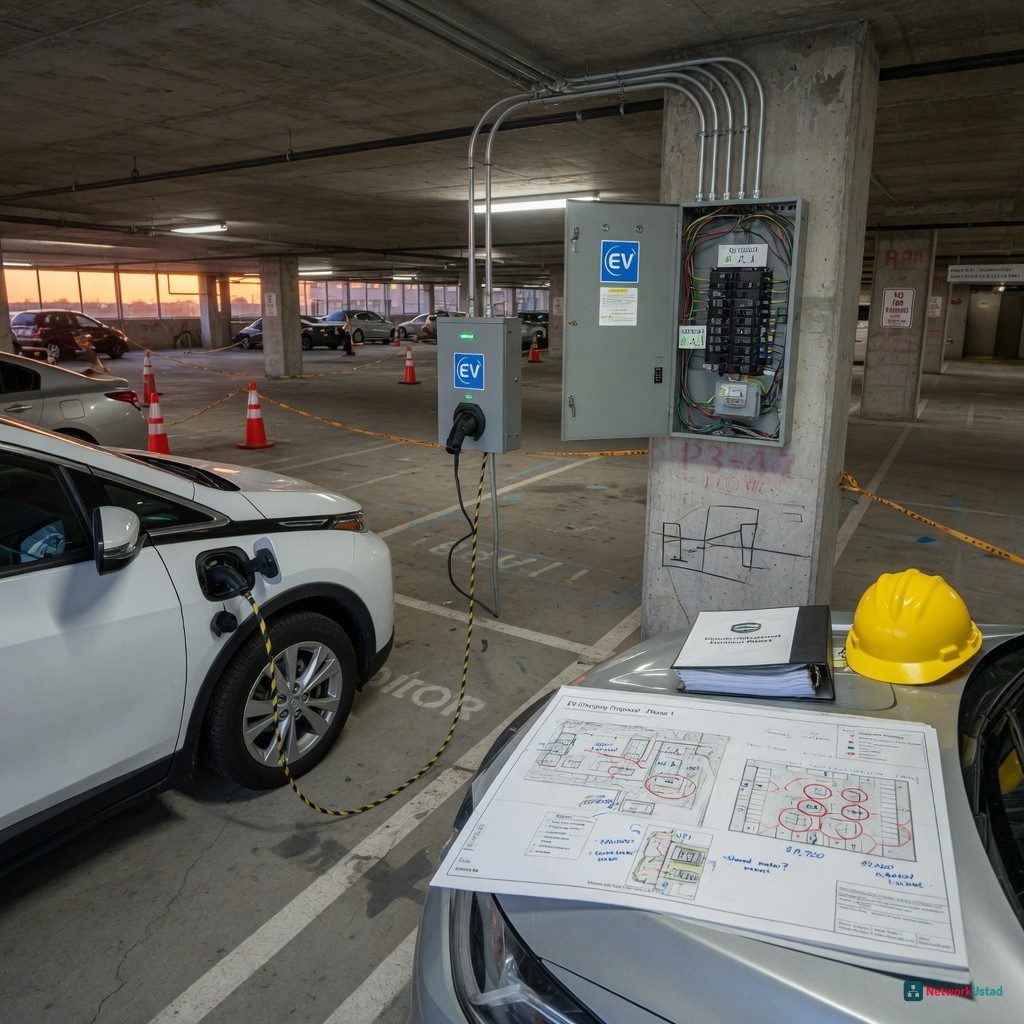
Condo EV projects need a plan that fits shared spaces, building power, and resident use. Costs can change based on distance from power, charger type, permits, and access rules. A clear setup plan may help reduce disputes and budget surprises. Let’s explore the main costs and setup points for condo communities.
Start With Building Power
The first cost factor is the building’s electrical system. Condominium EV charging depends on panel space, available capacity, and distance to parking areas. A load review helps show if the site can support chargers now. It also helps decide if upgrades may be needed.
Older buildings may have limited spare capacity. Newer communities may still need a closer review before chargers are added. Power share systems can help several units use available power. This may help improve access without a large service upgrade.
Review Parking and Access Rules
Condo parking can be assigned, shared, covered, or garage-based. Each setup changes the charger plan and cost. Assigned stalls may need individual access and billing. Shared stations may need time limits or clear use rules.
Boards should review access before hardware is selected. Charger location can affect trench work, conduit routes, and civil repair. A stall close to power may cost less to serve. A stall far from power may need more site work.
Set Up Details Worth a Check
A simple review can keep plans clear for all parties. Key details include:
Panel capacity and circuit space
Assigned or shared parking format
Distance from power to stalls
Billing method and user access
These points help shape a setup that suits the property.
Plan the Budget With Site Work
Charger cost is only one part of the total budget. Conduit, trench work, concrete repair, signs, and permits can affect the final number. Network fees may also apply for access control or payment. A full scope gives the board a clearer view.
Site work can vary from simple wall mount setups to deeper civil work. Outdoor lots may need bollards, striping, or weather-rated equipment. Good cost planning helps reduce late changes.
Choose Billing That Feels Fair
Condo communities need a fair way to handle power use. Networked chargers can track sessions, users, and energy cost. This helps boards avoid shared cost confusion. It may also make monthly records easier to manage.
Private chargers may work for deeded or assigned stalls. Shared chargers can serve more residents with fewer units. Condominium EV charging works better when payment rules are clear from the start. Simple rules help reduce resident frustration.
Set Clear Owner and Board Approval Steps
Condo EV projects usually need approval from the board, property manager, and sometimes individual owners. A written approval path helps clarify who reviews the request, who pays for the work, and who manages charger access. This can help reduce delays before electrical or civil work starts. It also keeps residents aware of the process.
Approval documents may include charger rules, insurance needs, contractor access, and maintenance roles. Boards can also note how future charger requests will be handled. Clear records make the setup easier to manage after the first phase. This may help the community avoid confusion as EV demand grows.
Condo EV charging costs depend on power capacity, parking layout, site work, billing, and future growth. A useful plan starts with an electrical review and a clear look at resident access. The board can then choose charger locations, payment rules, and phases with better context. Strong setup choices help the community add EV access in a cleaner and more manageable way.