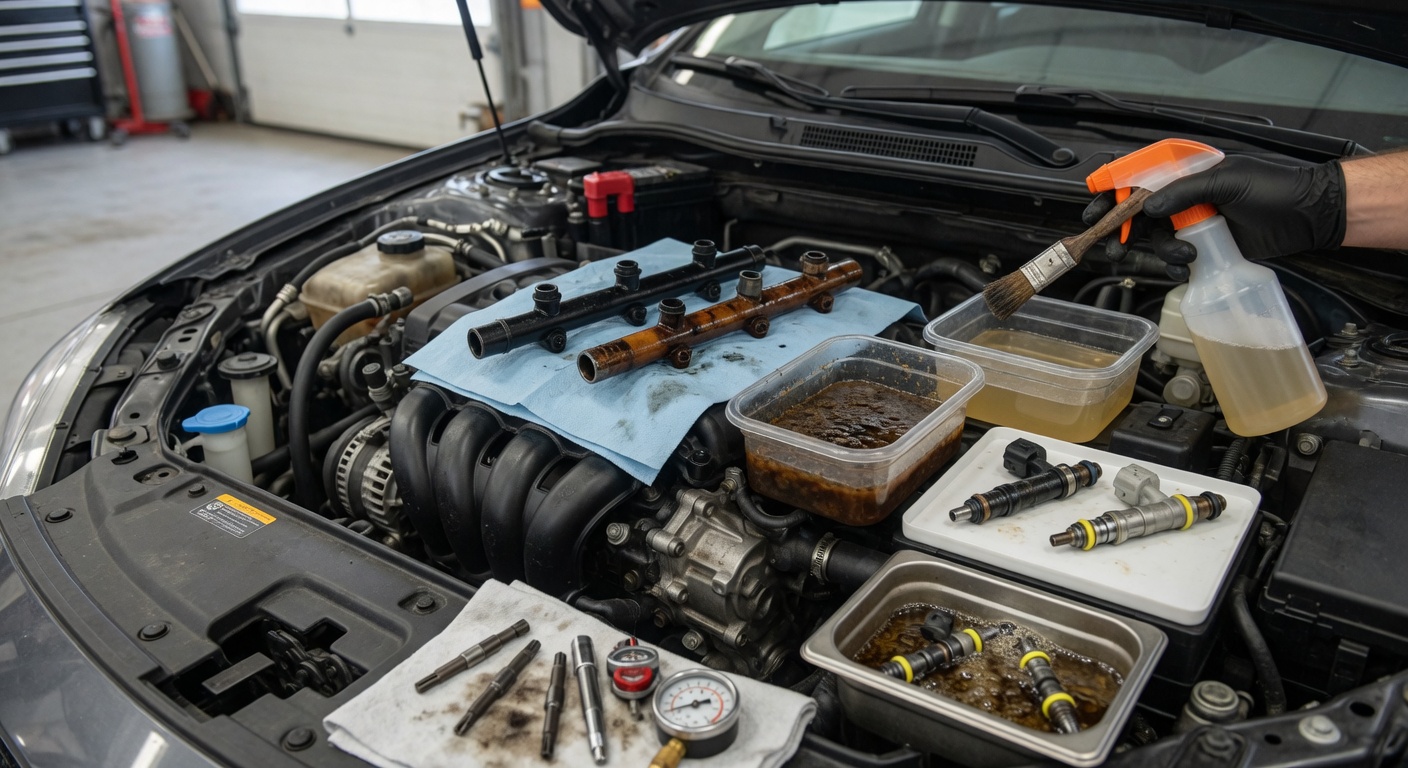
Oil changes and rotating tires are just the beginning of car maintenance. Fuel system cleaning is a maintenance service that is frequently overlooked and helps clear carbon deposits, dirt, and other contaminants from fuel system components such as intake valves, fuel lines, and fuel injectors. These deposits can, over time, disrupt proper fuel delivery and combustion, resulting in rough idling, slow acceleration, poor fuel economy, and decreased engine performance. Fuel system cleaning will restore efficiency, drivability, and contribute to the longevity of the engine.
Clean fuel pathways are more essential now than ever in modern vehicles, which depend on precise fuel delivery systems. Fuel system cleaning can be valuable not only for efficient combustion but also for eliminating excessive wear on engine parts and avoiding expensive repairs due to clogged injectors or carbon buildup. Periodic cleaning is part of many manufacturers’ recommendations for preventive maintenance, particularly for vehicles that are driven in stop-and-go traffic, carry heavy loads, or drive on lower-quality fuel. Fuel system cleaning can be part of a general maintenance program, which, when combined with correct fueling procedures and the recommended maintenance schedules, can help to keep vehicles running smoother, more fuel-efficient, and longer.
Signs That The Fuel System Should Be Cleaned
The first sign of a performance loss could be that the fuel system is contaminated and needs cleaning. The car might stall on starting, or when accelerating, it might misfire or fail to start. Typically, a failure of ignition is attributed to carbon deposits and contaminants that build up in the fuel lines and fuel injectors, which prevent fuel from flowing correctly and undermine combustion efficiency.
Some other signs to look out for include:
Reduced fuel efficiency
Strong fuel odors
Unusual engine noises
Check Engine Light – Glowing is a problem
These symptoms may be treatable by a professional fuel system cleaning that could enhance performance, drivability, and prevent further engine problems. The buildup of harmful deposits can be hastened by poor fuel quality and irregular maintenance.
Moisture, dirt, or debris can also contaminate the fuel system if the seals leak or fuel tanks are contaminated. Over time, these contaminants can cause the injectors and make the engine less efficient. A judicious choice of fuel and a regular maintenance regimen can help prevent accumulation and maintain a good fuel system.
Fuel Injectors Influence Engine Performance in Several Ways
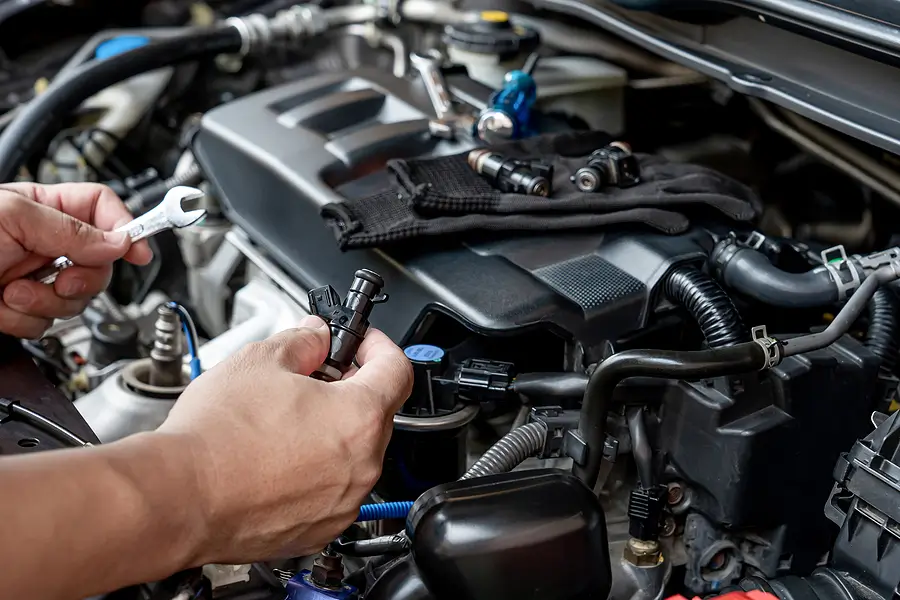
The fuel injectors help dispense the right amount of fuel into the engine for combustion. The timing of fuel injection in modern engines is critical for ensuring smooth acceleration, fuel efficiency, and consistent power delivery. Dirty or partially clogged injectors may cause uneven fuel sprays and affect the engine’s performance.
Dirty injectors can cause:
Rough idling
Poor throttle response
Reduced engine power
The engine lurches or misfires
Periodic fuel system cleaning allows fuel to flow through the fuel system and through the fuel injectors properly, which will help the fuel system to operate more efficiently.
Regular Fuel System Cleaning Offers Several Advantages
Owners of different vehicles will find several advantages in regular cleaning of the fuel system. There are several benefits, including enhanced engine performance. Clean injectors and fuel lines improve the smoothness of acceleration, idle stability, and quick engine response. Drivers can also experience better fuel efficiency because the engine uses fuel more efficiently.
Other advantages may be:
Reduced carbon buildup
The lifespan of engine components is increased
Reduce the potential for costly repairs
Improved overall drivability
Preventive maintenance services, such as fuel system cleaning, can extend the service life and reliability of vehicles.
The Difference Between DIY and Professional Fuel System Cleaning
Fuel additives are used by many vehicle owners as a do-it-yourself means to clean fuel systems. They can help remove minor deposits and may aid in preventive maintenance, but they are not as effective for heavy carbon deposits. Most of the time, do-it-yourself cleaners are not thorough and do not complete the cleaning of critical fuel system parts.
Cleaning services for your fuel system are more powerful and use specialized equipment to remove stubborn deposits throughout the fuel system. Technicians can clean fuel injectors, intake valves, and throttle bodies in depth to ensure they are working optimally. For professional services, improvements in performance and fuel economy are more immediate and apparent.
Why Fuel System Cleaning is a Good Way to Increase Fuel Efficiency
A clean fuel system enables engines to use fuel more effectively and can enhance overall fuel economy. Carbon deposits can choke fuel injectors, causing an irregular fuel flow to the engine. This can cause the engine to run with a higher fuel temperature than needed, resulting in higher operating costs.
Fuel system cleaners are effective at restoring the correct spray pattern and fuel flow for the injectors, thus enabling the fuel to burn more efficiently. This means drivers can have increased fuel efficiency, improved engine performance, and less frequent visits to the petrol pump. Another benefit of keeping the fuel system clean is that it helps prevent more fuel pump strain in the long run.
Correct and Regular Maintenance to Prevent Engine Problems
One of the best ways to avoid fuel-related engine issues is to perform regular maintenance. Fuel system cleaning, oil change, and air filter replacement are all services that help to eliminate wear on engine parts and to maintain good performance. If a vehicle isn’t well-maintained, there is potential for carbon deposits and contaminants to build up, causing more serious mechanical problems.
There are advantages to preventive maintenance:
Minimize the risk of the engine stalling out
Improve engine reliability
Extend vehicle lifespan
Minimize long-term repair costs
Following the manufacturer’s recommended service intervals can help drivers avoid sudden breakdowns and ensure safe and reliable operation.
Maintain Your Engine: Engine Preventive Maintenance
One of the most important factors in reliability and in preventing unscheduled engine downtime is proactively providing preventive care. Regularly servicing items such as oil changes, fuel system filter changes, and other items helps prevent buildup and allows the engine parts to work efficiently. When maintenance is not performed, fuel delivery systems can become contaminated by the introduction of carbon deposits and contaminants, causing performance problems.
This helps to make the fuel flow more optimal, resulting in smoother acceleration, better fuel economy, and a more responsive engine. Sometimes, it can also be possible to identify little issues before they grow into substantial repairs. With a maintenance program, you will get the most out of your vehicle and ensure that it will continue to operate for years to come.