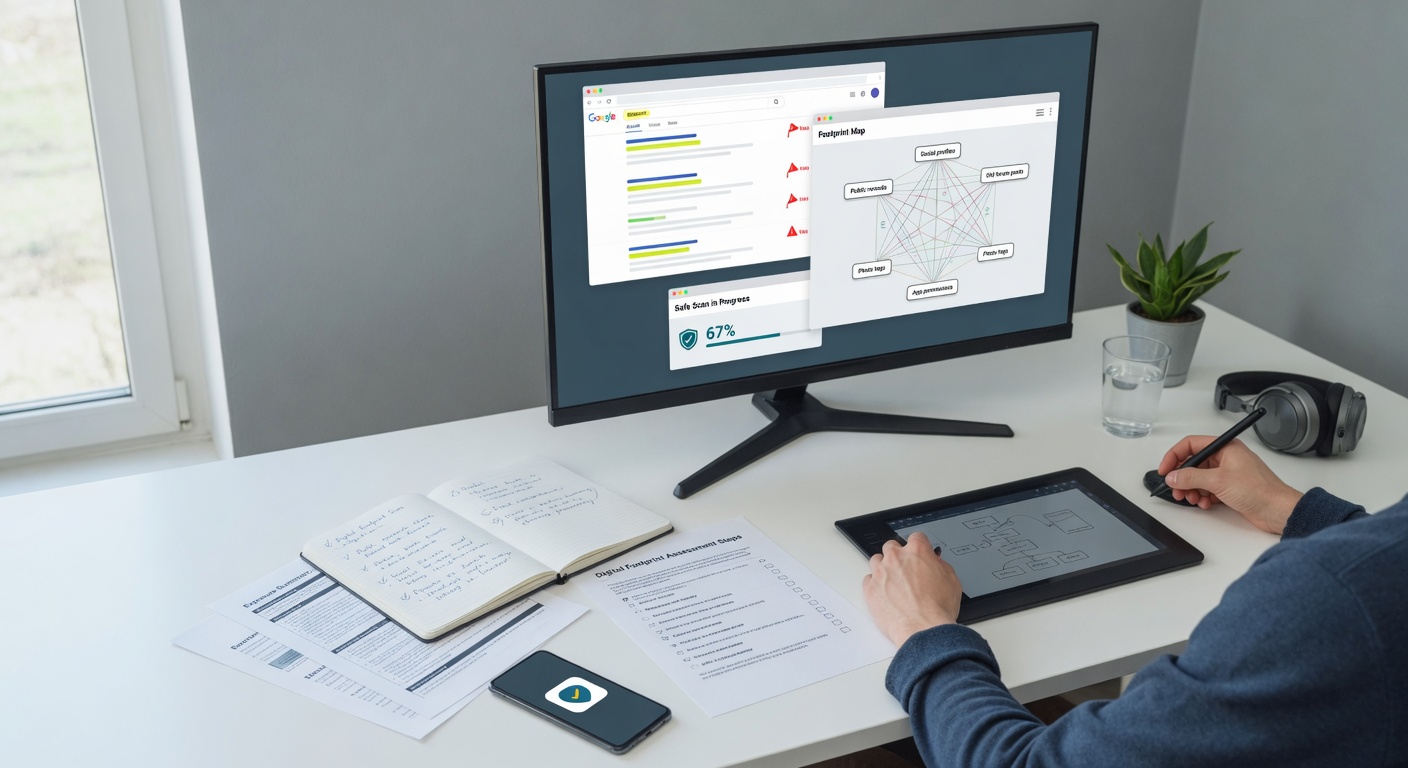
Think of it as casing your own joint. A digital footprint assessment systematically scrapes the internet for public data to measure your exact exposure to a cyberattack. It reveals the identical attack surface the syndicates are looking at right now. Unsecured ports. Stolen passwords. Orphaned subdomains your IT team forgot about three years ago.
Your organization is already being assessed. Automated scanners scrape your perimeter constantly. Threat actors catalog your employees’ social media profiles, cross-referencing job titles with active directories. This isn’t theoretical. It happens every second. If you aren’t conducting your own aggressive assessments, you are operating blind.
The Reality of OSINT
Most network breaches do not start with a zero-day exploit. They start with a Google search.
Attackers exploit human psychology and public data. They rely on the fact that your executives post their conference schedules on LinkedIn. They buy compiled credential dumps from dark web forums. The global cost of cybercrime is projected to reach $10.5 trillion annually by 2025. That number isn’t driven by nation-state actors burning million-dollar exploits on small businesses. It is driven by automated, industrialized scraping and social engineering.
Data brokers aggregate this information. Shadow IT expands the attack surface. An employee signs up for a free project management tool using their corporate email. That tool gets breached. The password is the same one they use for the corporate VPN. The attackers walk right in.
How Do Threat Actors Execute Business Email Compromise?
Business Email Compromise schemes are highly sophisticated fraudulent operations. They don’t bother hacking your firewalls. They hack your payroll clerk. Perpetrators spoof a corporate executive or hijack a trusted vendor’s email thread. The directive is always the same. Wire this money immediately. Keep it quiet.
It works. The financial bleed is catastrophic. In the United States alone, Business Email Compromise drained $50 billion. This figure only represents reported incidents. Many organizations eat the loss quietly to avoid reputational damage.
These actors exhibit remarkable adaptability. They operate in organized cohorts. Some rely on localized, street-level deception. Others—highly educated digital syndicates—use malware and advanced routing to mask their origins. They do not brute-force your firewalls. They ask your finance department to send them the money directly.
They map organizational hierarchies. They learn the tone and cadence of the CEO’s writing style from public interviews. They wait for a Friday afternoon when the target is tired and rushing to close out the week. Then, they send the invoice.
What Identity Verification Tools Actually Work?
You cannot rely on instinct. You need verifiable data.
When your finance team receives an urgent wire request from a vendor they haven’t spoken to in six months, they need a standardized procedure to verify the sender’s identity. Training them on phishing attack prevention is the baseline. Giving them practical, immediate tools is the execution.
If the email originates from a slightly misspelled domain—a classic homograph attack—the red flags should go up instantly. Running a reverse email lookup provides immediate context on the sender’s domain registration history and associated public footprints. It cuts through the deception. You see exactly when the email address was created and whether it ties back to known legitimate infrastructure or a burner account registered yesterday.
You must also secure the network infrastructure itself. Understanding DNS spoofing is mandatory for any network admin dealing with identity verification. If the attacker poisons the DNS cache, your employees are redirected to fraudulent sites even when they type the correct URL. The connection looks secure. The SSL certificate is valid. The money still goes to the attacker.
Why is Internal Network Blindness Dangerous?
Organizations focus heavily on the perimeter. Firewalls. Intrusion Detection Systems. Endpoint Detection and Response.
They fail to monitor internal traffic. Once an attacker bypasses the perimeter—usually through compromised credentials obtained via OSINT—they move laterally. They dwell in the network for months. They escalate privileges. They identify the crown jewels.
Let’s kill the flat network. It’s a death trap.
You stop attackers from walking right past the lobby by enforcing rigid network security protocols. Isolate the marketing department’s hardware from the servers holding your payroll data. If an intern clicks a payload, the blast radius needs to hit a concrete wall of segmentation. Zero trust isn’t a buzzword. Deny access by default.
Ignorance comes with a massive invoice. Blind spots in your internal traffic will completely gut your profit margins. We aren’t just talking about IT overtime. The global average cost of a data breach in 2024 reached $4.48 million. That covers the compliance penalties, the class-action lawsuits, and the total, unrecoverable paralysis of your sales pipeline.
Who Exactly Are You Giving Network Access To?
You patched your servers. You segmented your internal traffic. You forced multi-factor authentication down the throats of your C-suite. None of it matters.
You handed the master keys to a third-party marketing SaaS vendor.
Supply chain attacks bypass your perimeter completely. Threat actors do not bother fighting your expensive endpoint detection software anymore. Why should they? They target the path of least resistance. They compromise the mid-sized legal firm processing your contracts. They breach the billing software your finance team integrated last quarter. They ride the trusted, whitelisted connection between that vendor and your internal databases to stroll right past the firewall.
Look at the history of major corporate breaches. They constantly originate from forgotten vendors. Attackers poison routine software updates. They harvest API tokens left sitting in public GitHub repositories by careless third-party developers.
SOC 2 compliance questionnaires are a joke. Vendors check boxes. They claim they run annual penetration tests. They insist their data hygiene is pristine. It is almost always a fiction written by their sales enablement team. Trusting a self-attestation form from a vendor is a massive dereliction of duty. You have to verify the operational reality of the entities holding your data.
Start treating vendor vetting like hostile reconnaissance. If a new partner demands API access to your customer records, tear into their background. Look at the corporate structure. Watch out for high executive turnover or principals with a history of shuttering entities right after catastrophic operational failures.
Financial instability breeds security negligence. When a vendor is bleeding cash, the IT security budget is the absolute first casualty. Firewalls go unmonitored. Software licenses expire. Unpatched vulnerabilities sit exposed for months because they laid off their engineering team. Broke organizations do not protect your data.
The legal trail tells a clearer story. Dig into past litigation. Negligence lawsuits, data mishandling claims, and contract disputes stemming from broken SLAs are massive red flags. If they have a documented history of cutting corners with other partners, they are going to cut corners with your proprietary information.
You absorb their entire risk profile. The exact second you integrate their software, their vulnerabilities become yours.
How Do You Actually Harden the Human Firewall?
Operate under compromise: Your perimeter is already breached. Build your incident response around active, breathing threats. Not theoretical whitepaper scenarios.
Kill email authorizations: Never approve wire transfers based on an email thread. Force a physical phone call to a pre-approved number.
Scrape the dark web: Your corporate credentials are in breached databases right now. Hunt them down. Trigger mandatory password resets the second they surface.
Deploy red teams: Pay professionals to break your defenses using open-source intelligence. Expose the structural flaws before a cartel does it.