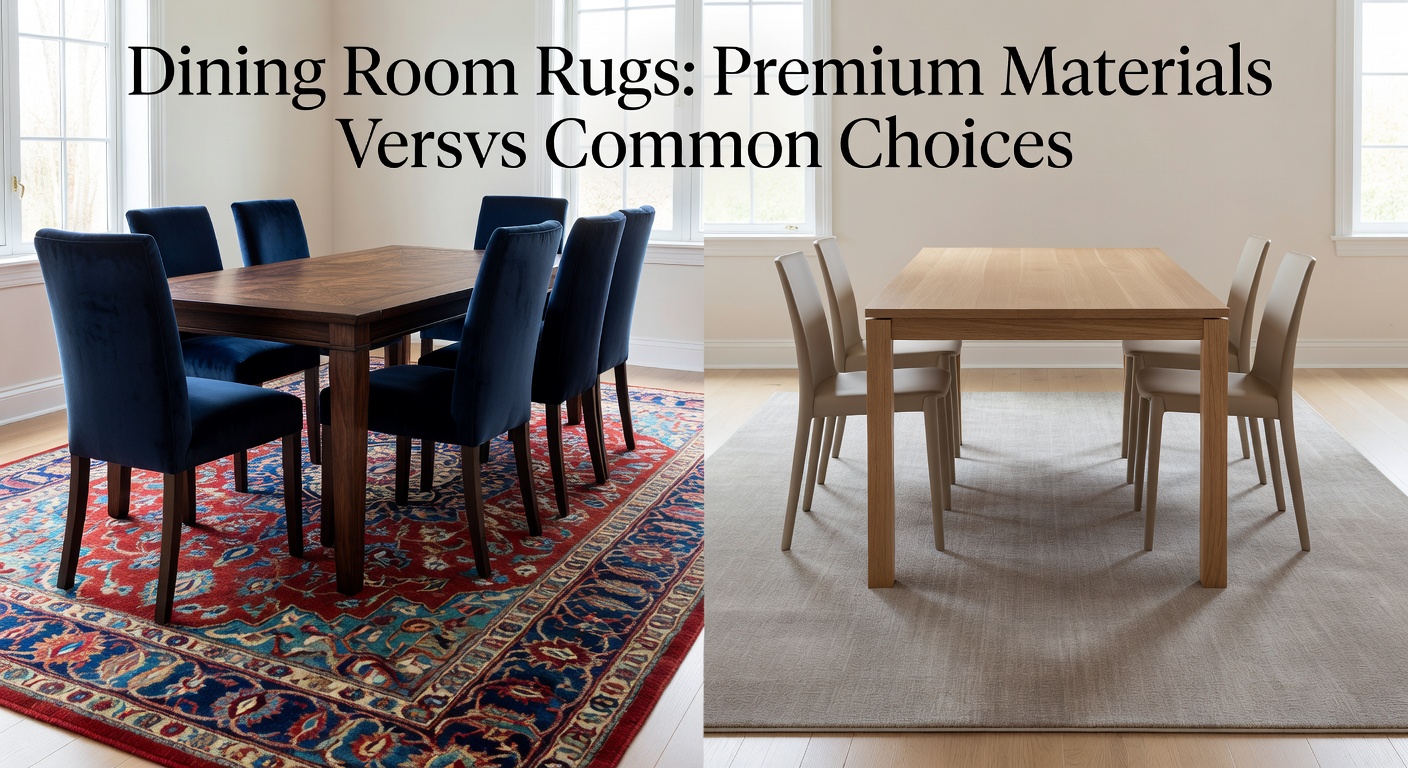
A dining room rug does far more than fill empty floor space — it anchors the entire room, defines the dining zone, and sets the tone for every meal shared around the table. For interior designers, selecting the right rug is one of the most consequential decisions in a project, balancing client lifestyle, aesthetic vision, and long-term practicality in a single choice.
The central challenge? Knowing when to invest in premium materials and when common alternatives deliver equal satisfaction. Wool, silk, and natural fiber rugs promise durability and luxury, while synthetic and cotton options offer accessibility and easy maintenance. Each path has genuine merit depending on the context, and choosing blindly can mean costly mistakes or disappointed clients.
This guide cuts through the confusion with a thorough comparison of premium versus common dining room rug materials, examining their real-world performance, aesthetic impact, and maintenance demands. You’ll also find practical sourcing advice, including how to access wide selections with conveniences like free shipping. Whether you’re furnishing a formal estate dining room or a busy family kitchen-diner, the insights ahead will sharpen your decision-making from the first client consultation to the final rug placement.
The Essential Role of Area Rugs in Dining Room Design
Few design elements carry as much functional and visual weight as a well-chosen dining room rug. Positioned beneath the table and chairs, it immediately draws the eye, establishes the room’s color palette, and signals the overall design intent — whether that’s relaxed farmhouse warmth or polished contemporary elegance. For interior designers, the rug is rarely an afterthought; it’s often the anchor around which furniture, lighting, and wall treatments are coordinated.
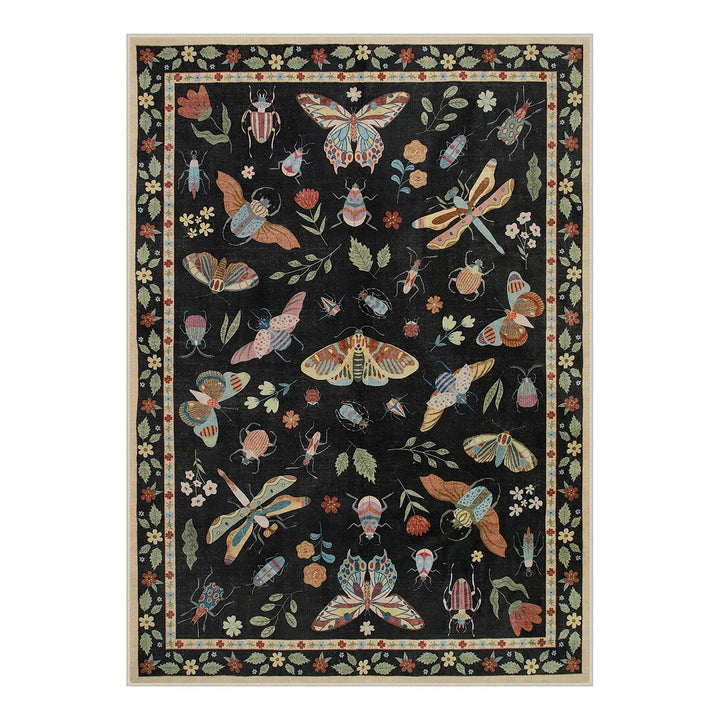
Beyond aesthetics, dining room rugs serve genuinely practical purposes. Hard flooring — whether hardwood, tile, or stone — can suffer scratches and scuffs from repeated chair movement. A quality rug absorbs that daily wear, preserving the floor beneath. Acoustically, rugs dampen the clatter of cutlery and conversation echo that hard surfaces amplify, creating a more comfortable dining atmosphere. They also provide subtle underfoot warmth during extended meals.
For designers working on client projects, the rug choice directly influences how cohesive the finished dining room feels. A mismatched material or poorly scaled rug can fragment an otherwise well-executed space. Conversely, the right selection ties every element together, making the room feel intentional and complete. Understanding material options is therefore not just a sourcing exercise — it’s a core design competency that shapes client satisfaction and the long-term livability of every dining space you create.
Premium Materials for Dining Room Rugs: A Deep Dive
When clients invest in a dining room renovation, the rug often represents the single most tactile expression of quality in the space. Premium materials — wool, silk, jute, and high-end blends — earn their higher price points through superior longevity, richer texture, and aesthetic depth that synthetic alternatives rarely replicate convincingly. For interior designers, understanding what each material genuinely delivers helps translate client budgets into lasting satisfaction rather than short-term appeal.
Wool Rugs: Natural Resilience and Comfort
Wool remains the gold standard for dining room rugs precisely because it performs where it matters most. Its natural lanolin coating creates an inherent resistance to spills — liquids bead on the surface long enough for quick cleanup rather than immediate absorption. Dense wool pile springs back under repeated chair pressure, resisting the crushing that plagues lesser materials in high-traffic dining areas. For maintenance, regular vacuuming and prompt blotting of spills keep wool rugs looking fresh for decades. Hand-knotted wool options also develop a desirable patina over time, adding character rather than showing wear.
Silk and Silk-Blend Rugs: Luxurious Sheen and Elegance
Silk rugs bring an unmistakable luminosity to formal dining rooms — their fibers catch and reflect light in ways that shift the room’s atmosphere from day to evening. Pure silk, however, demands careful placement; it suits low-traffic formal dining spaces rather than busy family rooms. Silk-blend rugs, typically woven with wool or bamboo silk, offer a practical compromise — preserving much of the visual elegance while adding durability underfoot. Professional cleaning is strongly recommended, as silk fibers are sensitive to moisture and harsh chemicals.
Other Premium Fibers: Jute, Sisal, and Custom Blends
Jute and sisal introduce organic texture that complements coastal, farmhouse, and transitional dining interiors exceptionally well. Jute’s softer hand makes it more comfortable underfoot than sisal, though neither handles moisture as gracefully as wool. Their real advantage lies in visual warmth and natural authenticity — qualities increasingly sought in contemporary design. Custom high-end blends, such as wool-silk or wool-viscose combinations, allow designers to specify rugs that balance durability with refined aesthetics, often with customizable sizing that suits non-standard dining room layouts.
Common Materials for Dining Room Rugs: Practical and Affordable Options
Not every dining room project calls for a premium investment, and experienced designers know that common materials often outperform expectations when matched to the right context. Synthetic fibers and cotton rugs have evolved considerably — today’s options offer genuine durability, broad design variety, and maintenance simplicity that make them legitimate choices rather than mere budget compromises. For family dining rooms, rental properties, or clients who prioritize easy upkeep over tactile luxury, these materials frequently deliver the highest overall satisfaction.
Synthetic Fibers: Durability and Stain Resistance
Polypropylene and nylon lead the synthetic category for good reason. Polypropylene is inherently stain-resistant — spills sit on the surface rather than penetrating the fiber — making it exceptionally well-suited to dining rooms where food and drink mishaps are inevitable. Nylon adds superior abrasion resistance, holding up under heavy chair traffic without matting or pilling. Both materials are available in an extensive range of colors, patterns, and pile heights, allowing designers to achieve almost any aesthetic at a fraction of premium material costs. Retailers like Lahome carry a broad range of polypropylene and nylon dining rugs across varied styles, making it straightforward to find options that align with a project’s design direction without exceeding budget. Cleaning typically requires nothing more than mild soap and water.
Cotton and Other Natural Common Choices
Cotton rugs bring a relaxed, casual quality that suits informal dining spaces, breakfast nooks, and kitchen-adjacent dining areas particularly well. Their most practical advantage is washability — many flat-weave cotton rugs can go directly into a home washing machine, an appealing feature for clients with young children. The tradeoff is durability; cotton compresses and shows wear faster than wool or synthetics under heavy chair use. Low-pile wool blends and bamboo fiber rugs occupy a middle ground, offering slightly better longevity while remaining more accessible in price than full premium options.
Premium Versus Common: A Detailed Comparison for Dining Rooms
Choosing between premium and common rug materials ultimately comes down to five practical criteria: cost, longevity, maintenance, aesthetic impact, and style compatibility. Wool and silk command higher upfront investment but reward that cost with decades of use, deepening character over time. Synthetics and cotton cost significantly less initially, though they typically require replacement sooner under heavy dining room traffic — a factor that narrows the long-term price gap more than clients often expect.
Maintenance separates these categories most sharply in dining room contexts. Polypropylene and cotton handle spills with minimal effort, often requiring just a damp cloth or machine wash. Wool manages most everyday mishaps gracefully but benefits from periodic professional care. Silk demands the most attention, making it a poor fit for households with children or frequent entertaining. On aesthetics, premium materials consistently deliver richer texture, greater depth, and a presence that photographs and ages beautifully — qualities that matter enormously in high-end client projects. Synthetics have closed the visual gap considerably, particularly in pattern and color range, but rarely replicate the tactile warmth of natural fibers. For designers, the practical framework is straightforward: formal dining rooms with moderate traffic favor wool or silk blends; busy family dining spaces are better served by polypropylene or durable cotton flat-weaves that keep maintenance stress low without sacrificing style.
How to Choose and Source the Perfect Area Rugs for Dining Room
Selecting the right dining room rug requires more than aesthetic intuition — it demands a structured approach that accounts for how the room actually functions, what the client genuinely needs, and where to find quality options efficiently. The following steps give interior designers a reliable framework for moving from initial consultation to confident sourcing.
Step 1: Assess Client Needs and Dining Room Dynamics
Begin by mapping the room’s specifics: dimensions, existing flooring, traffic volume, and how the space is used daily. A formal dining room hosting occasional dinner parties has fundamentally different requirements than a family kitchen-diner in constant use. Factor in whether children or pets are present, the client’s tolerance for maintenance, and the overall design direction. These answers immediately narrow material choices before budget even enters the conversation.
Step 2: Balance Quality and Budget with Material Insights
Rather than defaulting to the cheapest or most expensive option, position material selection as a long-term value calculation. A quality wool rug may cost three times a polypropylene alternative upfront but outlast it by fifteen years under comparable conditions — a compelling argument for budget-conscious clients who plan to stay in their home. For clients with shorter timelines or rental properties, durable synthetics deliver genuine value without unnecessary investment. Mixing approaches across a project — premium rugs in formal spaces, practical synthetics elsewhere — often produces the best overall outcome.
Step 3: Sourcing Premium Area Rugs with Benefits like Free Shipping
Online rug retailers have become the most efficient sourcing channel for interior designers, offering far broader selections than most local showrooms. Look for platforms that carry both premium and common materials under one roof, include detailed fiber specifications, and offer free shipping — a meaningful cost consideration when shipping large rugs. Lahome, for instance, offers a wide selection spanning multiple materials and styles with free shipping, making it a practical starting point when comparing options across a project’s full scope. Prioritize suppliers who provide customization options for non-standard dining room dimensions and clear return policies. Reading verified reviews specific to dining room use cases adds another layer of confidence before committing to a final selection.
Matching Materials to Dining Rooms for Lasting Results
Material selection is one of the most consequential choices in any dining room project, and the premium versus common debate rarely has a single right answer. Wool delivers unmatched longevity and natural elegance for formal or high-investment spaces. Silk and silk blends elevate occasional-use dining rooms with luminous sophistication. Synthetics like polypropylene and nylon bring reliable, low-maintenance performance to busy family environments. Cotton flat-weaves offer washable simplicity for casual settings. Each material earns its place when matched thoughtfully to how the room actually lives.
For interior designers, the real skill lies not in defaulting to the most expensive option, but in reading client needs accurately and translating material knowledge into lasting satisfaction. A well-chosen common rug in the right context outperforms a misapplied premium one every time. Conversely, investing in quality wool for a formal dining room pays dividends in both aesthetics and durability that clients notice for years.
As rug manufacturing continues to advance, the line between premium and common is shifting — synthetic textures are improving, and sustainable natural blends are expanding the mid-range. Staying current with these developments, sourcing from retailers with broad selections and reliable delivery options, and applying the structured decision framework outlined here will keep your dining room recommendations sharp, confident, and genuinely client-centered.